
Beautiful Plants For Your Interior
Beautiful Plants For Your Interior
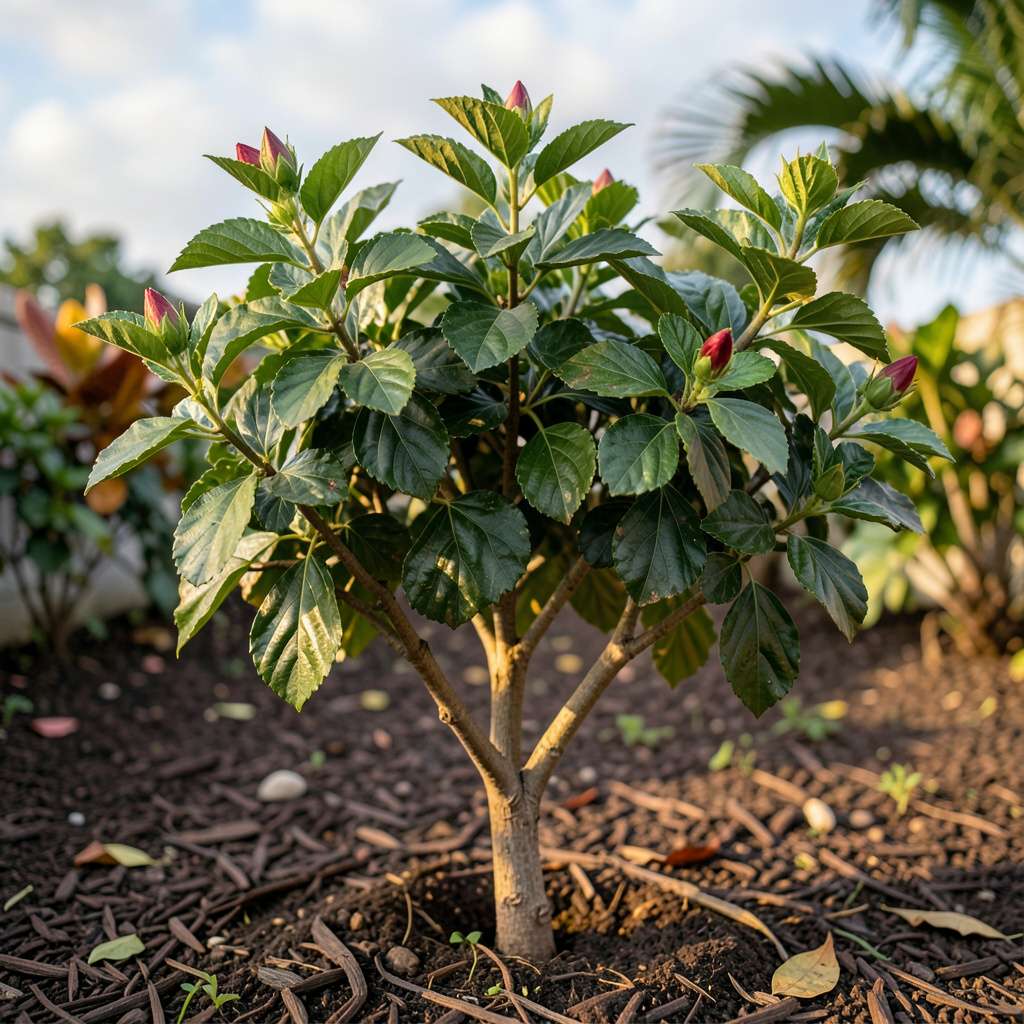
Hibiscus plants may fail to bloom due to insufficient sunlight, improper watering, lack of nutrients, or incorrect pruning. Adjust care routines to address these factors for flowering.
Understanding why my hibiscus plants aren’t blooming can be quite revealing. 🌼 Often, factors like inadequate light or nutrient imbalances play a major role in preventing flowers. It’s essential to remember that these plants thrive in bright conditions and benefit from regular feeding during the growing season. Plus, knowing the right pruning techniques can make a huge difference in encouraging those vibrant blooms. Taking a closer look at these elements can lead to a thriving, flowering garden.
💡 In This Article
The blooming cycle of hibiscus plants hinges on several key environmental and care factors. Insufficient sunlight is a primary culprit; these plants thrive in direct sunlight for at least 6-8 hours daily. Without adequate light, hibiscus can become leggy and fail to produce flowers. 🌞
Another critical aspect is soil pH. Hibiscus prefer slightly acidic to neutral soils, ideally within a range of 6.0 to 7.0. A soil pH that is too high or low can hinder nutrient uptake, leading to poor health and a lack of blooms. Regular soil testing can help maintain this balance. 🔍
Nutrient imbalances also play a significant role. Hibiscus require a well-balanced fertilizer during the growing season, typically something like a 10-10-10 NPK ratio. If the soil lacks essential nutrients like phosphorus, which promotes flowering, you may notice fewer blooms. Feeding your plants every 4-6 weeks with a suitable fertilizer can make a big difference. 🌱
Seasonal dormancy is another factor that impacts blooming. Many hibiscus varieties naturally go dormant in colder months, conserving energy. During this time, it’s crucial to reduce watering and refrain from fertilizing until growth resumes in the spring. Understanding this cycle helps manage expectations for flowering periods. 🌍
Finally, incorrect pruning can also deter flowering. Pruning should occur in late winter or early spring before new growth begins. Removing too many branches or cutting at the wrong time can prevent blooms from forming on new growth, which is vital for flower production. ⚒️
