
Beautiful Plants For Your Interior
Beautiful Plants For Your Interior
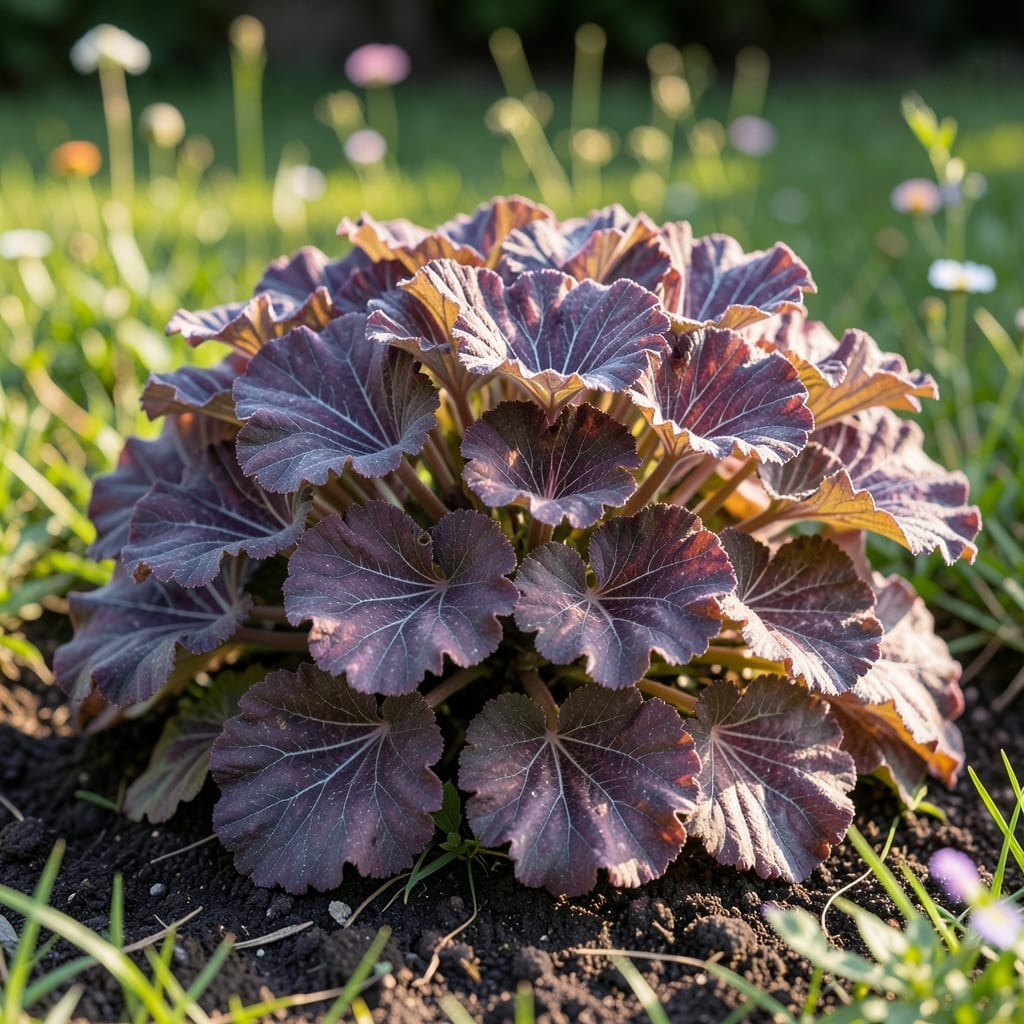
Heuchera, with its stunning foliage in shades of purple, lime, and silver, can thrive in various light conditions. But get it wrong, and you might end up with scorched leaves or weak growth.
I’ve seen many gardeners struggle to find the perfect balance for this versatile plant. The good news? A few simple adjustments can make all the difference.
Whether you’re working with full sun, partial shade, or deep shade, understanding Heuchera’s needs is the key to vibrant, healthy plants. Let’s break it down so you can grow with confidence.
From variety-specific tips to regional considerations, I’ll guide you through everything you need to know to get it right.
 Best Window Placement
I’ve found that heuchera thrives best with 4-6 hours of sunlight daily, but its tolerance varies by cultivar. Some varieties handle full morning sun well, while others prefer dappled shade to prevent leaf scorch.
In my experience, dark-leaved heucheras like ‘Palace Purple’ often need more shade to maintain their rich color. Meanwhile, lime-green varieties such as ‘Lime Rickey’ can handle brighter conditions.
| Light Requirement | Specification |
| Ideal Daily Sun | 4-6 hours |
| Best Sun Type | Morning sun |
| Shade Tolerance | Full to partial |
| Sun-Sensitive Varieties | Dark foliage types |
Watch for sun stress signs like brown leaf edges or faded colors. If you notice these, it’s time to move your heuchera to a shadier spot or add afternoon shade with a shade cloth.
I recommend acclimating heuchera gradually to stronger light. Start with 2-3 hours of sun and increase by 30 minutes weekly. This prevents shock and helps the plant adjust naturally.
In hotter climates like USDA zones 8-9, even sun-tolerant heucheras benefit from afternoon shade. I’ve seen ‘Caramel’ and ‘Peachberry Ice’ thrive in these conditions with protection from intense midday rays.
For container-grown heuchera, I suggest placing pots where they get east-facing sun. This provides gentle morning light without the harsh afternoon heat that can stress the plants.
Mulching around the base helps retain moisture and cool roots in sunnier spots. I use 2-3 inches of organic mulch like shredded bark for best results.
If you’re in cooler zones like 4-6, your heuchera can handle more sun. I’ve successfully grown ‘Plum Pudding’ in full sun in these areas with consistent watering.
Remember, foliage color often indicates light needs. Silver or chartreuse varieties typically need more light to maintain vibrancy, while deep purples prefer shadier conditions. 🌿
I’ve found that heuchera thrives best in partial to full shade, especially in hotter climates. Too much sun can scorch its delicate leaves, but the right shade keeps foliage vibrant and lush. Dappled light under trees works wonderfully for most varieties.
For optimal color retention, I recommend morning sun with afternoon shade. North-facing walls or east-side plantings are ideal spots. Containers can also be moved to follow the best light conditions throughout the day.
In my experience, ‘Palace Purple’ and ‘Obsidian’ varieties show their deepest colors in shadier spots. The less direct sun they get, the more intense their foliage becomes, though growth may be slightly slower.
If you’re growing heuchera in deep shade, watch for leggy growth. This signals the plant is stretching for light. A simple fix is to trim back and relocate to a spot with slightly more light.
For container-grown heuchera, I suggest rotating pots quarterly to ensure even growth. This prevents one side from becoming too light-starved while the other gets too much exposure.
Remember that soil moisture is crucial in shade. These plants need well-draining soil to prevent root rot, even when they’re not getting full sun.
🌿