
Beautiful Plants For Your Interior
Beautiful Plants For Your Interior
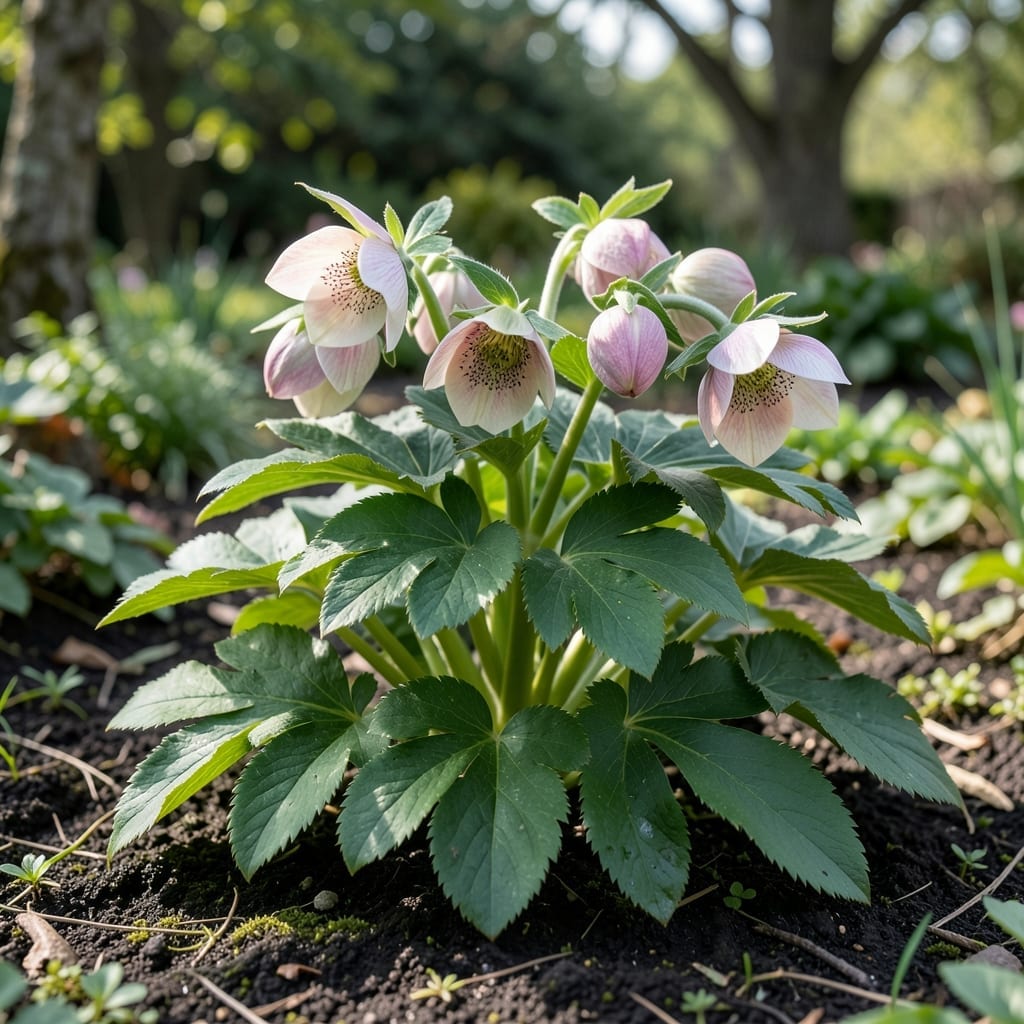
If you’ve ever admired the beautiful winter blooms of the 🌸 Hellebore, you know these resilient plants brighten gardens when little else does. But their light needs often leave gardeners guessing.
I’ve learned through experience that getting the balance right is the key to vibrant, long-lasting flowers. Whether your garden gets full sun or deep shade, there’s a perfect spot for these hardy perennials.
Discover how to create the ideal conditions for your Hellebore to thrive, no matter your outdoor space. The solution might be simpler than you think.
 Best Window Placement
I’ve found that Helleborus niger thrives in partial shade, especially in warmer climates. This variety, known as the Christmas rose, prefers morning sun with afternoon protection to prevent leaf scorch.
On the other hand, Helleborus orientalis is more adaptable, tolerating full shade to dappled sunlight. Its blooms last longer when shielded from harsh afternoon rays.
| Variety | Ideal Light | Tolerance |
|---|---|---|
| Helleborus niger | Partial shade | Morning sun, afternoon shade |
| Helleborus orientalis | Dappled sunlight | Full shade to partial sun |
| Helleborus foetidus | Full shade | Deep woodlands |
For gardeners in cooler climates, Helleborus niger can handle more sun, up to 6 hours daily. The key is ensuring the soil stays moist but well-drained.
In hotter regions, even shade-loving varieties like Helleborus foetidus benefit from protection during peak heat. I always recommend mulching to retain moisture.
Seasonal changes matter too. In winter, most hellebores appreciate more sunlight to fuel their early blooms. As spring arrives, shifting to partial shade prevents stress.
If you’re planting under trees, dappled light works beautifully for most species. Just ensure they’re not competing with aggressive roots for nutrients and water.
For container gardening, an east-facing balcony provides the perfect 2-4 hours of morning sun. This mimics their natural woodland habitat.
Remember, newly planted hellebores need extra care. I water mine deeply once a week until established, adjusting for rainfall and temperature.
Finally, observe your plants. Yellowing leaves often signal too much sun, while leggy growth suggests they’re seeking more light. Adjust accordingly for healthier, happier hellebores.
With the right balance, your hellebores will reward you with stunning winter blooms and lush foliage all year round 🌸
I’ve discovered that strategic placement makes all the difference with hellebores. These plants thrive when you mimic their natural woodland habitat, which means dappled light or gentle morning sun.
One of my favorite tricks is companion planting with taller perennials that provide light shade during the hottest part of the day. This works especially well in southern gardens where the sun is intense.
In my experience, mulching with organic matter helps maintain consistent soil moisture, which is crucial when hellebores are in sunnier locations. A 2-3 inch layer of compost works wonders.
For gardeners with limited shade, I recommend planting hellebores where they’ll get protection from buildings or fences during the afternoon. This creates a microclimate that suits them perfectly.
If you’re growing hellebores in containers, remember that pots dry out faster. I move mine to shadier spots during heatwaves to prevent stress. Consistent moisture is key.
Finally, don’t forget to observe your plants throughout the seasons. If leaves appear bleached or crispy, it’s time to provide more shade. With these adjustments, your hellebores will reward you with vibrant blooms for years to come 🌸