
Beautiful Plants For Your Interior
Beautiful Plants For Your Interior
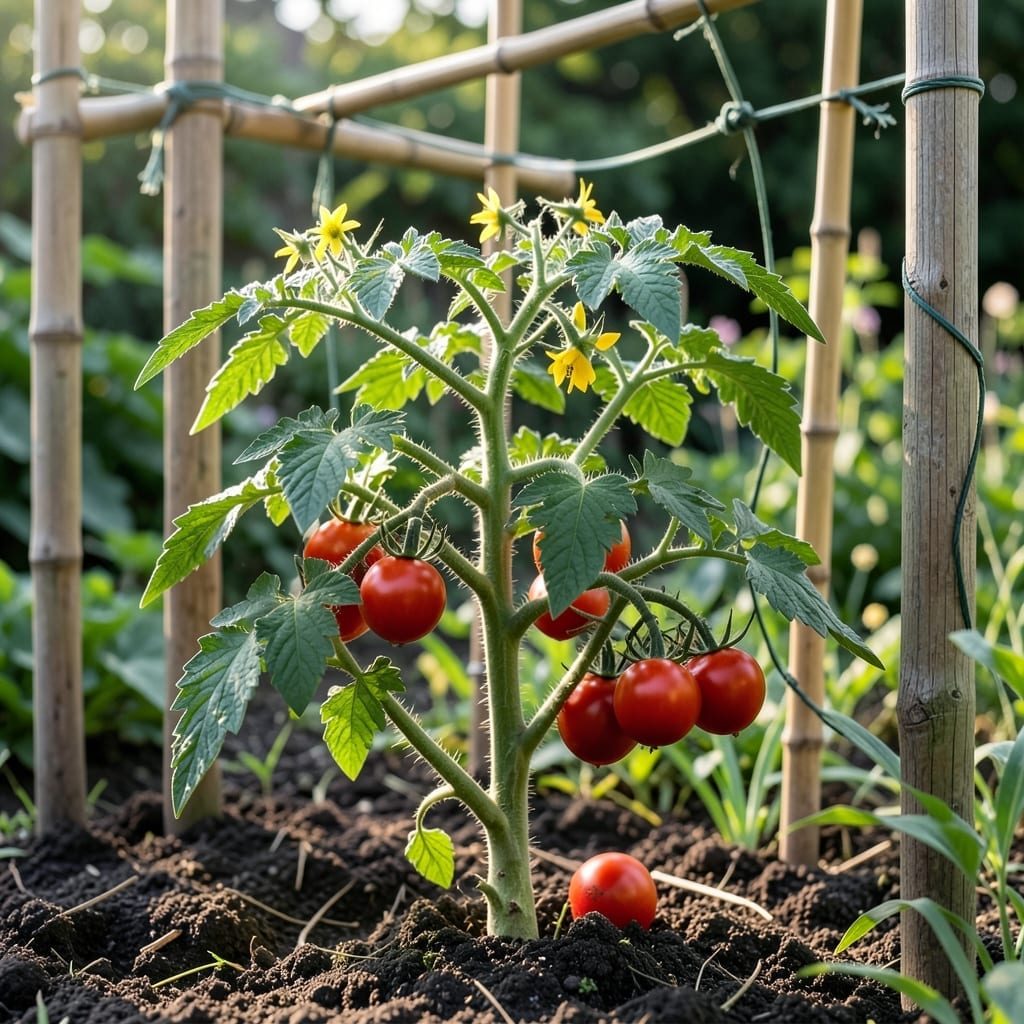
Heirloom tomatoes captivate gardeners with their rich flavors and historic charm. Yet their size can vary dramatically by variety, from tiny cherry types to massive beefsteaks.
Knowing what to expect helps you plan space, support, and harvests. Some heirlooms stay compact while others sprawl 6 feet tall with fruits weighing over a pound.
I’ve grown dozens of heirloom varieties in my garden. The difference in size between a Brandywine and a Black Cherry is astonishing, and each serves different purposes in the kitchen.
Let me walk you through the typical sizes of heirloom tomatoes and how to choose the right varieties for your space and needs.

Heirloom tomatoes come in a stunning range of sizes, from bite-sized cherries to pound-plus beefsteaks. Each type has unique growth habits and uses.
I’ve categorized heirlooms into four main size groups based on their mature fruit dimensions and weights. This helps gardeners match varieties to their space and needs.
| Variety Type | Average Size | Weight Range | Example Varieties |
|---|---|---|---|
| Cherry | 0.5-1 inch | 0.1-0.5 oz | Black Cherry, Sun Gold |
| Saladette | 1-2 inches | 1-2 oz | Stupice, Glacier |
| Mid-Sized | 2-4 inches | 4-8 oz | Cherokee Purple, Brandywine |
| Beefsteak | 4+ inches | 1-2 lbs | Mortgage Lifter, Pineapple |
The cherry heirlooms are perfect for container gardening and snacking straight from the vine. They’re prolific producers and resist cracking better than larger types.
Saladette varieties offer a happy medium, ideal for fresh salads and light cooking. Their compact size makes them great for smaller gardens with limited space.
The mid-sized heirlooms are my personal favorites for versatile use. At 4-8 ounces, they’re perfect for slicing, canning, or fresh eating. They typically need 5-6 feet of vertical space.
Beefsteak heirlooms command attention with their massive fruits. These giants need strong support and consistent watering to prevent blossom end rot. Expect plants to reach 6-8 feet tall.
Each size category has distinct care requirements. Smaller types often need less pruning, while larger varieties benefit from aggressive pruning to direct energy to fruit production.
I recommend starting with one variety from each size group to experience the full range. This lets you compare growth habits, flavors, and yields in your specific garden conditions.
Remember that actual sizes can vary based on growing conditions. The table shows averages, but your results may differ with optimal care and ideal weather.
For the best results, match your support structures to the variety. Use cages for cherries, stakes for saladettes, and tall trellises for beefsteaks.
Heirloom tomato size isn’t just about the variety—it’s also shaped by how you grow them. In my experience, even the same Brandywine plant can produce 1-lb fruits or 2-lb giants depending on care.
The biggest factors are sunlight, water, and soil fertility. These plants are hungry for nutrients, especially potassium and phosphorus, which directly impact fruit size.☀️
I’ve seen Cherokee Purple tomatoes shrink to 6 oz in poor soil, but reach 12-16 oz with proper feeding. Organic matter is key—work in 2-3 inches of compost before planting.
Water deeply 2-3 times weekly rather than light daily watering. This encourages deep root growth, which helps plants access more nutrients and water during fruit development.💧
Pruning is controversial, but I recommend removing suckers below the first flower cluster. This focuses the plant’s energy on fruit production rather than excessive leaf growth.
Don’t overlook plant spacing. Crowded tomatoes compete for resources, leading to smaller fruits. Give indeterminates 24-36 inches between plants for best results.🌱