
Beautiful Plants For Your Interior
Beautiful Plants For Your Interior
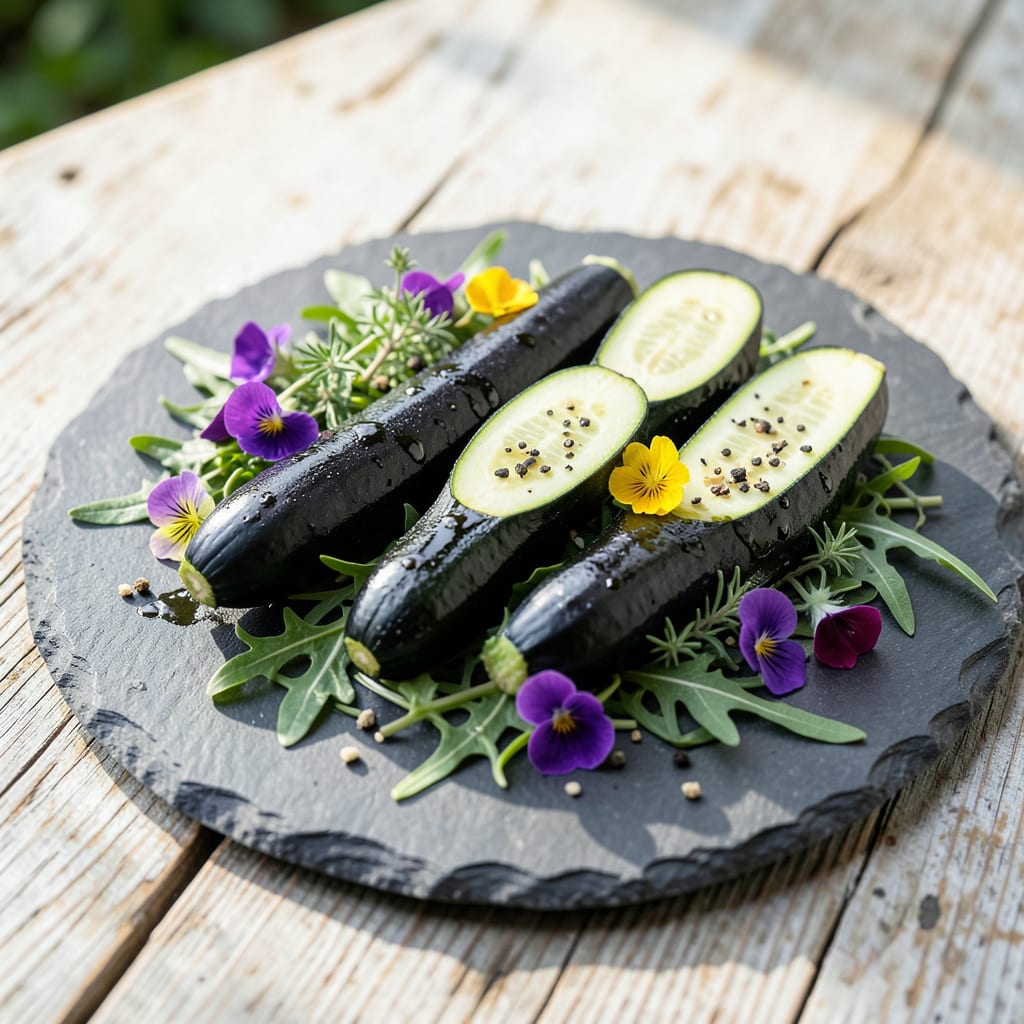
I fell for Black Beauty zucchini the first time I saw its glossy, deep purple skin gleaming in the garden. This heirloom delivers more than good looks—it produces abundant harvests of tender, flavorful fruit all season long.
It thrives with basic care: full sun, consistent moisture, and rich soil. The plants grow vigorously, and you’ll be picking 6-8 inch zucchinis within 45-55 days of planting. A game-changer for any vegetable patch.
📚 In This Guide
This method delivers robust plants with that signature deep purple skin every time.
Choose a location with full sun exposure—at least 6-8 hours of direct sunlight daily. I always amend the soil with 2-3 inches of aged compost worked into the top 8-12 inches of soil to improve fertility and drainage. Zucchini plants are heavy feeders, so this step is non-negotiable.
Space your planting area to accommodate mature plants that will spread 3-4 feet wide. If using raised beds, ensure they’re at least 12 inches deep. The soil temperature should be at least 60°F before planting, which you can verify with a simple soil thermometer.
Sow seeds 1 inch deep and 2-3 inches apart in groups of 2-3, then thin to the strongest seedling once first true leaves appear. I prefer direct sowing because zucchini dislikes transplant shock. For seedlings, plant them at the same depth they were growing in their containers.
Water immediately after planting with 1-2 inches of water to settle the soil around the seeds or roots. The soil should remain consistently moist but not waterlogged during the germination period, which typically takes 7-14 days at 70-85°F.
Once seedlings emerge, maintain even moisture by watering deeply 1-2 times per week, providing about 1-1.5 inches of water weekly. The key is to water at the base of the plant to keep foliage dry, which prevents fungal diseases. I use a soaker hose for this purpose.
Apply a 2-3 inch layer of organic mulch around plants to retain moisture and suppress weeds. When the plants have 3-4 true leaves, begin fertilizing with a balanced organic fertilizer every 3-4 weeks to support rapid growth.
Watch for the first signs of pests like squash bugs or cucumber beetles, which are attracted to zucchini. I inspect plants daily, especially the undersides of leaves, and remove any pests by hand when I spot them. Early intervention prevents infestations that can quickly overwhelm plants.
As plants grow, direct vines to spread in the desired direction to prevent tangling. Black Beauty zucchini typically begins producing fruit 45-55 days after planting. The deep purple skin will be most vibrant when fruits are harvested young, at about 6-8 inches long.
Check plants daily once fruiting begins—zucchini can grow from harvestable size to oversized in just 24-48 hours. Use a sharp knife or pruning shears to cut fruits from the plant, leaving a 1-2 inch stem attached. This prevents damage to the plant and the fruit.
Harvest regularly to encourage continued production. A single healthy Black Beauty plant can produce 6-10 pounds of zucchini over the growing season. The skin should be firm and glossy, and the fruit should feel heavy for its size when ready for harvest.
These insights will help you maximize growth and avoid common pitfalls with this variety.
Sunlight Essentials: The 6-8 hours of daily full sun mentioned in Step 1 isn’t just a suggestion—it’s critical for developing that signature deep purple skin. I learned this the hard way when my first batch came out pale and lackluster from only getting 4-5 hours of sun.
Soil Temperature Matters: Don’t rush planting even if daytime temps are warm. That 60°F soil temperature in Step 1 is your green light. I use a simple soil thermometer, and trust me, seeds planted in cooler soil will either rot or take forever to germinate.
Harvest Timing: The 24-48 hours window in Step 5 is no exaggeration—zucchini grow shockingly fast once fruiting begins. Check plants daily, as missing even one day can turn a perfect 6-8 inch fruit into an overgrown, seedy monster. The skin should be firm and glossy when ready.
Watering Wisdom: The 1-2 times per week watering schedule in Step 3 works perfectly if you’re providing that 1-1.5 inches weekly. But here’s what nobody tells you—water in the morning so foliage dries by evening, preventing the fungal issues that plague so many zucchini growers.
Pick when the fruit is 6–8 inches long and the skin is deep, glossy purple. Overripe zucchini becomes tough and seedy, so check plants every 2–3 days during peak season.
Yes! Use a large container (at least 5 gallons) with well-draining soil. Ensure full sun (6–8 hours daily) and consistent watering. Dwarf or bush varieties work best for limited spaces.
Watch for squash bugs, cucumber beetles, and powdery mildew. Handpick pests early, use row covers, or apply neem oil. Rotate crops annually to prevent disease buildup.
Try ‘Black Jack’ (compact, early producer) or ‘Raven’ (disease-resistant). For color variety, ‘Golden Zucchini’ or ‘Cocozelle’ (striped) are great picks with similar flavors.
Lack of pollination is a common issue. Attract bees with companion flowers (like marigolds) or hand-pollinate using a small brush. Also, ensure adequate sunlight and balanced fertilizer.
