
Beautiful Plants For Your Interior
Beautiful Plants For Your Interior
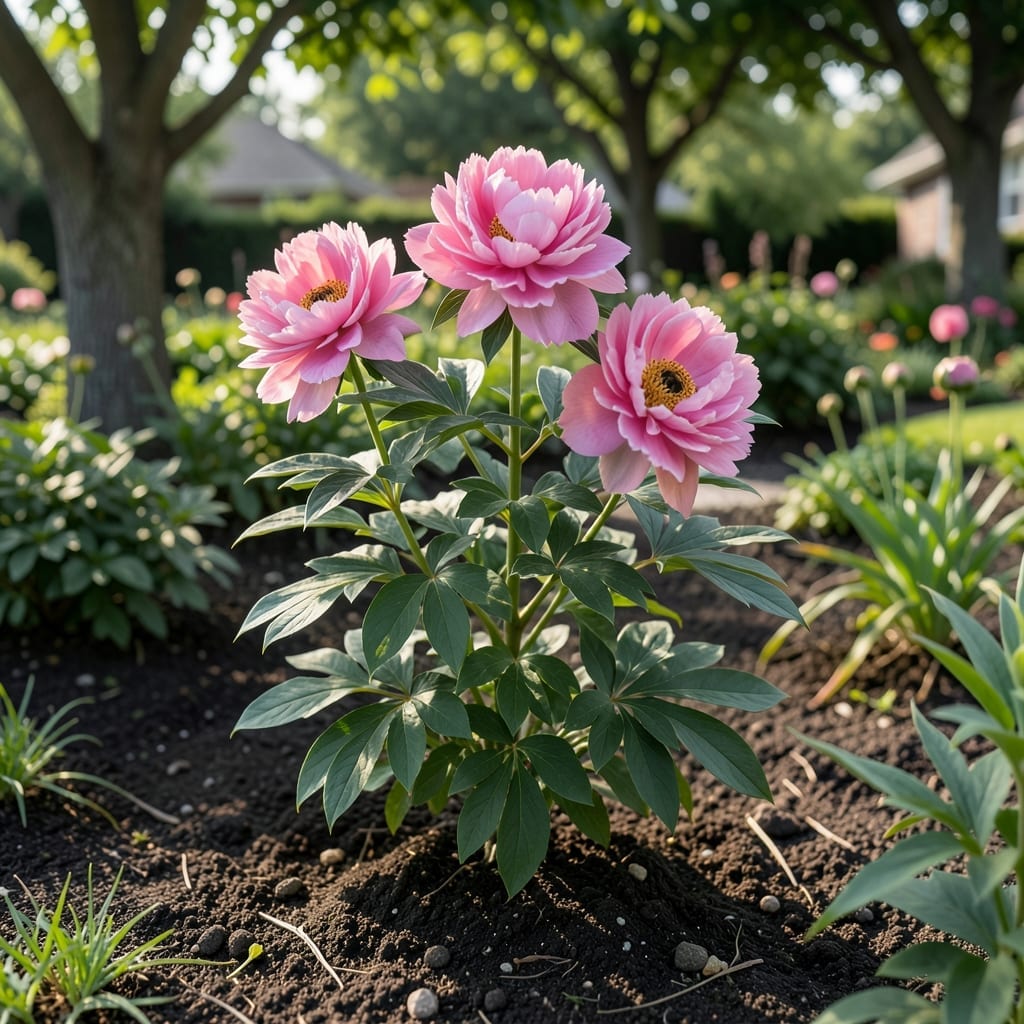
Peonies are a garden showstopper, but their mature size often catches even seasoned gardeners off guard. The 🌸 Peony can transform your landscape with its stature as much as its blooms.
From compact varieties to towering types, these perennials vary more than you might expect. Knowing their potential height helps you design the perfect garden layout.
I’ll guide you through the typical size ranges for different Peony types and what influences their growth. Whether you want petite plants or dramatic focal points, you’ll find out how to achieve it.
With the right knowledge, you can shape your Peony display to match your vision. Let’s explore how to make these beauties thrive at their best height.

When I first planted peonies, I was amazed by how quickly they grew. The mature height varies significantly between types, which is crucial for garden planning and aesthetic balance. 🌸
Herbaceous peonies, the most common type, typically reach 2 to 4 feet tall. Tree peonies, on the other hand, can grow much taller, often between 4 to 7 feet. Intersectional peonies fall somewhere in between. 🌿
| Peony Type | Mature Height | Example Cultivars |
|---|---|---|
| Herbaceous | 2-4 ft | Sarah Bernhardt, Karl Rosenfield |
| Tree | 4-7 ft | Suffruticosa, Rockii |
| Intersectional | 2-5 ft | Bartzella, Julia Rose |
I’ve found that herbaceous peonies like Sarah Bernhardt stay compact at about 3 feet, making them perfect for border gardens. Their sturdy stems support those heavy blooms beautifully. 🌷
For gardeners with vertical space, tree peonies like Suffruticosa can reach 7 feet tall. These woody-stemmed varieties create stunning focal points in any landscape. Their height makes them ideal for privacy screens or background plantings.
Intersectional peonies, such as Bartzella, offer a middle ground at 2 to 5 feet. These hybrids combine the best traits of herbaceous and tree peonies, with strong stems and long bloom seasons. They’re versatile for mixed borders.
Dwarf varieties, like the Peony ‘Little Leo’, stay under 2 feet tall. These are perfect for container gardening or front-of-border placements where space is limited. Their compact size doesn’t sacrifice flower power.
I always recommend checking the mature height on plant tags before purchasing. This small step prevents overcrowding and ensures each peony has enough growing room. Proper spacing also improves air circulation, reducing disease risk. ☀️
In my experience, soil quality and sunlight exposure can influence height too. Peonies in rich, well-draining soil with full sun often reach the upper end of their height range. Conversely, poor conditions may stunt their growth.
Remember that first-year plants may appear shorter. It often takes 2-3 years for peonies to reach their full mature height. Patience is key with these long-lived perennials.
For those wanting to maximize height, consistent watering and annual fertilization help. I use a balanced fertilizer in early spring and again after blooming to support healthy growth. 🪴
Peony height isn’t set in stone—it’s shaped by several key factors in your garden. Sunlight exposure is the most critical, as peonies need 6-8 hours of direct sun to reach their full potential. Without enough light, they’ll stay stunted and sparse.
Soil quality also plays a huge role. Rich, well-draining soil with a pH of 6.5-7.0 gives roots room to grow, supporting taller stems. Poor soil means weaker plants that struggle to stand tall.
Key Factors Affecting Peony Height
Watering habits directly impact growth. 1-2 inches weekly keeps the soil consistently moist but not soggy. Overwatering can rot roots, while drought stress limits height development.
Pruning is another tool in your control. I always deadhead spent blooms to prevent seed formation, which redirects energy to stem growth. A light trim after flowering keeps plants compact or encourages bushier growth.
Your local climate zone sets the baseline—peonies thrive in USDA zones 3-8. In cooler areas, they may grow slower but reach full height eventually. Hotter climates can stress plants, limiting their size.
Finally, companion planting can help. Placing peonies near taller plants provides wind protection, while shorter neighbors won’t compete for light. This strategic approach helps them achieve their natural 2-4 foot height range. 🌿