
Beautiful Plants For Your Interior
Beautiful Plants For Your Interior
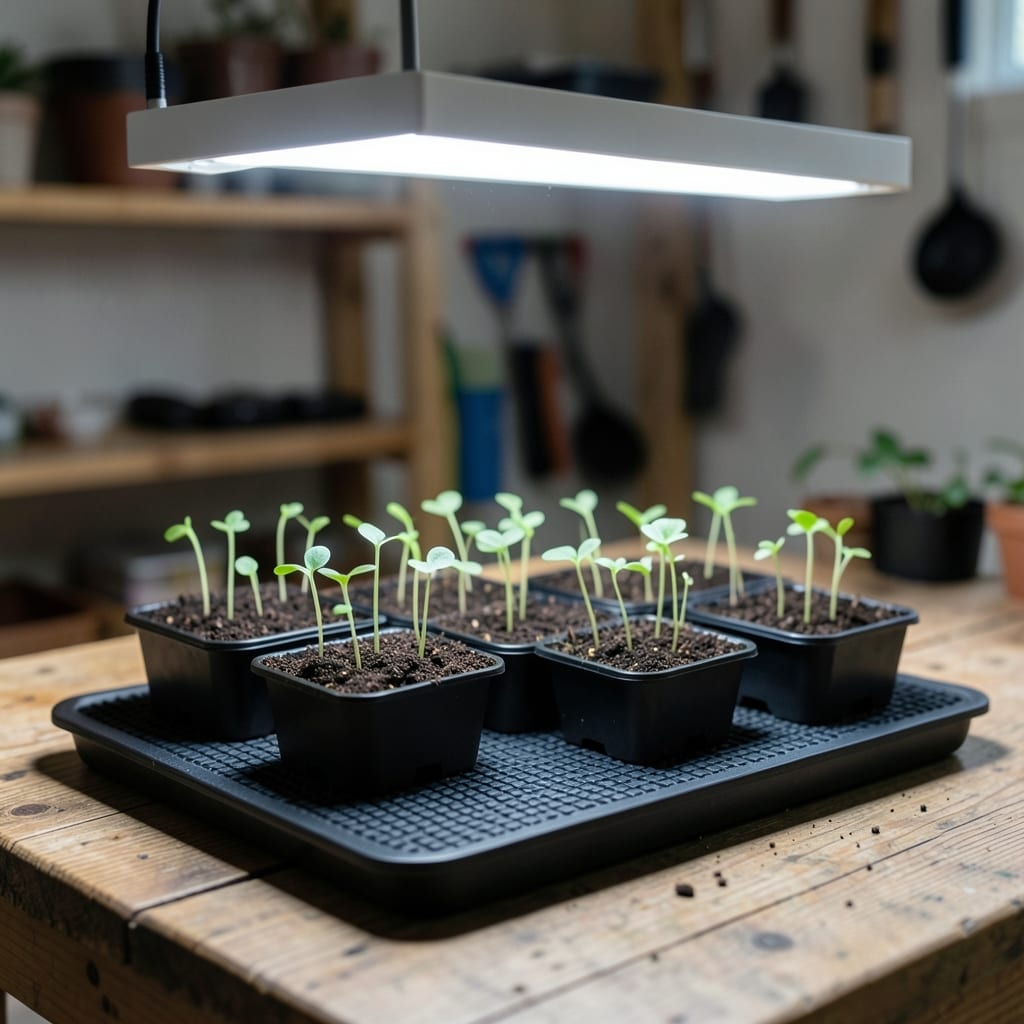
Struggling with slow or uneven germination for your 🌱 Seedlings? The right warmth can make all the difference in getting them off to a strong start.
Many gardeners don’t realize that soil temperature is often the missing piece in early seed development. A consistent heat source can transform your results.
Discover how to use this simple tool to accelerate growth and improve success rates for your spring planting. The difference will surprise you.
I’ve found that many seedling struggles come down to one simple factor: inconsistent warmth. Most seeds need soil temps between 70-85°F to germinate optimally.
Without this, even with perfect light and moisture, your seed starting efforts may fall flat. A seedling heat mat provides that steady, controlled warmth.
| Plant Type | Ideal Temp (°F) |
|---|---|
| Tomatoes | 75-85°F |
| Peppers | 80-85°F |
| Lettuce | 60-70°F |
| Herbs | 70-80°F |
The science is clear: warm soil speeds up enzyme activity in seeds, which kickstarts the germination process. This is why a heating pad can cut your sprouting time in half.
In my experience, cold soil is the #1 reason for slow or failed germination. Even if your home feels warm, the soil in seed trays often stays 10-15°F cooler than the air.
A heat mat solves this by maintaining consistent temperatures at the root level. I’ve seen basil seeds sprout in 5 days on a mat vs. 14 days without one.
For cool-season crops like lettuce, the difference is even more dramatic. At 60°F, they’ll germinate in 7-10 days, but at 70°F, you’ll see sprouts in 4-5 days.
The key is even heat distribution. Look for mats with a thermostat control to prevent hot spots that could damage tender roots.
I always place my seed trays directly on the mat, then cover them with a plastic dome to trap both heat and humidity. This creates a mini greenhouse effect.
Remember that too much heat can be as bad as too little. Most seeds won’t tolerate temps above 90°F, so monitoring is essential.
With a good heat mat, you’ll see stronger root systems and more uniform growth across your seed trays. It’s one of the best investments for serious gardeners. 🌱
Choosing the right heating pad for seedlings can make or break your germination success. I’ve tested several models, and the differences in performance and durability are striking.
For most home gardeners, a 20-60 watt mat works perfectly for standard seed trays. Look for waterproof construction—spills happen, and you want your mat to last.
| Mat Type | Wattage | Best For |
|---|---|---|
| Standard Mat | 20-40W | Windowsill trays |
| Large Mat | 40-60W | Grow tents |
| Thermostat Mat | Variable | Precise temp control |
| Propagator Kit | 15-25W | Small starts |
A thermostat-controlled mat is worth the extra cost if you’re serious about seed starting. It prevents overheating and lets you dial in the perfect temperature for each plant type.
For budget-conscious gardeners, basic mats without thermostats still work well. Just use a soil thermometer to monitor temps and unplug if it gets too warm.
I prefer mats with a non-slip surface to keep seed trays in place. Also, check the cord length—nothing’s worse than struggling with a short power cord.
Durability matters too. Look for mats with reinforced edges and heat-resistant materials. My first mat lasted 5+ seasons with proper care.
With the right mat, you’ll see faster germination and healthier seedlings ready for transplanting. 🌱