
Beautiful Plants For Your Interior
Beautiful Plants For Your Interior
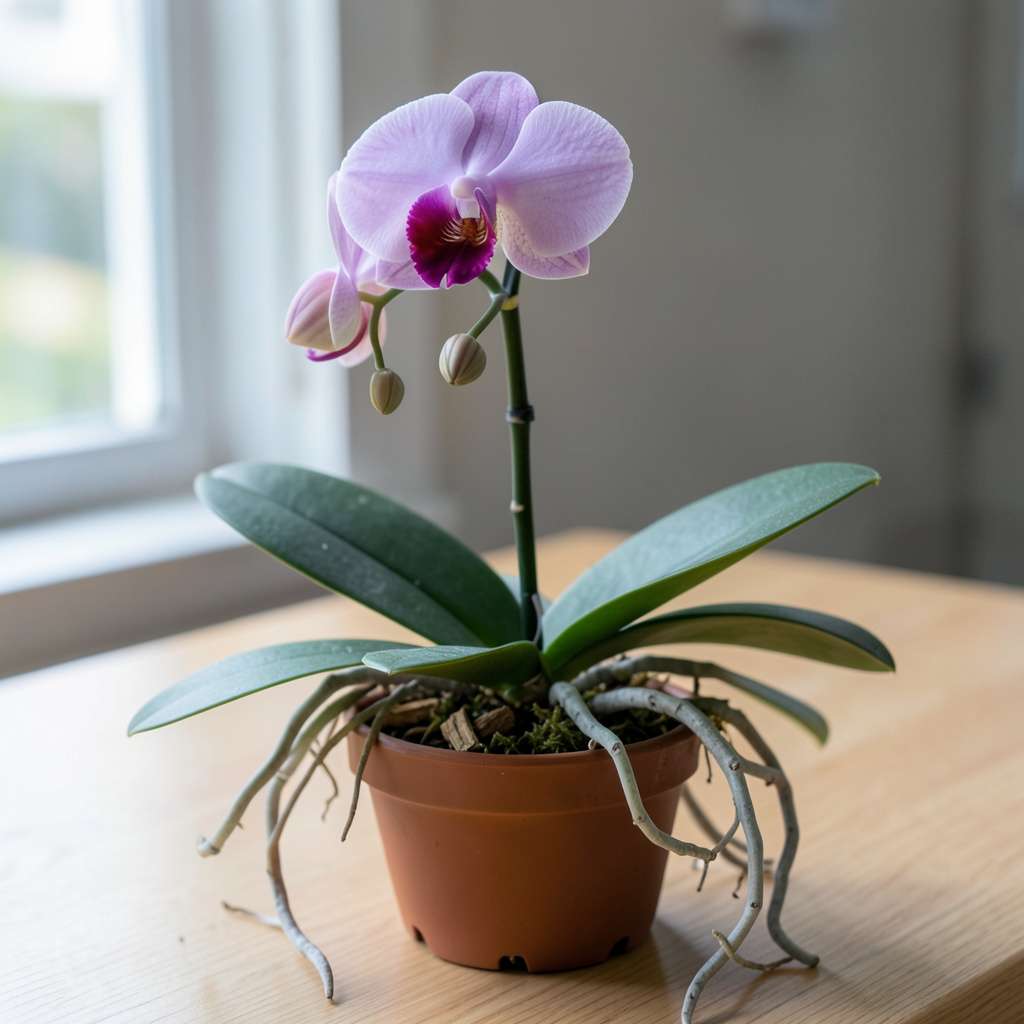
Healthy orchid roots are firm, white, and flexible. To promote growth, ensure Vibrant Blooms“>proper hydration, use well-draining potting mix, and provide adequate light and airflow. Avoid overwatering, which causes root rot.
Understanding the health of orchid roots is crucial for thriving plants. 🌱 Healthy roots support the entire plant by efficiently absorbing water and nutrients. I’ve learned that providing the right balance of moisture and ensuring good airflow can make a significant difference in root vitality. Observing the roots regularly helps catch issues early, such as rot from excessive watering, allowing for prompt action.
In my experience, using a quality potting mix enhances drainage, which is vital for these unique plants. The right conditions not only boost root health but also encourage lush blooms, making your orchids a stunning centerpiece in your home. 🌼
💡 In This Article
The anatomy of orchid roots is fascinating and crucial for their overall health. Roots contain vascular bundles that transport water and nutrients directly to the plant. These bundles are surrounded by root hairs, which significantly increase the surface area for absorption, allowing orchids to thrive in various conditions. 🌱
Interestingly, orchids possess two types of roots: aerial and terrestrial. Aerial roots are adapted to absorb moisture from the air, while terrestrial roots grow in a potting medium. This unique structure means that healthy roots must be flexible and white, indicating optimal hydration levels. 🌼
Recognizing signs of root damage is essential for maintaining plant vitality. For instance, brown or mushy roots often signal overwatering, while shriveled roots indicate dehydration. By checking the roots regularly, you can catch these issues before they become critical. 🌟
To ensure your orchid roots remain healthy, it’s vital to use a well-draining potting mix, such as a combination of bark and sphagnum moss. This mix allows excess water to escape while retaining enough moisture for the roots.
It’s also important to water your orchids only when the top layer of the medium feels dry to the touch. 🔥
Additionally, environmental factors like humidity and airflow play a significant role in root health. Orchids thrive in humidity levels of around 50-70%. Using a humidity tray or misting can help create a suitable environment. Proper airflow prevents fungal growth and root rot, further promoting root vitality. 💚
Repotting is another key aspect of orchid care, typically recommended every one to two years. This practice refreshes the potting medium, ensuring that roots have ample space to grow and access nutrients effectively. The right timing and technique can lead to healthier roots and a more vibrant plant overall. 🌸
