
Beautiful Plants For Your Interior
Beautiful Plants For Your Interior
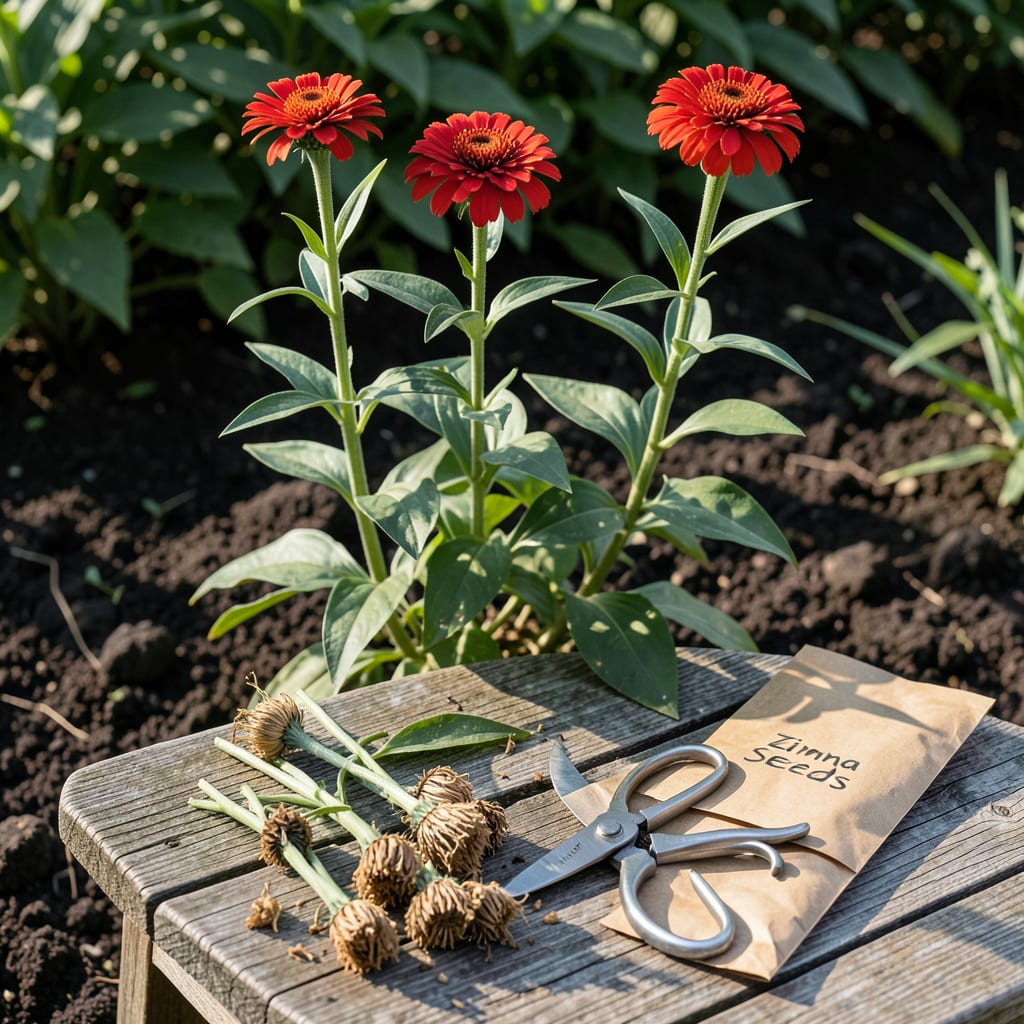
Want to fill your garden with vibrant 🌼 Zinnia blooms next season without spending a dime? Harvesting your own seeds is the answer.
I’ll show you the simple process to collect and store seeds properly. With these steps, you’ll have bigger, brighter flowers year after year.


I love how harvesting zinnia seeds lets me grow next year’s garden for free. The process starts with identifying mature seed heads on your healthiest plants. Look for blooms that have stopped flowering and begun to dry out.
You’ll know they’re ready when the seed head turns brown and feels crisp to the touch. This usually happens 60-90 days after planting, depending on the variety. I always check for dry, dark seeds inside the head.
I use sharp pruners to cut the stems just below the seed head. This prevents damage to the seeds.
After cutting, I place the seed heads in paper bags rather than plastic. The breathable material helps prevent moisture buildup. I’ve found that lunch-sized bags work perfectly for most zinnia varieties.
Let the bags sit in a warm, well-ventilated area for about 7-14 days. This gives the seeds time to fully dry. I like to check them daily and give the bags a gentle shake.
Once dry, the seeds will easily fall from the seed head when shaken. I pour them onto a clean plate to separate any remaining plant debris. A fine mesh sieve can help with this process.
For storage, I use envelopes or small jars. The key is keeping them in a cool, dark place until planting season. I always label each container with the zinnia variety and harvest date.
Properly stored zinnia seeds can remain viable for 3-5 years. This means you’ll have plenty of seeds for future gardens. I’ve had great success with seeds stored this way.
Next spring, you’ll be rewarded with vibrant blooms from your own harvested seeds. It’s one of the most satisfying parts of gardening for me. Plus, you can share seeds with friends! 🌼
Timing is everything when harvesting zinnia seeds. I wait until the flower heads are completely dry and brown, which usually happens 60-90 days after planting.
The petals will fall off naturally, and the seed heads will turn a deep brown color. This is nature’s way of telling you the seeds are ready.
| Ready Sign | Description |
|---|---|
| Seed head is fully dry | No moisture remains |
| Seeds rattle inside | Shake gently to test |
| Stem is crisp and brown | Below the seed head |
Another key indicator is when the seeds themselves turn dark and hard. If they’re still soft or white, they’re not ready for harvesting yet.
I also check the stem below the seed head. When it turns yellow and crisp, that’s a sure sign the seeds are mature and ready to collect.
Weather matters too. I always harvest on a dry, sunny day to ensure the seeds are completely dry before storage. Any moisture can lead to mold.
If you’re unsure, just wait a few more days. Zinnia seeds won’t spoil if left on the plant a little longer, but harvesting too early can ruin your seed viability.
Proper zinnia seed storage is crucial for maintaining viability. I always start by ensuring seeds are completely dry before storing them. Any moisture can lead to mold or premature sprouting.
For containers, I prefer paper envelopes or glass jars. These allow for airflow while keeping seeds safe. Plastic bags can trap moisture, so I avoid them for long-term storage.
🌱 Pro Storage Tip: Add a silica gel packet to your seed container to absorb any remaining moisture and extend seed life.
I store my zinnia seeds in a cool, dark place like a basement or closet. The ideal temperature is between 40-50°F. A refrigerator can work too, but avoid freezing.
Labeling is essential. I write the zinnia variety and harvest date on each container. This helps me track seed age and plan next year’s garden. Older seeds may have lower germination rates.
With proper storage, zinnia seeds can remain viable for 3-5 years. I’ve successfully grown beautiful blooms from seeds stored this way. It’s rewarding to see last year’s harvest produce new life.
🌼Look for dry, brown seed heads where petals have fallen off. Seeds should be dark and hard, and you’ll hear them rattle inside when shaken. The stem below should be yellow and crisp.
Place seed heads in a paper bag and store in a warm, well-ventilated area for 1-2 weeks. This allows seeds to fully dry before storage. Avoid plastic bags to prevent moisture buildup.
Properly stored seeds remain viable for 3-5 years. Keep them in cool, dark conditions at 40-50°F. Always label containers with the variety and harvest date.
Yes, but the resulting plants may not match the parent. For consistent flowers, stick to open-pollinated varieties. Hybrids are bred for specific traits that don’t always carry over.
