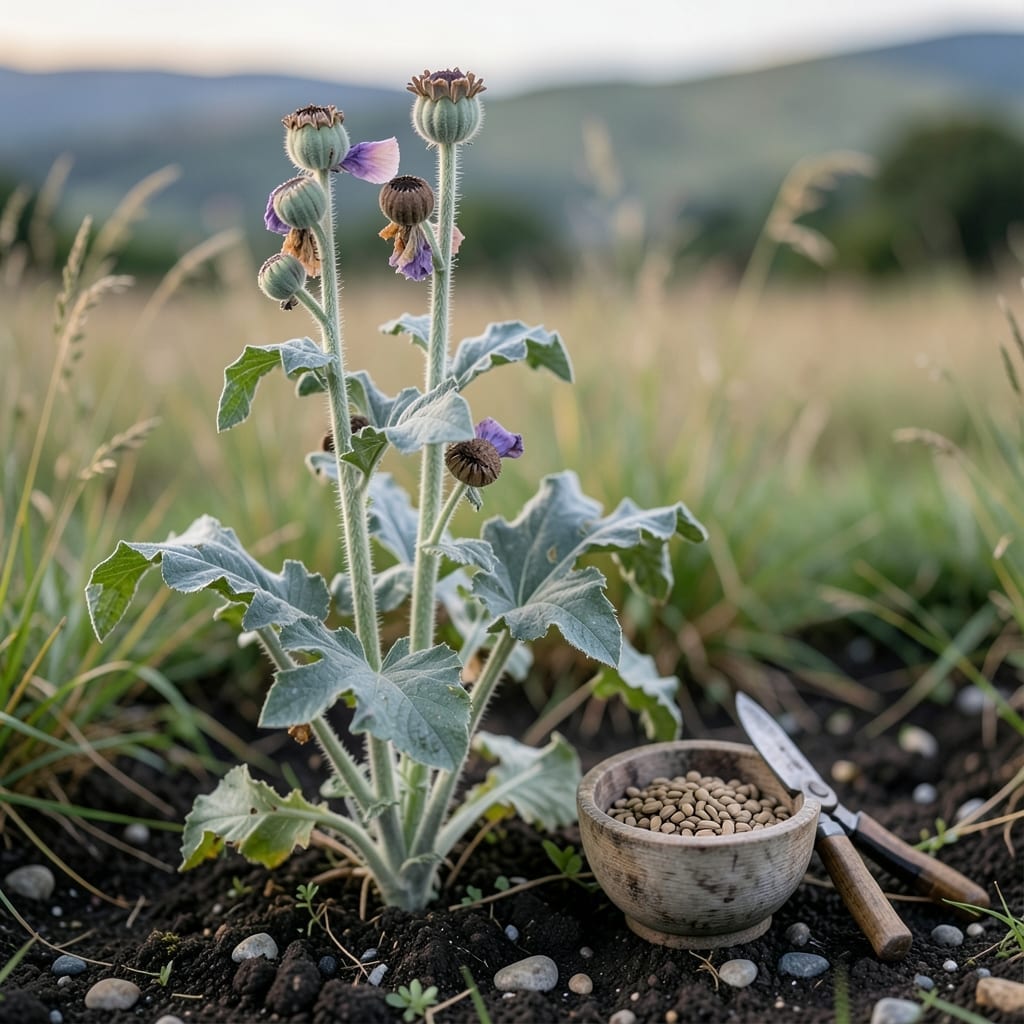
Harvesting Poppy Seeds: Timing and Techniques for Maximum Yield

Harvesting Poppy Seeds: Timing and Techniques for Maximum Yield

There’s nothing quite like the satisfaction of watching your 🌸 Poppy plants reach their final stage. After months of care, you’re finally ready to collect those precious seeds.

But here’s the catch – timing is everything. Harvest too soon, and your seeds won’t be mature enough. Wait too long, and you risk losing them to wind or weather.

I’ve learned through trial and error that the difference between a mediocre harvest and a bountiful one comes down to a few key techniques. The good news? They’re simpler than you might think.

Discover how to read your Poppy’s signals and use the right methods to gather seeds at their peak. Your future garden will thank you.

Style 16: Quick Tips – General
🌅
Morning
Pick early for best flavor & crunch
✂️
Clean Cut
Use scissors, don’t pull or twist
🔄
Check Daily
Ripeness can change overnight!

When to Harvest Poppy Seeds for Optimal Ripeness

Timing is everything when it comes to harvesting poppy seeds. I’ve learned that waiting for the perfect moment ensures the best quality and highest yield. The key is watching for visual cues that signal ripeness.

Poppy seed pods typically mature 90 to 150 days after planting, depending on the variety and growing conditions. I always look for pod color changes from green to brown as the first sign of readiness.

Harvest Sign Description
Seed pods turn brown Color shifts from green to tan/brown
Pods split at the top Small cracks appear at the pod’s crown
Stems turn yellow Lower stems dry out and change color
Seeds rattle inside Gently shake pod to hear dry seeds

I check my poppy plants daily as they near maturity. The seed pods will start to dry and develop small cracks at the top, which is nature’s way of saying they’re ready to release their treasure.

Another clear indicator is when the stems turn yellow and begin to wither. This drying process is crucial because it means the plant is redirecting its energy to seed development rather than growth.

I’ve found that the rattle test works perfectly. When you gently shake a pod and hear the seeds inside moving freely, it’s a sure sign they’re dry enough for harvesting.

In my experience, harvesting too early results in immature seeds that won’t germinate well. I once made the mistake of picking pods when they were still green and firm, and the seeds were unusable.

The ideal time is when the entire pod is brown and papery. I also pay attention to the weather forecast—a stretch of dry days is perfect for harvesting and drying seeds outdoors.

For the best results, I harvest in the morning after dew has evaporated but before the heat of the day sets in. This timing helps preserve the seed viability and prevents moisture issues during storage.

Remember, patience pays off with poppies. Rushing the process can cost you the entire crop, while waiting for these clear signals ensures a plentiful harvest of high-quality seeds. 🌿

Step-by-Step Techniques for Harvesting Poppy Seeds Without Waste

I always wait until the seed pods turn completely brown and start splitting at the top. This is your first sign the poppy seeds are ready for collection. The pods should feel dry and papery to the touch.

Before harvesting, I check if the seeds rattle when I gently shake the pod. This confirms they’re fully mature and ready to be collected. A dry morning is ideal for this process to prevent moisture damage.

Proven Harvesting Methods

  1. Hand-pick pods carefully to avoid spilling seeds
  2. Use scissors to cut stems if pods are hard to reach
  3. Place in paper bags to finish drying indoors
  4. Store in airtight containers once fully dry

I prefer the paper bag method for drying. Simply place the pods in a bag and leave them in a warm, dry area for a week. This catches any seeds that might fall during the final drying process.

For storage, I use glass jars with tight lids. This keeps the seeds fresh and protects them from moisture. Label your containers with the harvest date for future reference.

Avoid plastic bags for storage as they can trap moisture. The ideal temperature for storing poppy seeds is between 50-60°F. This maintains seed viability for years.

Remember, the key to maximum yield is patience. Don’t rush the drying process, and always ensure your seeds are completely dry before storing them away for next season 🌱

★★★★★5.0(13 reviews)