
Beautiful Plants For Your Interior
Beautiful Plants For Your Interior
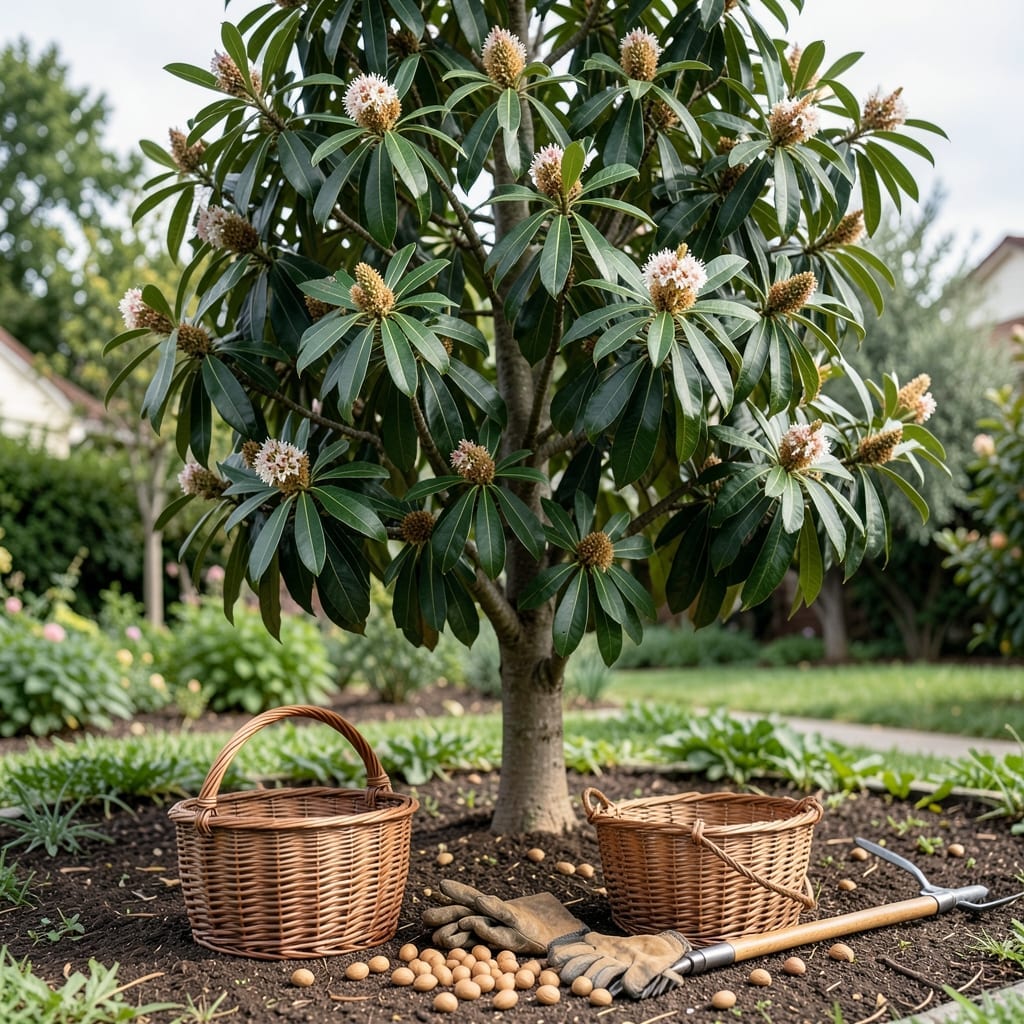
There’s something magical about watching 🌰 Macadamia Nut trees release their treasures. Unlike other crops, these nuts have a unique way of telling you they’re ready – they literally fall into your hands when perfectly ripe.
But timing is everything. Pick too early and you’ll miss that signature creamy texture. Wait too long and pests or weather might beat you to the harvest. The difference between good and great nuts often comes down to just a few days.
I’ve learned that the best harvests come from observing subtle signs most gardeners overlook. The outer husk, the way the nuts drop – these are nature’s clues we need to decode.
Let me walk you through the exact moments to collect your Macadamia Nuts and how to handle them afterward for maximum flavor and storage life. The process is simpler than you might think.


Timing is everything when it comes to harvesting macadamia nuts. These trees are unique because they drop their nuts naturally when ripe. I’ve found that late summer to fall is the prime window, usually 6-7 months after flowering. The nuts won’t ripen further once picked, so patience is key.
You’ll know they’re ready when the outer husk turns brown and the nuts fall to the ground. If they’re still clinging to the tree, they’re not quite there yet. I always check for dry, split husks as a sure sign of maturity. This natural drop method ensures the highest quality kernels.
| Sign | Description |
|---|---|
| Nuts drop naturally | Ready to harvest |
| Husk turns brown | Indicates full maturity |
| Husk splits easily | Kernel is firm inside |
| Kernel color | White and hard |
I’ve learned that environmental factors play a big role in the harvest timing. In USDA zones 9-11, macadamia trees thrive with consistent warmth. If you’re in a cooler climate, the nuts might take longer to mature. Always monitor the tree closely during the harvest window.
Another tip: collect fallen nuts daily. Leaving them on the ground too long can lead to spoilage or pest damage. I use a soft basket or tarp to gather them gently, avoiding any bruising to the husks. This keeps the kernels in perfect condition for processing.
If you’re unsure whether the nuts are ready, perform a simple test. Try opening a few husks—if the kernel inside is firm and white, it’s ready. If it’s soft or discolored, give them more time. I’ve found this method to be foolproof for ensuring peak ripeness.
For those growing macadamia trees, remember that young trees may not produce a full harvest for 5-7 years. Once they mature, though, you can expect a bountiful yield. I’ve seen trees produce up to 50 pounds of nuts annually under ideal conditions.
The natural drop method is the easiest way to harvest, but sometimes nuts get stuck in the tree. In these cases, I gently shake the branches or use a long pole to dislodge them. Be careful not to damage the tree or the nuts in the process.
Weather can impact your harvest, too. Dry, sunny days are ideal for collecting nuts, as moisture can lead to mold. I always aim to harvest in the morning when the nuts are dry from the previous day’s sun. This helps prevent any issues with storage later on.
Finally, keep an eye out for pests like squirrels or birds that might beat you to the harvest. I’ve found that netting the tree or placing traps nearby can help protect your crop. With a little attention to detail, you’ll be rewarded with a fantastic harvest of creamy, delicious macadamia nuts.
☀️
I always wait for macadamia nuts to drop naturally from the tree. This is the clearest sign they’re ready for harvest, usually in late summer to fall. The outer husk will turn brown and dry, making it easier to remove. ☀️
Once the nuts fall, I collect them promptly to avoid spoilage or pest damage. I use a mesh bag or basket to gather them, ensuring good airflow to prevent mold. The husks should be fully brown and starting to split. 🌳
I recommend drying the nuts in a single layer on a screen or tray. This allows for even airflow and prevents moisture buildup. Keep them out of direct sunlight to avoid overheating, which can affect quality. 🌿
After drying, the nuts should rattle inside their shells when shaken. This indicates they’re fully dry and ready for storage. I store mine in airtight containers to keep pests out and preserve flavor.
If you notice any nuts with cracks or holes, discard them immediately. These can harbor pests or mold, which may spread to the rest of your harvest. Always inspect your nuts before storage. ✂️
By following these steps, I ensure my macadamia nuts stay fresh and delicious for months. Proper processing is just as important as harvesting at the right time for the best results.