
Beautiful Plants For Your Interior
Beautiful Plants For Your Interior
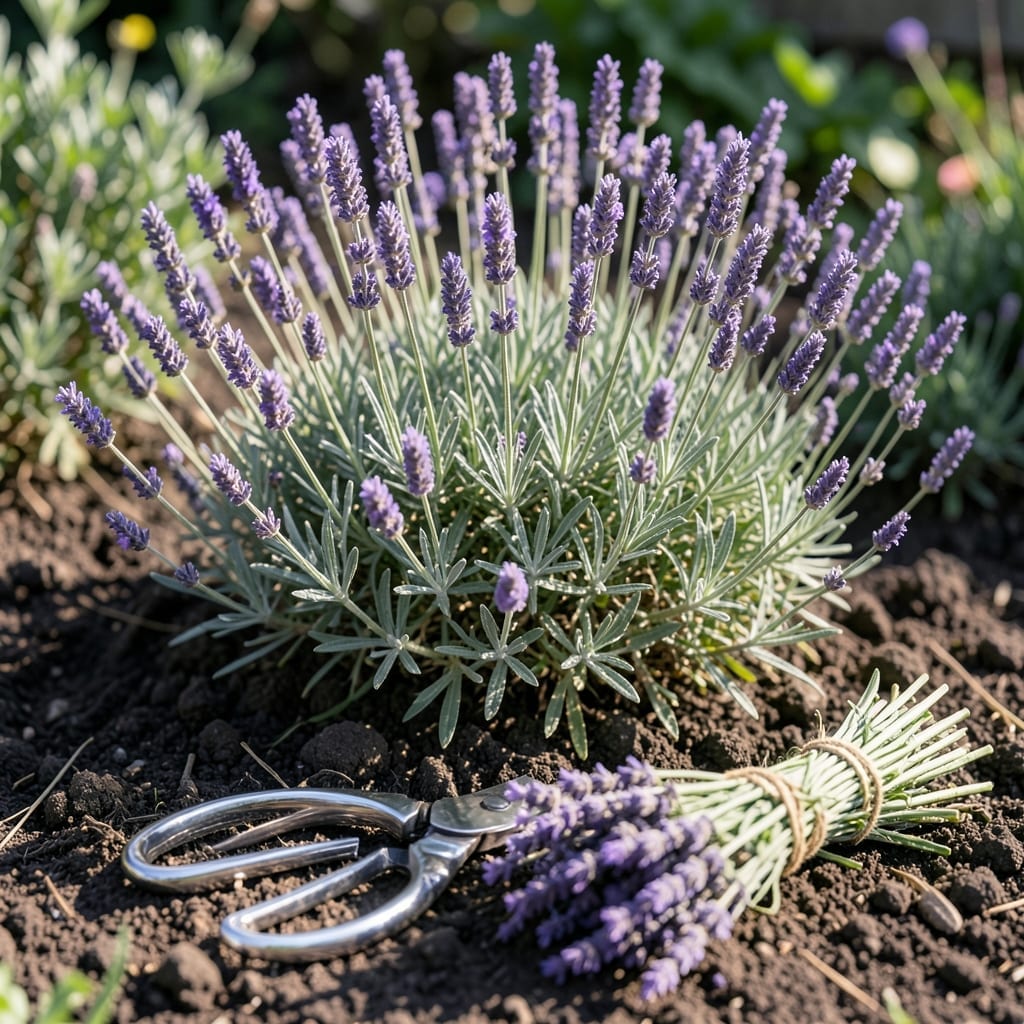
There’s nothing quite like the sweet, soothing aroma of fresh lavender filling your space. But did you know the secret to that perfect scent lies in when you harvest it?
I remember the first time I cut 🌿 Lavender at the wrong moment – the fragrance was barely there. Timing is everything with this beautiful herb, and I’m here to help you get it right.
Whether you’re growing it in zones 5-9 or just starting out, knowing the ideal harvest window makes all the difference. You’ll want to act when those purple blooms are just beginning to open.
Discover the simple yet crucial steps to ensure your lavender stays fragrant and vibrant long after it’s picked. Let’s make every snip count.

Timing is everything when it comes to harvesting lavender flowers for the best scent. I always watch for the moment when lower flower buds begin to open but the top ones are still closed. This is the peak fragrance window for most varieties.
Early morning is ideal—after the dew dries but before the heat sets in. The essential oils are most concentrated at this time, giving you the strongest aroma possible. ☀️
| Harvest Cue | What to Look For |
|---|---|
| Bud Stage | Lower third open, top closed |
| Stem Condition | Firm and slightly woody |
| Fragrance | Strong and detectable |
| Time of Day | Morning after dew dries |
| Season | June to August |
For English lavender, I’ve found the best harvest time is typically in early summer. The flower stems should be long enough to cut but not yet woody. This ensures the freshest blooms with maximum oil content.
If you wait until all buds are open, the flowers may start dropping petals. I learned this the hard way—my first harvest was too late, and the scent was weaker than expected. Now I check daily during peak season.
Avoid harvesting during rainy weather or when plants are wet. Excess moisture can lead to mold during drying. I always keep a sharp pair of pruners handy for clean cuts that won’t damage the plant.
For Spanish or French lavender, the timing is similar, but I watch for vibrant color as an extra sign. These varieties often have a slightly longer bloom period, giving you more flexibility.
I also pay attention to the plant’s overall health. If the lavender looks stressed or water-deprived, I’ll hold off on harvesting until it recovers. Healthy plants produce the most fragrant flowers.
Remember, regular harvesting encourages more blooms. I aim to cut about one-third of the stems at a time, leaving plenty for the plant to regenerate. This keeps my lavender bushy and productive all season.
Finally, trust your nose. If the lavender scent is strong when you brush against the plant, it’s likely ready. This simple test has never failed me in years of gardening. 🌿
Harvesting lavender properly ensures healthy regrowth and maximum fragrance. The key is using sharp tools and making clean cuts at the right spot on the stem.
I always use pruning shears or sharp scissors to avoid crushing the stems. The best time to cut is in the cool morning after dew evaporates but before the heat sets in.
How to Harvest Lavender:
Never cut into the woody base of the plant, as this can prevent new growth. I focus on the current year’s growth for the best results.
After harvesting, I give my lavender a light watering to help it recover. This encourages the plant to produce new flower stems for future harvests.
Remember, early morning is ideal because the essential oils are most concentrated. Avoid harvesting in rainy weather or extreme heat.
With these simple steps, you’ll enjoy fragrant lavender all season long while keeping your plants thriving and healthy ✂️