
Beautiful Plants For Your Interior
Beautiful Plants For Your Interior
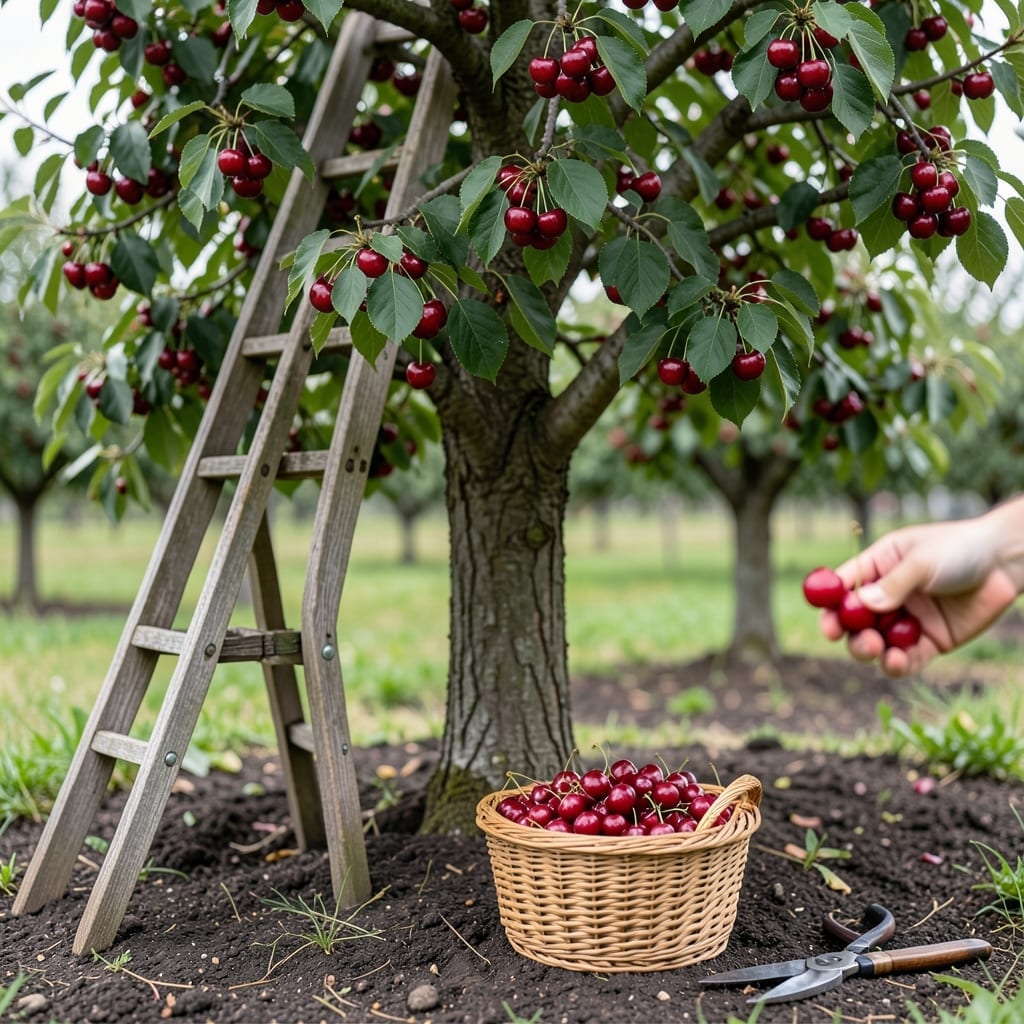
Knowing exactly when to pick cherries can mean the difference between tart disappointment and burst-of-summer sweetness. With the 🌳 Cherry Tree, timing is everything.
I’ve seen too many gardeners miss the perfect window, ending up with underripe or overripe fruit. The visual cues are subtle but unmistakable once you know what to look for.
From deep color changes to how the fruit separates from the stem, there are clear signs your cherries are ready. These small details make all the difference in flavor and quality.
Discover how to read your tree’s signals and harvest at peak perfection every time. Your taste buds will thank you.
I always watch for the first sign of deep color change in cherries. For Bing cherries, this means a shift from red to nearly black-purple. With Rainier cherries, look for that signature golden-yellow blush with red highlights.
Another key indicator is the stem condition. Ripe cherries will have dry, brown stems where they attach to the fruit. Green stems usually mean the cherries need more time on the tree.
| Variety | Ripe Color | Stem Color | Texture |
|---|---|---|---|
| Bing | Deep purple-black | Brown | Firm but yielding |
| Rainier | Golden with red blush | Brown | Slightly soft |
| Montmorency | Bright red | Brown | Firm |
The texture test is my go-to method. Gently squeeze a few cherries – they should have a slight give, not be rock hard. For tart cherries like Montmorency, they’ll be firm but juicy when ready.
I also check how easily the fruit detaches from the stem. Ripe cherries will come off with a gentle twist and a light tug. If you’re struggling to pull them free, they’re not ready yet.
Don’t forget the taste test! Sample a few from different parts of the tree. Sweet cherries should be, well, sweet! Tart cherries will have that characteristic puckery flavor when perfectly ripe.
Watch for bird activity too. When the local bird population starts showing extra interest in your tree, it’s often a sign your cherries are nearing peak ripeness. They’re great at spotting the best fruit!
Remember that cherries don’t ripen further after picking. Unlike some fruits, once they’re off the tree, their flavor won’t improve. This makes proper timing crucial for the best taste experience.
For the most accurate assessment, I check multiple visual cues together. Color alone isn’t always enough – combine it with stem color, texture, and ease of detachment for the most reliable results.
Early morning is the best time to check for ripeness. The cooler temperatures make the cherries firmer, giving you a better sense of their true texture. Plus, you’ll beat the birds to the best picks! 🌳
I always start harvesting in the cool morning hours when both I and the cherries are at our best. The fruit is firmer then, making it easier to handle without bruising. Plus, you’ll avoid the midday heat that can stress both you and the tree.
Use sharp pruning shears or harvesting scissors for clean cuts. Never pull cherries directly from the branch as this can damage the fruit spurs – those little nubs that will produce next year’s cherries. Instead, snip the stem about 1/2 inch above the fruit.
For high branches, I recommend a fruit picking pole with a soft catching basket. This lets you gently twist the cherries off without climbing. Just be sure to support the branch with your free hand to prevent snapping.
Always handle cherries gently to avoid bruising. I place them directly into shallow containers rather than deep buckets to prevent crushing. Plastic trays or cardboard flats work well for this purpose.
After harvesting, I always take a moment to inspect the tree for any damaged branches or signs of pests. This is the perfect time to prune out any broken or diseased wood while the tree is still actively growing. 🌳