
Beautiful Plants For Your Interior
Beautiful Plants For Your Interior
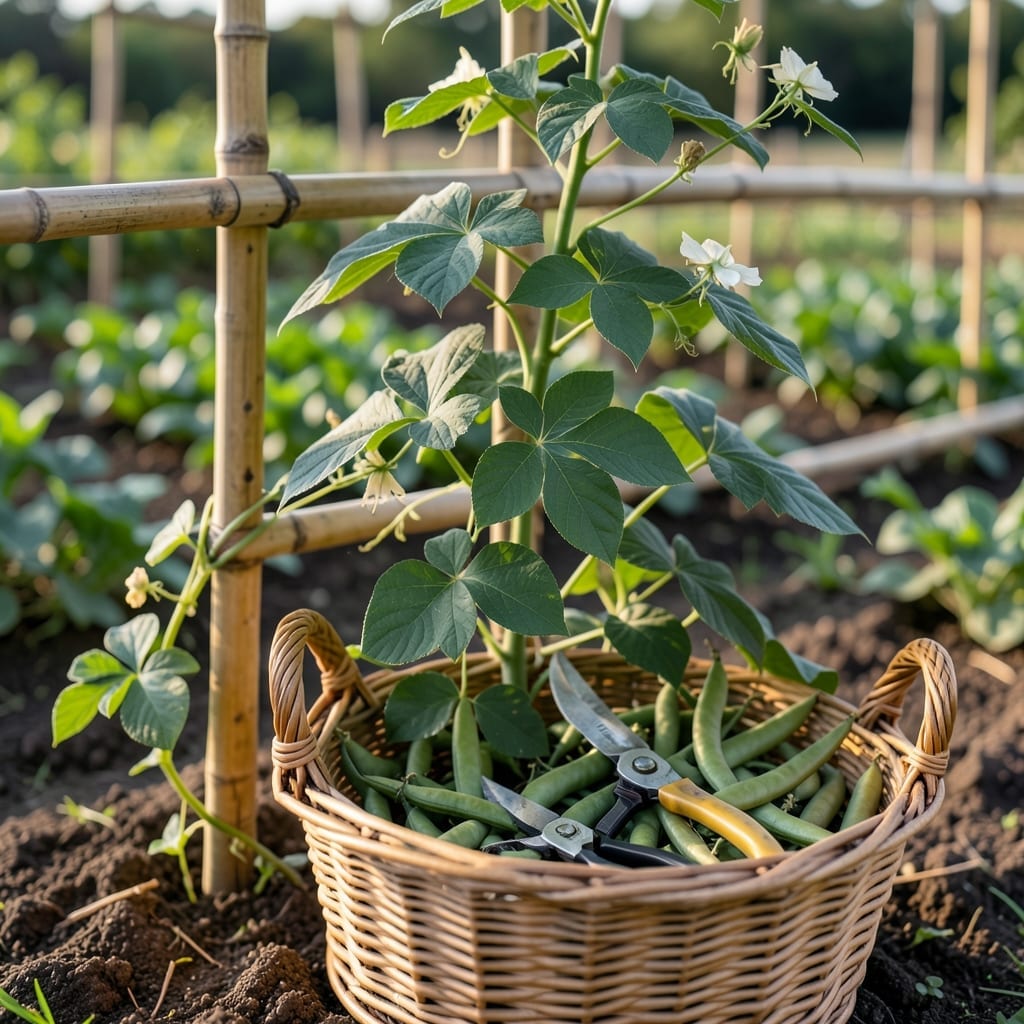
There’s nothing quite like the satisfaction of plucking Butter Beans at their peak—when they’re sweet, tender, and just begging to be eaten. But timing is everything with these garden gems.
Miss that perfect window, and you’ll be left with tough, starchy pods that no one wants on their plate. I’ve learned the hard way that knowing the right signs can make or break your harvest.
From the subtle stem slip to the telltale plumpness of the pods, I’ll show you exactly what to look for. You’ll never guess at readiness again.
Let’s discover how to pick Butter Beans like a pro, so every bite is as delicious as it should be.


I’ve found that harvesting butter beans at the right time is all about visual and tactile cues. The stem slip method is my go-to for checking readiness—when the pod easily slips off the vine, it’s ready.
Another key indicator is pod size. For most varieties, 4-6 inch pods with a plump, rounded shape signal peak sweetness. Smaller pods may be underdeveloped, while oversized ones can turn tough.
| Cue | Description |
|---|---|
| Stem Slip | Pod detaches easily from vine |
| Pod Size | 4-6 inches long and plump |
| Color | Bright green, no yellowing |
| Seed Bumps | Visible but seeds still tender |
| Snap Test | Pod breaks cleanly when bent |
The color of the pod also matters. A vibrant green hue means the beans inside are at their sweetest. If the pod starts yellowing, the beans may be overmature and starchy.
I always check for seed bumps too. When you can see and feel the seeds developing inside but they’re still small and tender, that’s the sweet spot. If the seeds are large and hard, you’ve waited too long.
The snap test is another reliable method. Bend a pod—if it snaps crisply with a satisfying crunch, it’s ready to pick. If it bends without breaking, it needs more time.
For butter bean varieties, timing varies slightly. Bush types often mature faster, while pole varieties may take a few extra days. Always refer to your seed packet for specific days to maturity.
I like to harvest in the morning when the plants are cool and hydrated. This helps the pods retain their crisp texture and makes the process easier on both me and the vines.
If you’re growing multiple plants, check them daily once they start producing. Butter beans can go from perfect to overripe in just a day or two, especially in hot weather.
Finally, don’t forget to use both hands when picking. Hold the vine with one hand and the pod with the other to avoid damaging the plant. This ensures a healthy harvest and keeps your plants productive all season. ☀️
I always start harvesting my butter beans in the early morning when the pods are crisp and the plants are well-hydrated. This timing helps prevent vines from breaking and ensures the best quality beans for storage or immediate use.
Using the right tools is crucial. I prefer sharp scissors or pruning shears to snip the pods cleanly, but you can also hand-pick if you’re gentle. Never yank the pods, as this can uproot the entire plant.
I make it a habit to check my plants every 2-3 days during peak season. Butter beans mature quickly, and missing just a few days can turn tender pods into tough, overripe ones.
When harvesting, I always support the vine with one hand to avoid snapping the stem. This is especially important for climbing varieties, which can be more delicate than bush types.
If you notice yellowing leaves at the base, it’s a sign the plant is nearing the end of its productive cycle. Focus on harvesting all remaining pods before the plant declines further.
Finally, I recommend storing harvested beans in a cool, dry place or processing them immediately. Fresh butter beans taste best when used within a few days of picking. ✂️