
Beautiful Plants For Your Interior
Beautiful Plants For Your Interior
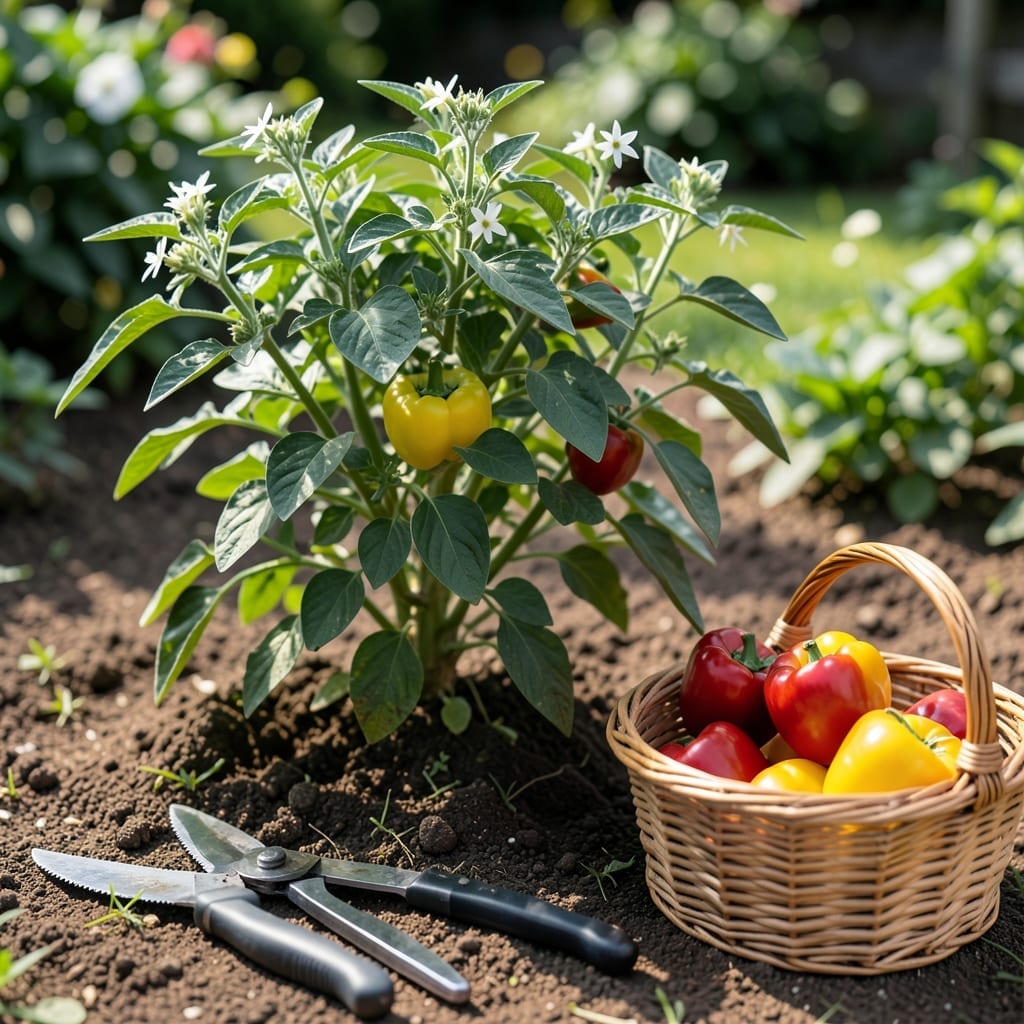
Knowing the exact moment to pick your Bell Pepper 🌶️ can transform your harvest from mediocre to magnificent. That perfect balance of sweetness and crunch is within reach.
I’ve learned that timing is everything when it comes to these vibrant garden staples. The difference between a pepper that’s just okay and one that bursts with flavor often comes down to a few key observations.
You’ll want to watch for subtle changes in color and texture that signal your Bell Pepper is at its peak. These visual cues are your roadmap to the best possible harvest.
Discover how to read these signs and you’ll be rewarding yourself with the most flavorful peppers of the season. Let’s get started on this flavor-filled journey.
I’ve found that bell peppers reveal their readiness through clear visual cues. The most obvious sign is color transformation, but texture and size matter just as much for peak flavor and yield.
For most varieties, full ripeness arrives when the pepper reaches its mature color—whether that’s red, yellow, or orange. Green peppers can be harvested early, but they’ll lack the sweetness of fully ripe ones.
| Stage | Color | Texture | Size |
|---|---|---|---|
| Early | Green | Firm | 3-4 inches |
| Maturing | Light green/yellow | Glossy | 4-5 inches |
| Ripe | Red/Yellow/Orange | Smooth & firm | 5-6 inches |
I always check for firmness by gently squeezing the pepper. A ripe bell pepper should feel solid, not soft or wrinkled, which indicates it’s past its prime or underripe.
The skin’s glossiness is another telltale sign. A dull appearance means it needs more time, while a shiny surface signals it’s ready to pick. This is especially true for red bell peppers.
Size matters too. Most mature bell peppers measure 3-6 inches long and 2-4 inches wide. If they’ve reached this size and the color is vibrant, it’s time to harvest.
I’ve noticed that stem condition also plays a role. A firm, green stem indicates the pepper is still actively growing, while a dry or brittle stem might mean it’s overripe or detached.
For yellow and orange varieties, the color change is gradual. I start checking daily once they begin transitioning from green to their final hue. This helps me catch them at the perfect moment.
Don’t forget to consider the days to maturity for your specific variety. Most bell peppers take 60-90 days from transplanting to harvest, but this can vary based on climate and care.
If you’re growing multiple colors, keep a journal. I track when each plant was transplanted and when I first notice color changes. This helps me predict future harvests more accurately.
Finally, trust your instincts. If a pepper looks and feels right, it probably is. The more you harvest, the better you’ll get at spotting the perfect moment every time. ☀️
I always use sharp pruning shears or clean hands to harvest bell peppers at their peak. The key is to avoid pulling the fruit, which can damage the plant stems and reduce future yields.
Gently grip the pepper base and cut the stem about 1/2 inch above the fruit. This method prevents tearing and keeps the plant healthy for continuous production.
I recommend harvesting in the early morning when peppers are crisp and hydrated. This timing helps preserve their freshness and nutritional value during storage.
Never yank peppers from the plant, as this can break branches and harm nearby fruit. Instead, use a gentle twisting motion if cutting isn’t an option.
After harvesting, I store peppers in a cool, dry place or refrigerate them to maintain quality. Proper post-harvest care extends their shelf life significantly.
Regular harvesting encourages the plant to produce more fruit. I make it a habit to check my plants every few days during peak season to catch peppers at their best.
☀️