
Beautiful Plants For Your Interior
Beautiful Plants For Your Interior
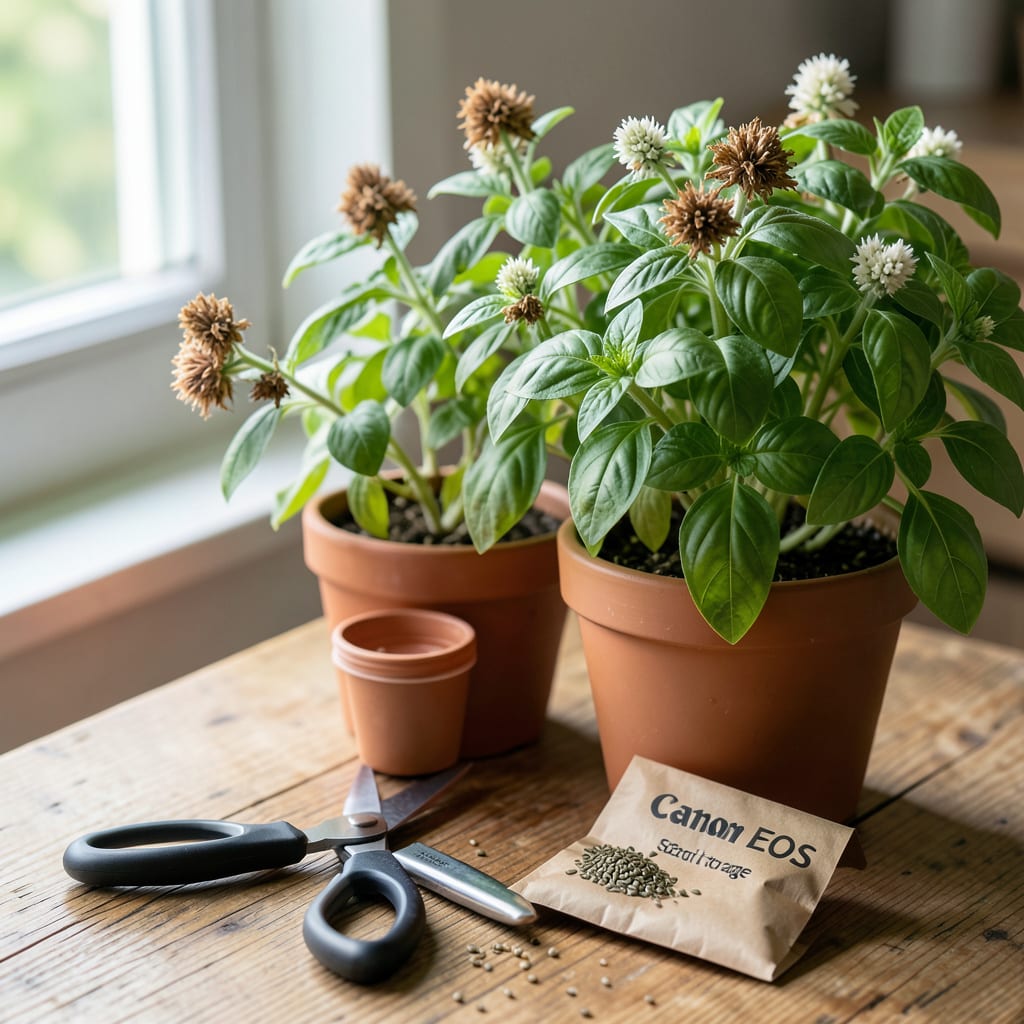
Want to grow more 🌿 Basil next season without buying seeds? Harvesting from your existing plants is easier than you think.
With just a few simple steps, you can ensure a fresh supply of this flavorful herb year after year. Let me show you how to do it right.


I love how harvesting basil seeds lets me grow fresh plants season after season. The key is knowing when your basil flowers are ready to release those precious seeds.
Timing is everything—wait until the flower heads turn brown and dry. This means the seeds inside are mature and ready for collection. Patience pays off here!
Start by observing your basil plant for signs of readiness. The flower heads should be brown and brittle, not green or soft. If they crumble easily when touched, they’re perfect for harvesting.
Use sharp scissors or pruning shears to cut the dried flower heads. Place them in a paper bag to catch any seeds that might fall out during handling. Avoid plastic, as it traps moisture.
Let the heads dry for 1-2 weeks in a well-ventilated area. I like to keep mine on a sunny windowsill or near a heat source to speed up the process. Check daily for progress.
Once fully dry, gently rub the flower heads between your fingers to release the seeds. You’ll see tiny black seeds inside—these are your future basil plants! Discard the empty pods and chaff.
For storage, place the seeds in an airtight container like a glass jar or envelope. Label with the date and variety. Store in a cool, dark place to maintain viability.
Pro tip: Always test a few seeds by pressing them. If they’re hard and dark, they’re ready. If they’re soft or light-colored, they need more drying time.
With these simple steps, you’ll have a steady supply of basil seeds for next season. It’s a rewarding way to keep your garden thriving year after year 🌱
Once you’ve harvested your basil seeds, proper storage is key to maintaining their viability. I’ve found that keeping seeds in a cool, dark place works best for long-term preservation.
Start by ensuring your seeds are completely dry before storing them. Any moisture can lead to mold or spoilage, ruining your hard work. A paper towel test can help confirm they’re ready.
🌱 Pro Tip: Store basil seeds in an airtight container with a silica gel packet to absorb any remaining moisture and extend shelf life.
For germination, I recommend using a seed-starting mix rather than regular garden soil. This provides the optimal environment for your seeds to sprout. Keep the soil warm, around 70-80°F, for best results.
Light is also crucial during germination. Place your seed trays near a sunny window or under grow lights for 12-16 hours of light daily. This encourages strong, healthy seedlings.
With these storage and germination tips, you’ll have a reliable supply of basil seeds ready to grow into thriving plants when the next season arrives 🌿
I’ve seen many gardeners struggle with harvesting basil seeds because they make a few common mistakes. The biggest error is picking flower heads too early, before the seeds are mature inside.
Another frequent issue is not allowing the seed pods to dry completely. Moisture is the enemy of seed storage, so always ensure your harvested heads are fully dried before extracting the seeds.
Many gardeners also overlook the importance of using clean tools. Dirty scissors or containers can introduce mold or bacteria, which can ruin your entire seed batch. Always sanitize your tools before and after use.
Storing seeds in plastic bags is another mistake I see often. Plastic can trap moisture, leading to mold. Instead, opt for paper envelopes or glass jars for better air circulation.
Finally, don’t forget to label your seeds. It’s easy to forget which variety you’ve harvested, especially if you’re growing multiple types of basil. A simple label with the date and variety saves confusion later 🌱
Look for brown, dry flower heads with black seeds inside. The pods should crumble easily when touched. Green heads or white seeds mean they need more time.
No, just clean scissors and a paper bag or envelope. Avoid plastic, as it traps moisture. A fine mesh sieve helps separate seeds from chaff.
When stored in a cool, dark, dry place in an airtight container, basil seeds remain viable for 3-5 years. Label with the date for easy tracking.
Test a few seeds by pressing them—if soft or light-colored, they weren’t fully dry before storage. Ensure proper drying and storage conditions to prevent this issue.
