
Beautiful Plants For Your Interior
Beautiful Plants For Your Interior
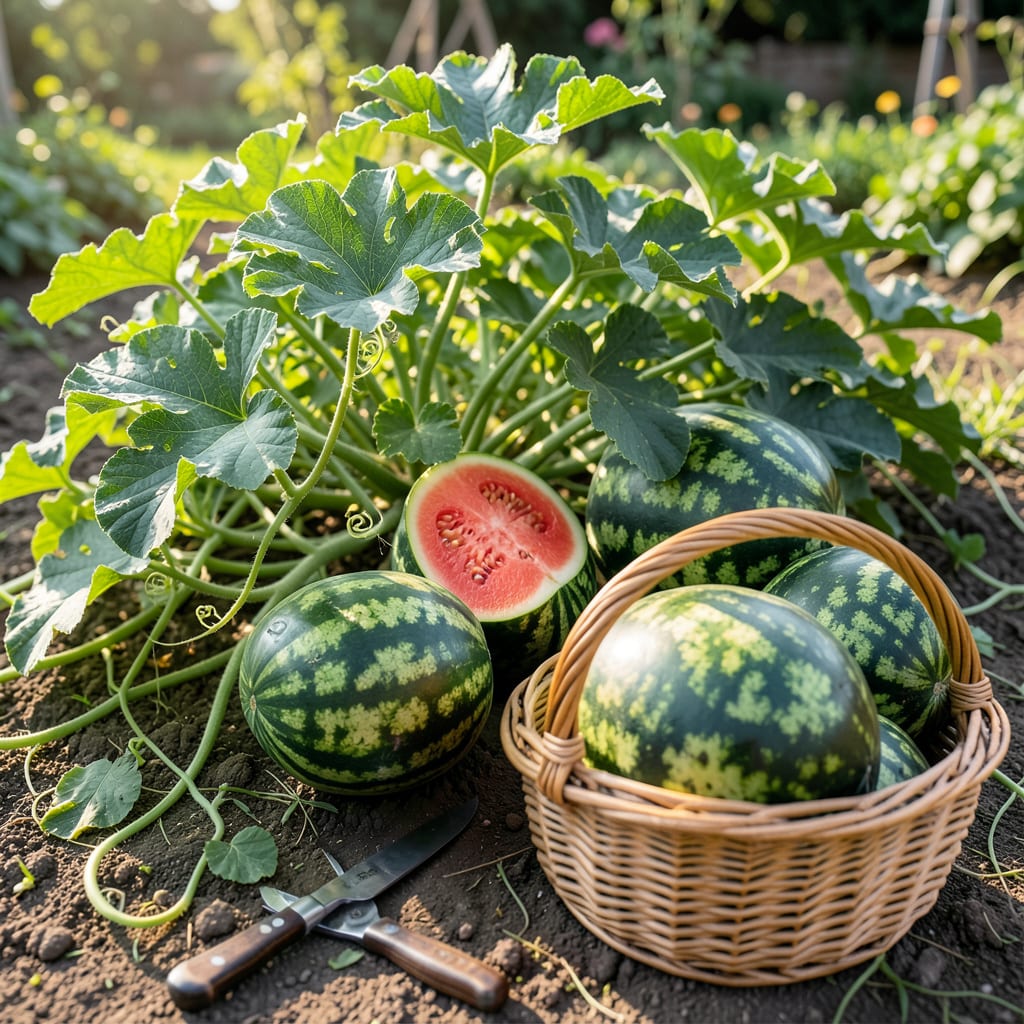
Nothing beats the taste of a perfectly ripe 🍉 Watermelon picked at just the right moment. But how do you know when it’s ready?
I’ll show you the key signs to look for—like a curling tendril and dull rind—that guarantee your melon is bursting with sweetness. Discover these simple tricks today.


Timing your watermelon harvest perfectly ensures maximum sweetness and juiciness. I always check for a curling tendril near the stem first—it’s one of nature’s most reliable indicators that your melon is ripe and ready. Dull rind color is another classic sign that the fruit has stopped growing. ✂️
But there are more cues to confirm ripeness. A hollow sound when tapped and a dry stem are both excellent indicators. The underside of the melon often turns cream or yellow when it’s ready, which is especially helpful for varieties that don’t show other clear signs. 🌱
| Sign | What to Look For |
|---|---|
| Curling Tendril | Brown and dry tendril near stem |
| Rind Color | Dull green or yellow (not shiny) |
| Underside | Cream or yellow ground spot |
| Sound Test | Hollow sound when tapped |
| Stem Condition | Dry and brittle stem |
The curling tendril is often the first sign I notice. This small, curly cue near the stem turns brown and dry when the watermelon is ripe. It’s a simple but powerful indicator that the fruit has reached its peak. 🌿
A dull rind is another key visual clue. Instead of a shiny, bright green, a ripe watermelon will have a matte finish. This change in appearance signals that the fruit is no longer actively growing and is ready to be picked.
The sound test is a classic method that never fails me. Tap the melon with your knuckles—if it sounds hollow and deep, it’s ripe. A solid or metallic sound means it needs more time on the vine. ☀️
Don’t forget to check the underside of the melon. When the spot where it rests on the ground turns from white to cream or yellow, it’s a strong sign of ripeness. This is especially useful for larger varieties.
For seedless watermelons, the curling tendril and dull rind are still reliable, but I pay extra attention to the sound test. These varieties can be trickier, so combining multiple signs gives the best results. 🌻
I always recommend checking your watermelons in the early morning when the temperature is cooler. This helps you assess the signs more accurately without the heat affecting your judgment or the fruit’s condition.
Remember, size alone isn’t a reliable indicator. A watermelon can reach full size but still be unripe. Always combine the visual and physical signs for the most accurate harvest timing. 💧
Even experienced gardeners can make harvest timing errors that result in underripe or overripe watermelons. I’ve seen many pick too early based solely on size, but a large melon doesn’t always mean it’s ready. The curling tendril and other signs are far more reliable. 🌱
Another common mistake is ignoring the tendril signal. If that little curl near the stem is still green and flexible, your watermelon needs more time. Harvesting too soon means you’ll miss out on the peak sweetness that develops in the final days. ☀️
⚠️ Warning: Harvesting after rain or heavy watering can lead to watery, less flavorful fruit. Always check for ripeness during dry conditions for the best results.
Some gardeners rely on color alone to judge ripeness, but this can be misleading. A shiny green rind might look vibrant, but it’s actually a sign the melon isn’t ready. Always combine multiple indicators like the tendril, rind texture, and sound test. ✂️
For seedless varieties, don’t assume they follow the same timeline as seeded types. These often need an extra week or two to fully ripen. I always double-check the sound test and underside color for seedless melons to be sure. 🌿
Timing your harvest in the late afternoon can also affect flavor. I’ve found that watermelons picked in the early morning retain their sweetness better, as the heat of the day can cause some sugar loss. Always use a sharp knife or pruners to avoid damaging the vine.
Finally, don’t wait too long! An overripe watermelon can become mushy or split open. Once you see the curling tendril and dull rind, it’s time to harvest within 1-2 days for the best flavor and texture. 💧
Not all watermelons ripen the same way. I’ve found that seedless varieties like Crimson Triple Crown often need an extra week or two compared to seeded types. The curling tendril remains the most reliable sign across all varieties. 🌱
Sugar Baby watermelons are ready earlier, often at 75-80 days. Their smaller size means the dull rind and cream-colored underside appear sooner. For these, I start checking ripeness signs at 70 days after planting. ☀️
| Variety | Days to Maturity | Key Ripeness Sign |
|---|---|---|
| Crimson Sweet | 85-90 days | Curling tendril + dull rind |
| Sugar Baby | 75-80 days | Cream underside appears early |
| Seedless (Triple Crown) | 90-100 days | Sound test most reliable |
| Charleston Gray | 90-100 days | Dull gray rind + dry stem |
For heirloom varieties like Charleston Gray, I pay special attention to the rind color. These develop a distinct dull gray-green hue when ripe, which is more subtle than other types. The sound test works exceptionally well here too. 🌿
Mini watermelons are gaining popularity for small gardens. Varieties like Sugar Pot mature in just 70 days. I check these frequently as they can go from ripe to overripe quickly. The tendril curl is my go-to indicator for these compact plants. ✂️
No matter the variety, I always combine multiple signs. A dull rind with a curling tendril and hollow sound gives me confidence. For new varieties, I research their specific traits to adjust my harvest timing accordingly. 💧
Check the tendril near the stem—it should be brown and dry. Also, tap the melon: a hollow sound means it’s ready. The rind should look dull rather than shiny.
Not always. Size varies by variety, so rely on other signs like a curling tendril and cream-colored underside. A large melon can still be unripe if these cues aren’t present.
It won’t ripen further off the vine. The fruit will be less sweet, with a watery texture and underdeveloped flavor. Always wait for multiple ripeness signs.
Start checking when the melon reaches full size, usually 70-100 days after planting. Inspect every 2-3 days once you notice the tendril beginning to curl.
