
Beautiful Plants For Your Interior
Beautiful Plants For Your Interior
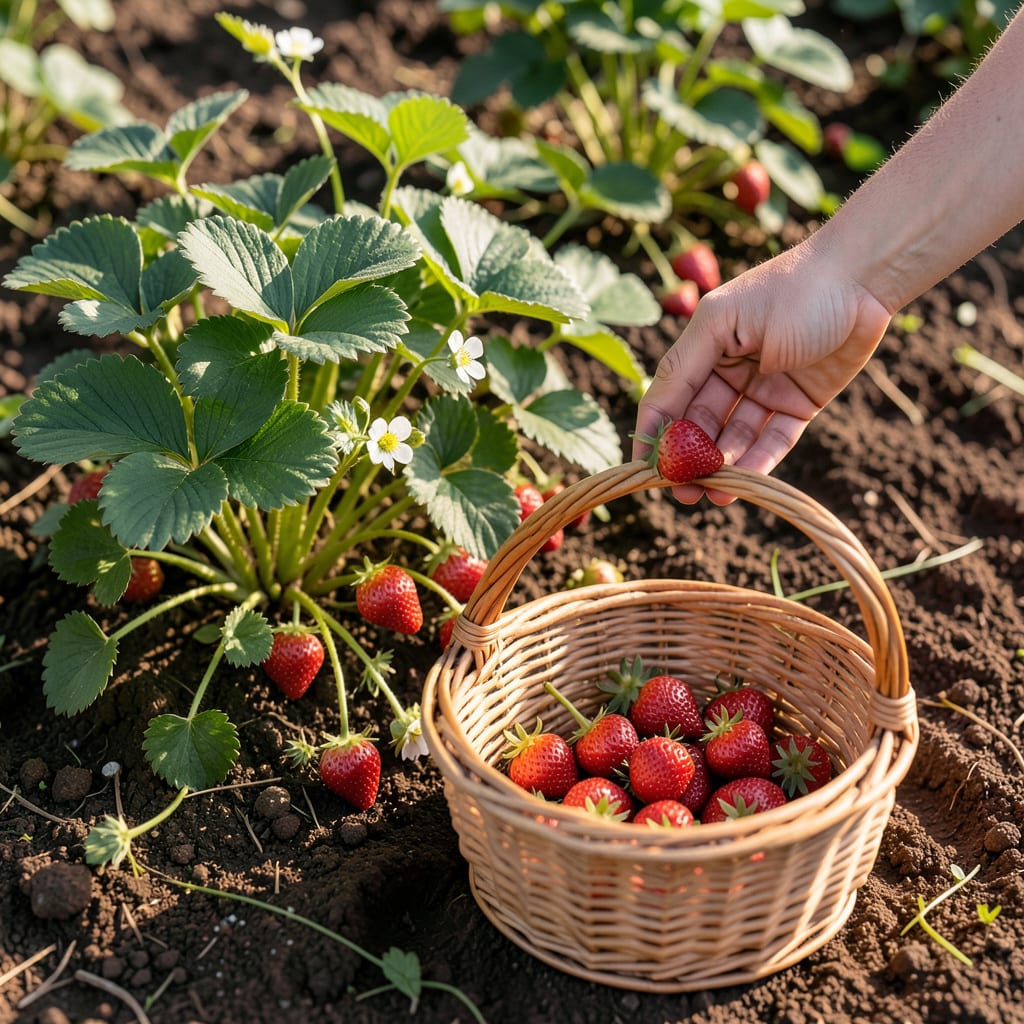
Nothing beats the taste of sun-ripened 🍓 Strawberry picked at peak sweetness. But timing is everything – too early and you get tart, too late and you risk overripe fruit.
I’ll show you exactly when to harvest for the juiciest flavor. Whether you’re in zone 6 or elsewhere, you’ll learn the key signals that your berries are ready.


Knowing when to pick strawberries is crucial for the best flavor. I look for deep red color and firm texture as the first signs. If the berry separates easily from the stem, it’s likely ready for harvest.
The green calyx (the leafy top) should look fresh, not wilted. I also check for a sweet aroma, which indicates peak ripeness. Size varies by variety, but most should be fully grown before picking.
| Signal | Ready-to-Harvest | Not Ready |
|---|---|---|
| Color | Uniform deep red | Green/white patches |
| Texture | Slightly soft to touch | Hard, no give |
| Aroma | Sweet fragrance | No smell or sour |
| Calyx | Fresh green leaves | Wilted or brown |
June-bearing strawberries typically ripen all at once, usually in early summer. I harvest these in one large batch when most berries show readiness. This type is perfect for jams or freezing.
Everbearing varieties produce multiple smaller harvests throughout the season. I check these plants every 2-3 days during peak production. They often yield fruit in spring and fall.
Day-neutral strawberries are my favorite for continuous harvests. These produce berries all season long as long as temperatures stay between 40-90°F. I find they’re ideal for container gardening.
I always harvest in the morning when berries are cool. This helps them retain freshness longer. Using sharp scissors or my fingernails, I snip the stem just above the berry to avoid damage.
Never pull berries directly from the plant, as this can damage the roots. I also avoid harvesting wet berries, as they’re more prone to mold and won’t store as well.
For the sweetest flavor, I let berries fully ripen on the plant. Unlike some fruits, strawberries don’t continue ripening after picking. So I wait until they’re completely red and slightly soft.
If I notice birds eyeing my crop, I use netting to protect the ripening fruit. This is especially important during peak harvest when the berries are most vulnerable to wildlife.
Timing your strawberry harvest depends heavily on your climate zone. In cooler zones like 3-4, I typically see harvests starting in late June and extending through July. Warmer zones like 8-9 often begin as early as April.
For June-bearing varieties, the harvest window is usually 2-3 weeks long. I always mark my calendar for this short but productive period. In zone 6, this often falls in early to mid-June.
| Zone | June-Bearing | Everbearing |
|---|---|---|
| 3-4 | Late June – July | July, Sept |
| 5-6 | Early June – July | June, Aug, Oct |
| 7-8 | May – Early June | May, July, Sept |
| 9-10 | April – May | April, June, Oct |
Everbearing strawberries produce multiple harvests per season. In zone 6, I typically get my first pick in early June, with additional harvests in late summer and fall. These are great for extended fresh eating.
Day-neutral varieties can produce continuously throughout the growing season in milder climates. In zone 6, I’ve had success harvesting from May through October. They thrive in containers on my patio.
I always adjust my harvest expectations based on the current weather. A warm spring may speed up ripening by 1-2 weeks, while a cool, wet season can delay it. I keep a close eye on the forecast and my plants. ☀️
For fall-planted strawberries, I expect the first harvest the following spring. This is especially true for June-bearing types. I
Even experienced gardeners can make mistakes with strawberry harvest timing. I’ve learned the hard way that picking too early results in tart, underripe berries. Waiting too long leads to mushy, overripe fruit that attracts pests.
Another common error is ignoring the weather forecast. I always check for rain in the next 24 hours before harvesting, as wet berries spoil faster and are more prone to mold growth. ✂️
Using dull scissors or tools can crush the delicate fruit. I always use sharp, clean scissors or pinch the stem with my fingernails for a clean break. This prevents bruising and extends shelf life.
I’ve also learned to handle picked berries with care. Rough handling causes bruising, which accelerates spoilage. I place them gently in a shallow container to avoid stacking and crushing.
Finally, I never leave harvested strawberries in direct sunlight. Even a few minutes of heat can cause them to soften and spoil quickly. I move them to a cool, shaded area immediately after picking.
By avoiding these 5 common mistakes, I’ve significantly improved both the quality and quantity of my strawberry harvests. 🌱
Check every 2-3 days for everbearing varieties. June-bearing types ripen all at once, so daily checks are best when they start turning red.
Always harvest in the morning when berries are cool and firm. This helps them retain freshness longer and prevents softening from midday heat.
Avoid picking wet berries, as moisture speeds up spoilage and mold growth. Wait until plants are dry, ideally 24 hours after rainfall.
Overripe berries become mushy, lose their bright color, and may have mold spots. They’ll also separate from the stem with almost no resistance.
