
Beautiful Plants For Your Interior
Beautiful Plants For Your Interior
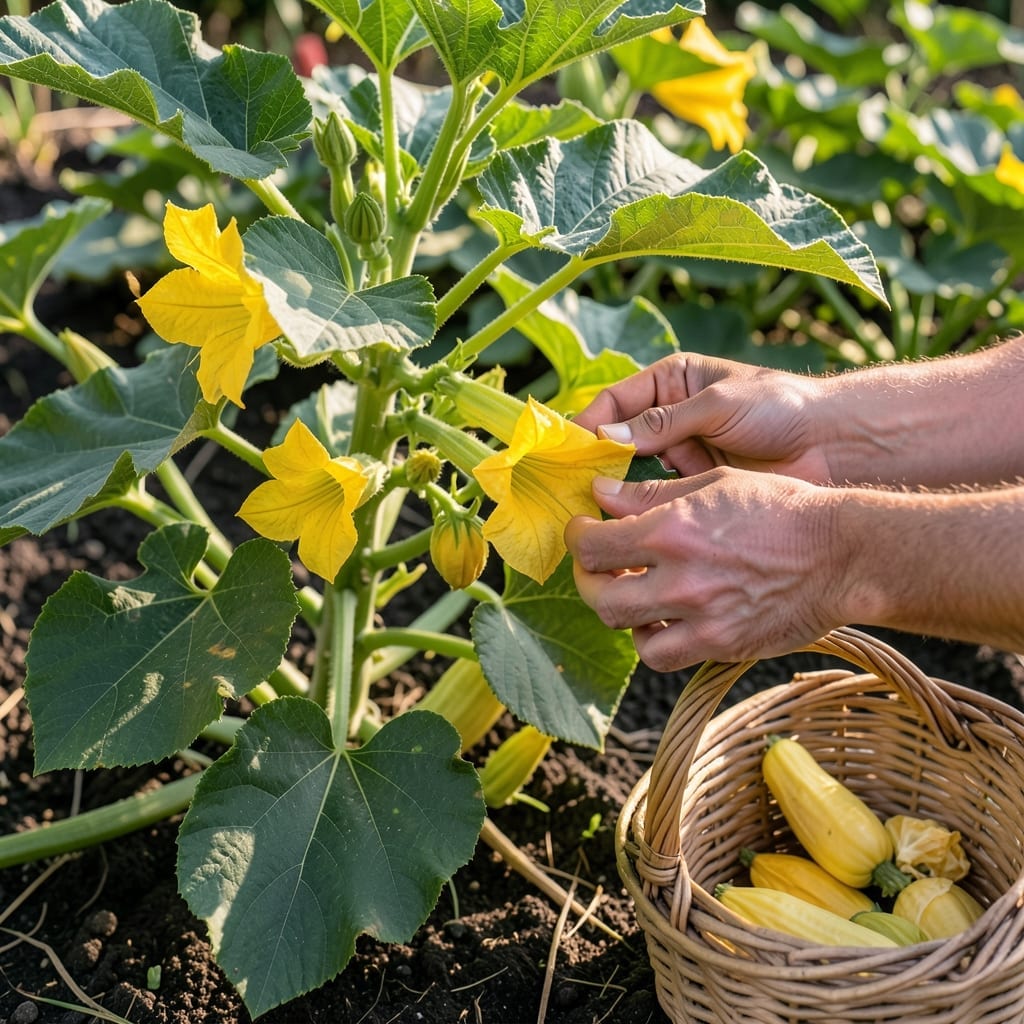
There’s a game-changer in your garden you might be overlooking. Those vibrant 🎃 Squash blossoms aren’t just pretty to look at—they’re a culinary treasure waiting to be harvested.
I’ve found that picking these edible flowers at the right moment makes all the difference. Too early or too late, and you miss out on their delicate flavor and tender texture.
What if I told you there’s a simple way to turn these garden ornaments into a gourmet ingredient? The timing and technique are everything when it comes to maximizing both flavor and yield.
Discover how to transform your Squash plants into a dual-purpose harvest. You’ll be amazed at how these blossoms can elevate your meals while encouraging more fruit production.
Timing is everything when harvesting squash blossoms. I’ve found that early morning is ideal because the flowers are fully open and fresh. This is when their flavor peaks and their texture is most tender.
You’ll want to focus on male flowers first, as they appear on long slender stems and don’t produce fruit. Female flowers, identifiable by the tiny squash at their base, should be harvested only if you have an abundance.
| Factor | Details |
|---|---|
| Best Time | Early morning, fully open |
| Male Flowers | Long stems, no fruit base |
| Female Flowers | Short stems, tiny squash at base |
| Season | June to September |
| Signs of Readiness | Vibrant color, firm stem |
The seasonal window for harvesting typically runs from June to September, depending on your climate. I always check for vibrant yellow or orange petals and a firm stem that snaps cleanly when bent.
Avoid harvesting closed buds or those with wilted petals, as these won’t have the same quality. Also, steer clear of blossoms with greenish hues or soft stems, as they’re not ready yet.
I’ve noticed that zucchini and summer squash produce the most blossoms, while winter squash varieties like butternut may yield fewer. Still, the same harvesting principles apply across all types.
If you’re growing squash in cooler climates, your harvesting window might start a bit later. In my experience, consistent warmth and full sun exposure encourage more blossoms to form.
Remember that over-harvesting can reduce your squash yield. I recommend leaving at least a few female flowers on the plant to ensure fruit development for later in the season.
Finally, check your plants daily during peak blooming periods. Squash blossoms only last one day, so timing your harvest is critical for the best results.
With these tips, you’ll be able to enjoy the freshest, most flavorful blossoms from your garden all season long 🌼
Harvesting squash blossoms requires a gentle touch and sharp eye. I always start by inspecting the male flowers first, as they appear on long, thin stems and don’t produce fruit. This leaves the female blossoms to develop into squash.
Use clean, sharp scissors or pruners to snip the stem just below the flower. Avoid pulling the blossoms, as this can damage the plant’s vines and reduce future yields.
After harvesting, I check the plant for stress. If the vines look wilted, I give them a deep watering to help them recover. This keeps the plant healthy and productive throughout the growing season.
I also make it a habit to harvest regularly, about every 2-3 days during peak blooming. This prevents overloading the plant and encourages more blossoms to form.
For best results, focus on young, tender blossoms. Older flowers can turn bitter or tough, which defeats the purpose of harvesting them for their delicate flavor.
Finally, always sanitize your tools between plants to prevent spreading diseases. A quick wipe with rubbing alcohol does the trick and keeps your garden thriving. ✂️