
Beautiful Plants For Your Interior
Beautiful Plants For Your Interior
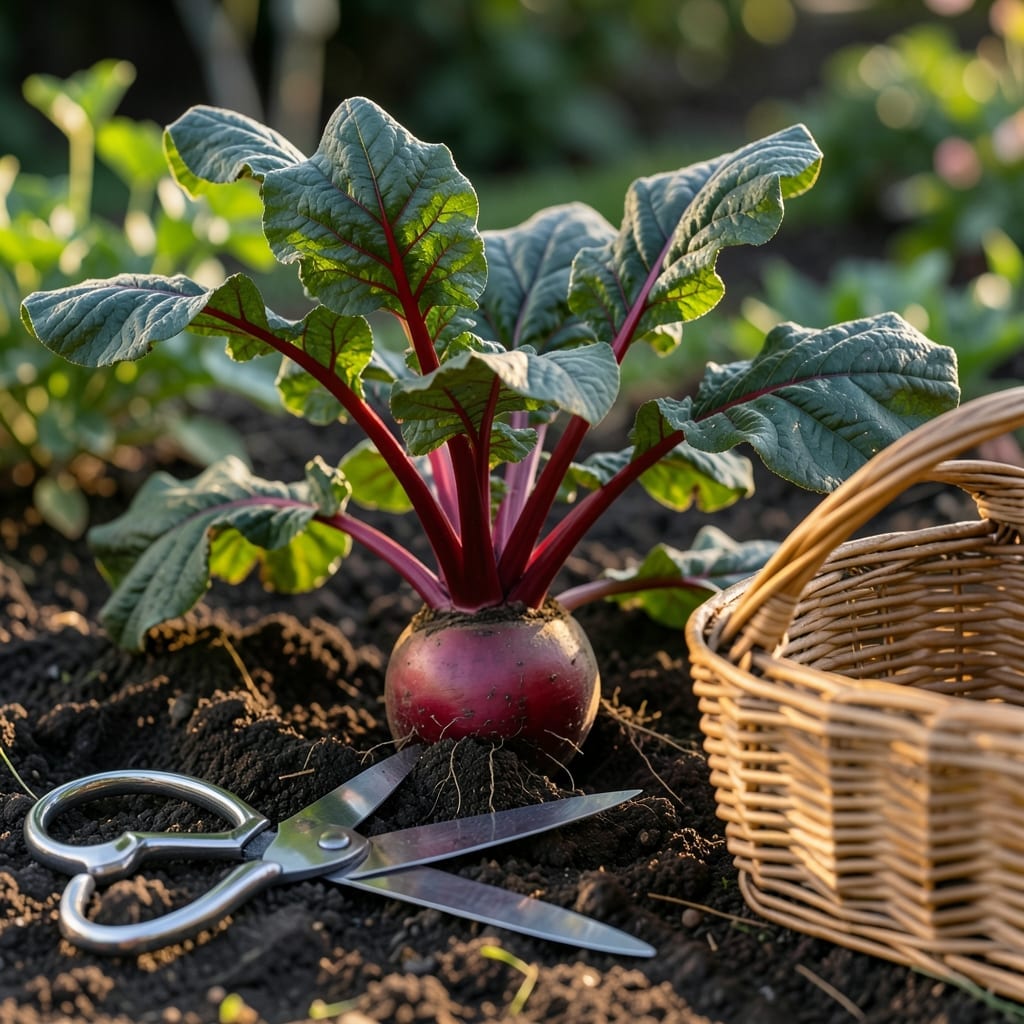
Don’t toss those beet greens! 🥬 Beet Greens are a nutritious, flavorful green that’s just as valuable as the root itself.
Knowing the right time and method to pick them ensures tender, sweet leaves while keeping your plants thriving. It’s a simple process that anyone can master.
I’ll show you exactly when to harvest for the best flavor and how to do it without harming your plants. These tips will help you get the most from your garden.
Discover how to enjoy continuous harvests and keep your Beet Greens producing all season long.

Timing is everything when it comes to harvesting beet greens. I’ve found that the best flavor and texture come when the leaves are 4-6 inches long. At this stage, they’re tender and sweet, not bitter or tough.
Beet greens can be harvested as early as 30 days after planting, but I recommend waiting until 50-60 days for the most nutrient-rich leaves. The plant should have at least 5-6 mature leaves before you start picking.
| Harvest Sign | Description |
|---|---|
| Leaf Size | Reaches 4-6 inches in length |
| Leaf Color | Dark green and vibrant |
| Stem Condition | Crisp and succulent |
| Plant Maturity | At least 5-6 mature leaves |
| Harvest Window | 30-60 days after planting |
If the leaves are small and pale, the plant isn’t ready. Wait until they’re vibrant green and firm to the touch. I also check the stems—they should snap easily when bent, a sign they’re succulent and fresh.
Seasonally, I harvest beet greens in spring and fall. In my USDA Zone 6a, the ideal months are May-June and October-November. Avoid harvesting during peak summer heat, as the leaves can turn bitter.
For continuous harvests, I pick the outer leaves first, leaving the center leaves to grow. This method encourages the plant to produce more foliage and extends the harvesting window.
I also watch for signs of stress, like wilting or yellowing leaves. If the plant looks unhealthy, I hold off on harvesting and check the soil moisture and sunlight exposure instead.
Another tip: Harvest in the morning when the leaves are at their most hydrated. This ensures the best texture and flavor. I use clean, sharp scissors to avoid damaging the plant.
If you’re growing beets primarily for greens, you can start harvesting young leaves earlier. However, if you also want the roots to mature, be mindful not to over-harvest and weaken the plant.
I’ve noticed that beet greens harvested at the right stage have a milder, sweeter taste compared to overmature leaves, which can be tough and bitter. So, keep an eye on your plants and harvest when they’re at their peak! 🌱
Harvesting beet greens properly keeps your plants healthy and encourages continuous growth. The key is using the right technique to avoid shocking the root system.
I always reach for sharp scissors or pruning shears to make clean cuts. This prevents tearing the leaves, which can invite disease and slow regrowth.
Timing matters too. I harvest in the early morning when leaves are most hydrated and flavorful. This small detail makes a noticeable difference in texture.
After cutting, I inspect the plant for pests or damage. Removing any affected leaves immediately prevents problems from spreading to the rest of the plant.
With these simple steps, you’ll enjoy multiple harvests from each beet plant. The greens regrow quickly when treated with care. ✂️
Remember, consistent watering after harvesting helps your beets recover faster. Aim for 1 inch per week to support new leaf production. 💧