
Beautiful Plants For Your Interior
Beautiful Plants For Your Interior
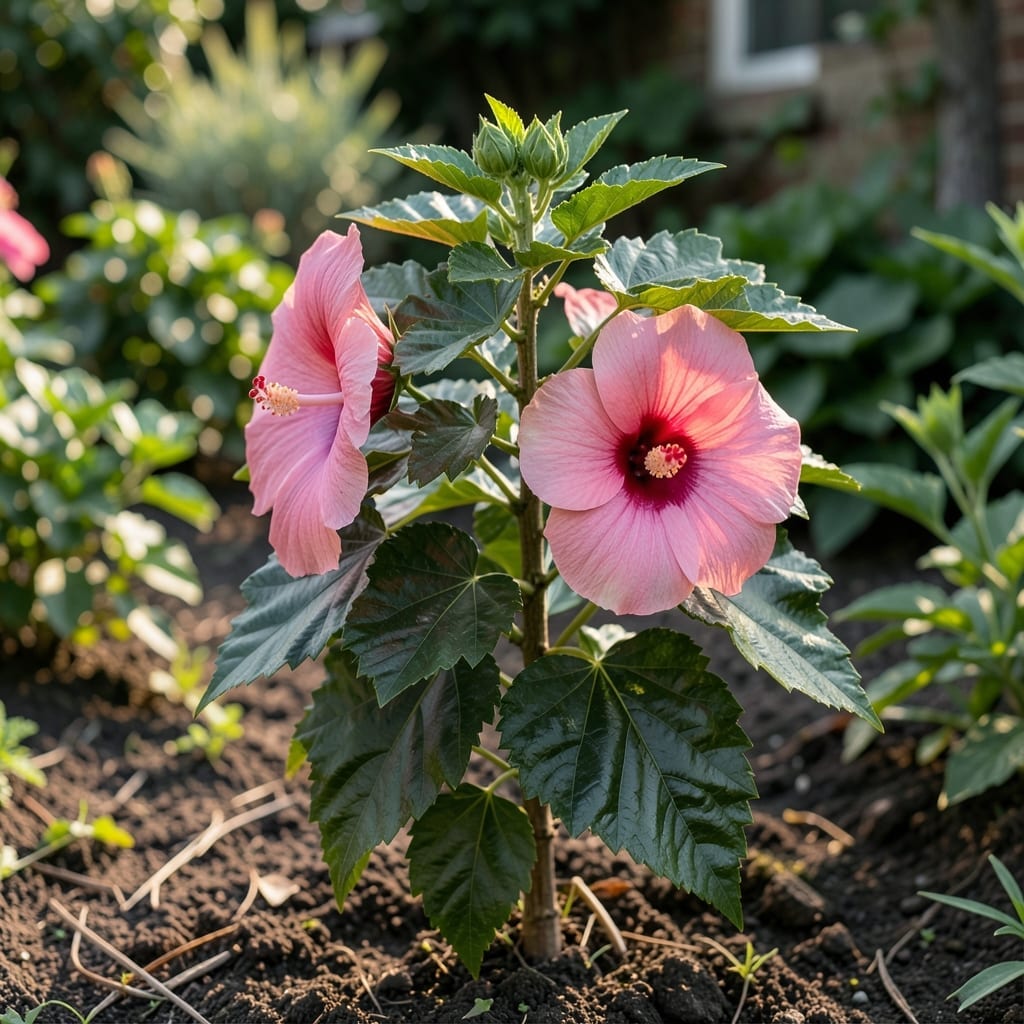
Growing Hardy Hibiscus 🌺 in Zone 4 might seem like a challenge, but I’ve seen these beauties thrive with just a little extra care. The secret lies in understanding their needs during those harsh winters.
If you’ve ever admired their massive, vibrant blooms but hesitated to plant them in colder climates, this is your sign to give it a try. With the right approach, they can survive and even flourish.
I’ll walk you through key strategies for planting, protecting, and nurturing these perennials so they return year after year. No more guessing—just proven methods.
Discover how to turn your garden into a stunning display, even when the temperatures drop. Let’s make it happen together.
Overwintering hardy hibiscus in Zone 4 requires extra care. These perennials can survive sub-zero temperatures, but their roots need protection from freezing. I’ve found that proper preparation in fall makes all the difference.
Start by cutting back the stems to 6 inches after the first frost. This prevents wind damage and reduces stress on the plant. Next, focus on insulating the root system to shield it from harsh winter conditions.
Applying a 4-6 inch layer of mulch is critical. I recommend using straw or shredded leaves to create a barrier against freezing temperatures. This mulch will also help retain moisture in the soil during winter thaws.
For added protection, wrap the base of the plant with burlap or frost cloth. This shields the crown from icy winds and temperature fluctuations. I’ve seen this method save plants that would otherwise struggle in Zone 4 winters.
Watering deeply before the ground freezes is another key step. Hydrated roots are more resilient to cold. However, avoid watering once the soil is frozen, as this can lead to root rot.
Resist the urge to prune in the fall. While it might seem tidy, fall pruning can stimulate new growth that won’t survive the winter. Instead, wait until early spring to prune any dead or damaged stems.
In early spring, remove the mulch gradually as temperatures rise. This allows the plant to acclimate to warmer conditions without shocking its system. I usually start removing mulch in late March or early April, depending on the weather.
If you’re growing hardy hibiscus in containers, consider moving them to a sheltered location like a garage or shed. Containers are more exposed to freezing temperatures, so extra insulation is necessary for survival.
Monitoring weather forecasts is essential. If a hard freeze is predicted, add extra mulch or temporary covers. Hardy hibiscus can handle cold, but extreme conditions may require additional protection.
With these steps, your hardy hibiscus will not only survive but thrive in Zone 4. I’ve seen these plants bounce back year after year with vibrant blooms, proving that a little extra care goes a long way. ☀️
Choosing the right hardy hibiscus for Zone 4 is crucial. Not all varieties can handle the cold, but some are bred for resilience. I’ve tested several and found that the best ones combine cold tolerance with stunning blooms.
Look for cultivars known to survive sub-zero temperatures without extensive protection. These plants often have deep root systems that help them endure harsh winters. The right variety will reward you with vibrant flowers year after year.
| Variety | Bloom Color | Mature Height | Cold Hardiness |
|---|---|---|---|
| Summer Storm | Pink with Red Eye | 4-5 ft | Down to -30°F |
| Lord Baltimore | Bright Red | 4-5 ft | Down to -25°F |
| Kopper King | Pink with Purple Eye | 3-4 ft | Down to -30°F |
Summer Storm is a favorite for its large, pink blooms and exceptional cold tolerance. It’s a reliable choice for Zone 4 gardens, as it can handle temperatures as low as -30°F without issue.
Lord Baltimore stands out with its vivid red flowers, adding a bold pop of color to your garden. It’s slightly less cold-hardy than Summer Storm but still thrives in Zone 4 with proper winter care.
Kopper King offers unique pink blooms with purple centers and striking copper-colored foliage. Its compact size makes it ideal for smaller gardens, and it’s just as tough as Summer Storm in cold climates.
When planting, space these varieties 3-4 feet apart to allow for their mature size. I’ve found that well-draining soil and full sun exposure help them establish quickly and bloom abundantly. 🌺