
Beautiful Plants For Your Interior
Beautiful Plants For Your Interior
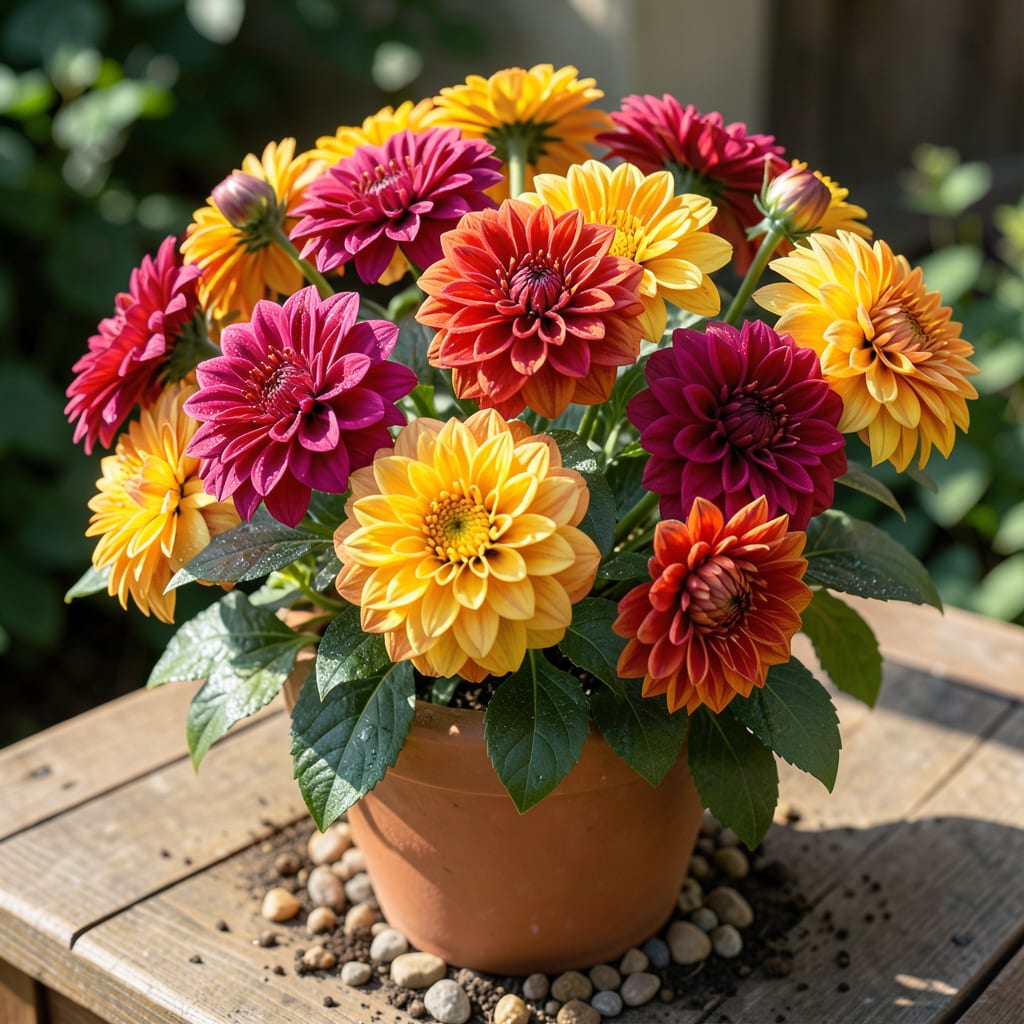
This dahlia variety delivers pure joy with its bright yellow blooms. I planted my first tubers last spring and couldn’t believe how quickly they transformed my garden into a sunny paradise.
They thrive in full sun with well-draining soil and minimal fuss. By mid-summer, you’ll have armfuls of cheerful flowers that keep coming until frost. Here’s how to grow your own.
📚 In This Guide
This method delivers bold, cheerful blooms that keep coming all season long.
Select a location with full sun—at least 6-8 hours of direct sunlight daily is critical for vibrant, abundant flowers. Happy Go Lucky dahlias thrive in well-draining soil, so avoid low spots where water pools. I always test drainage by digging a 1-foot deep hole and filling it with water. If it drains within 1 hour, you’re good to go.
Work the soil to a depth of 12 inches, removing rocks and breaking up clumps. Mix in 2-3 inches of compost to improve fertility and structure. This step ensures roots can spread easily and access nutrients. If your soil is heavy clay, consider planting in raised beds or containers for better results.
Plant tubers in spring after the last frost when soil temperatures reach 60°F. Dig a hole 6-8 inches deep and place the tuber horizontally with the eye (the small bud) facing upward. Space tubers 18-24 inches apart to give each plant room to grow and prevent overcrowding.
Cover the tuber with 2-3 inches of soil initially, then gradually fill the hole as the plant grows. Water lightly after planting to settle the soil, but avoid overwatering—tubers will rot in soggy conditions. I mark the planting spot with a stake so I don’t accidentally disturb it while waiting for sprouts.
Water deeply 2-3 times per week, ensuring the soil stays evenly moist but not waterlogged. Once the plant reaches 1 foot tall, reduce watering to once a week unless the weather is extremely hot or dry. Dahlias are somewhat drought-tolerant once established, but consistent moisture leads to the best blooms.
Install stakes or a support system when planting to avoid damaging tubers later. Happy Go Lucky dahlias can grow 3-4 feet tall, so sturdy stakes or a tomato cage are essential. Tie stems to the support with soft garden twine as they grow to keep them upright, especially during wind or heavy rain.
Feed plants with a low-nitrogen, high-phosphorus fertilizer (like 5-10-10) every 3-4 weeks during the growing season. This encourages strong root development and prolific flowering. I apply fertilizer around the base of the plant and water it in thoroughly to prevent burning the roots.
Deadhead spent blooms regularly by cutting the stem back to the next set of leaves or side bud. This not only keeps the plant looking tidy but also stimulates more flower production. Watch for blooms to fade and remove them promptly—you’ll see new buds forming within a week of deadheading.
After the first frost kills the foliage, cut back the stems to 4-6 inches above the ground. Dig up the tubers carefully, using a garden fork to avoid piercing them. Brush off excess soil and let them dry in a well-ventilated area for 2-3 days.
Store tubers in a cool, dark place (around 40-50°F) in a box filled with slightly damp peat moss or sand. Check them monthly for signs of rot or shrinking. With proper care, your Happy Go Lucky dahlias will return next year, ready to bring their cheerful color back to your garden.
Small touches make the difference between lackluster blooms and a garden bursting with color.
Sunlight Secret: Those 6-8 hours of direct sunlight daily aren’t just a suggestion—they’re critical for vibrant, abundant blooms. I learned this the hard way when my first planting spot got afternoon shade. The difference in flower production was shocking. Use a sunlight calculator app to track your garden’s sun exposure if you’re unsure.
Soil Preparation Tip: When testing drainage in Step 1, don’t rush the process. That 1-foot deep hole needs to drain completely within 1 hour, not just partially. If water remains after an hour, consider amending the soil with more compost or building a raised bed. The 12-inch soil preparation depth is equally important—shallow prep leads to weak root systems.
Planting Depth Matters: The 6-8 inch planting depth in Step 2 might seem deep, but it’s perfect for protecting tubers from temperature fluctuations. Place them horizontally with the eye facing up—this orientation gives roots the best chance to spread outward. And that 18-24 inch spacing? It prevents plants from competing for nutrients and allows air circulation to ward off diseases.
Watering Wisdom: The shift from 2-3 times weekly to once a week watering when plants reach 1 foot tall is deliberate. Overwatering at this stage leads to weak stems and fewer blooms. I use the finger test: stick your finger 2 inches into the soil—if it’s dry, it’s time to water. And always water deeply at the base, not from above, to keep foliage dry and prevent fungal issues.
Keep them in well-draining soil with full sun. Water deeply 2-3 times a week, avoiding overhead watering. Deadhead spent blooms to encourage more flowers, and stake tall varieties for support.
Plant tubers in spring after the last frost, when soil temperatures reach 60°F. In warmer climates, you can plant in early fall for a second bloom season.
Try zinnias, cosmos, or sunflowers for similar vibrant, cheerful blooms. These are also low-maintenance and attract pollinators like bees and butterflies.
Check for insufficient sunlight, over-fertilizing (especially with nitrogen), or poor soil drainage. Ensure they’re not overcrowded and receive consistent watering.
Yes! Use a large pot (at least 12 inches deep) with good drainage. Dwarf varieties work best. Keep soil moist and place the container in a sunny spot.
