
Beautiful Plants For Your Interior
Beautiful Plants For Your Interior
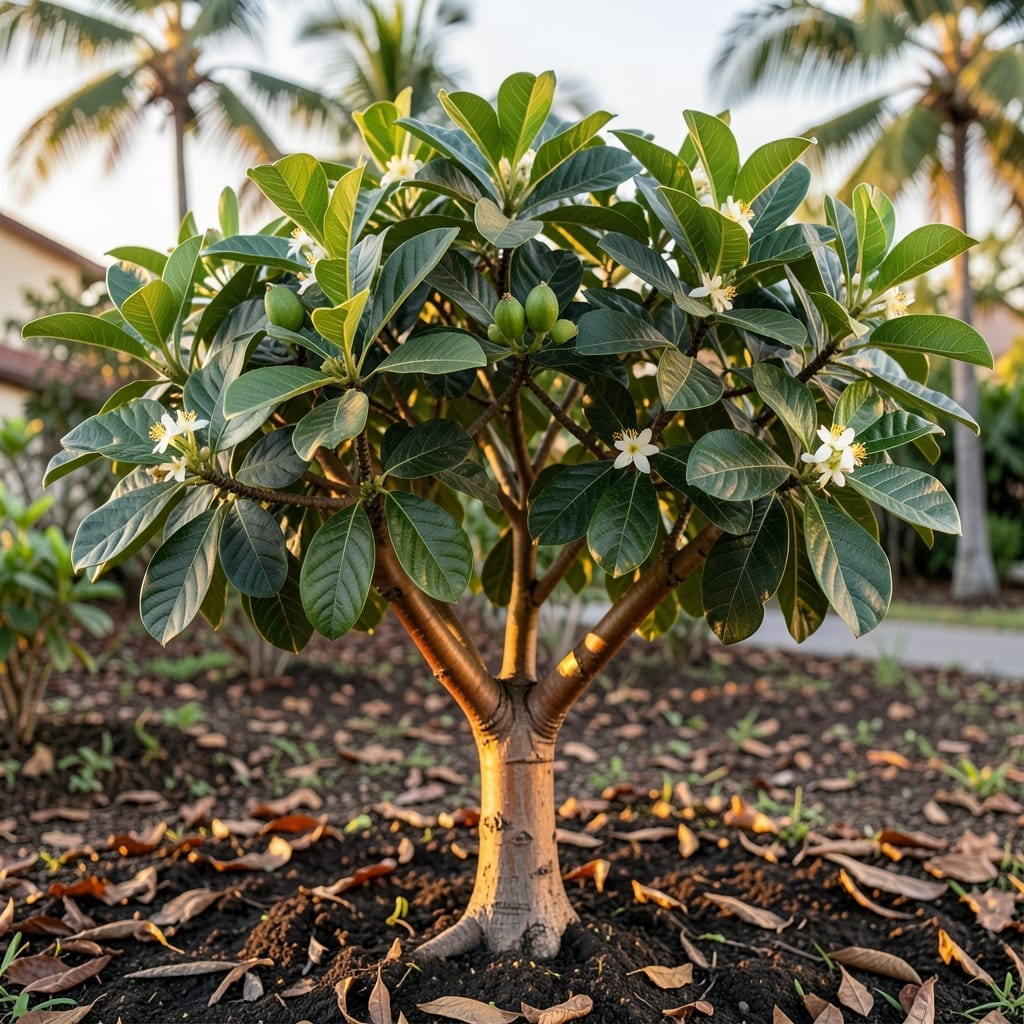
Watching a guava 🥭 flower transform into ripe, fragrant fruit is one of the most rewarding experiences for any gardener. There’s something magical about nurturing that process from start to finish.
Understanding this journey ensures you’ll get a bountiful harvest of sweet, juicy guavas every season. It’s not just about planting and waiting – there’s a science to it.
I’ve learned that timing and care make all the difference during this critical transformation. From proper pollination to ideal growing conditions, each step matters.
Discover how to support your tree through each stage, from delicate blossoms to ready-to-pick fruits. Let me walk you through what works best.
Watching your guava tree transition from delicate white flowers to plump, fragrant fruit is fascinating. This journey typically spans 90 to 150 days, depending on your climate and tree variety. Each stage brings visible changes that signal progress.
I love checking my trees daily to spot the first signs of fruit formation. The process begins with pollination, where bees and wind play crucial roles in transferring pollen between blooms. Without this step, your guava flowers won’t set fruit.
| Stage | Duration | Key Changes |
|---|---|---|
| Flowering | 1-2 weeks | White blooms appear, attracting pollinators |
| Fruit Set | 2-4 weeks | Small green fruits form at flower base |
| Growth Phase | 6-12 weeks | Rapid enlargement, still green and firm |
| Ripening | 2-4 weeks | Color change to yellow/pink, softens |
During the flowering stage, your guava tree produces clusters of 1-inch white flowers with numerous stamens. These blooms are incredibly fragrant, often filling my garden with a sweet scent that lingers all day.
The fruit set stage is critical. After successful pollination, you’ll notice tiny green guavas emerging where flowers were. I always celebrate this moment because it confirms my tree is on its way to producing fruit.
In the growth phase, your guavas will expand rapidly. At this point, they’re still hard and green, but you’ll see them grow from the size of a marble to nearly their full size. Consistent watering and nutrient supply are vital here.
As ripening begins, the magic happens. The color shifts from green to yellow, pink, or even red, depending on the variety. The fruit also becomes softer and develops that signature guava fragrance. This is when I start checking daily for the perfect harvest moment.
Remember that temperature and humidity can speed up or slow down this timeline. In warmer climates like mine in USDA Zone 9b, guavas often mature faster. Cooler areas may extend the process by a few weeks.
I’ve found that regular monitoring helps me catch any issues early. Look for signs of pest damage or disease during each stage. Healthy leaves and stems support the best fruit development, so keep your tree in top condition.
Finally, be patient. The wait from guava flower to fruit is worth it when you taste that first homegrown guava. The sweet, tropical flavor makes all the care and attention worthwhile.
🌿Once your guava flowers start developing into fruit, proper care is crucial. I focus on consistent watering and balanced fertilization to support this delicate phase. Morning watering prevents fungal issues while ensuring deep root hydration.
For fertilization, I use a high-potassium formula every 4-6 weeks during the growing season. This boosts fruit development and enhances sweetness. Avoid over-fertilizing, which can cause flower drop or poor fruit set.
I’ve found that mulching with organic matter helps maintain soil temperature and moisture. A 2-3 inch layer of straw or wood chips works wonders. This also suppresses weeds that compete for nutrients.
Pruning plays a key role too. I remove dead or crowded branches to direct energy toward fruit production. Always use clean, sharp tools to prevent disease spread. ✂️
Pest control is non-negotiable. I inspect my trees weekly for fruit flies or scale insects. Neem oil sprays work well as a natural deterrent without harming beneficial insects.
Finally, protect developing fruit from sunburn or physical damage. In extreme heat, I use shade cloth for young trees. The reward? Plump, fragrant guavas ready for harvest. 🌳