
Beautiful Plants For Your Interior
Beautiful Plants For Your Interior
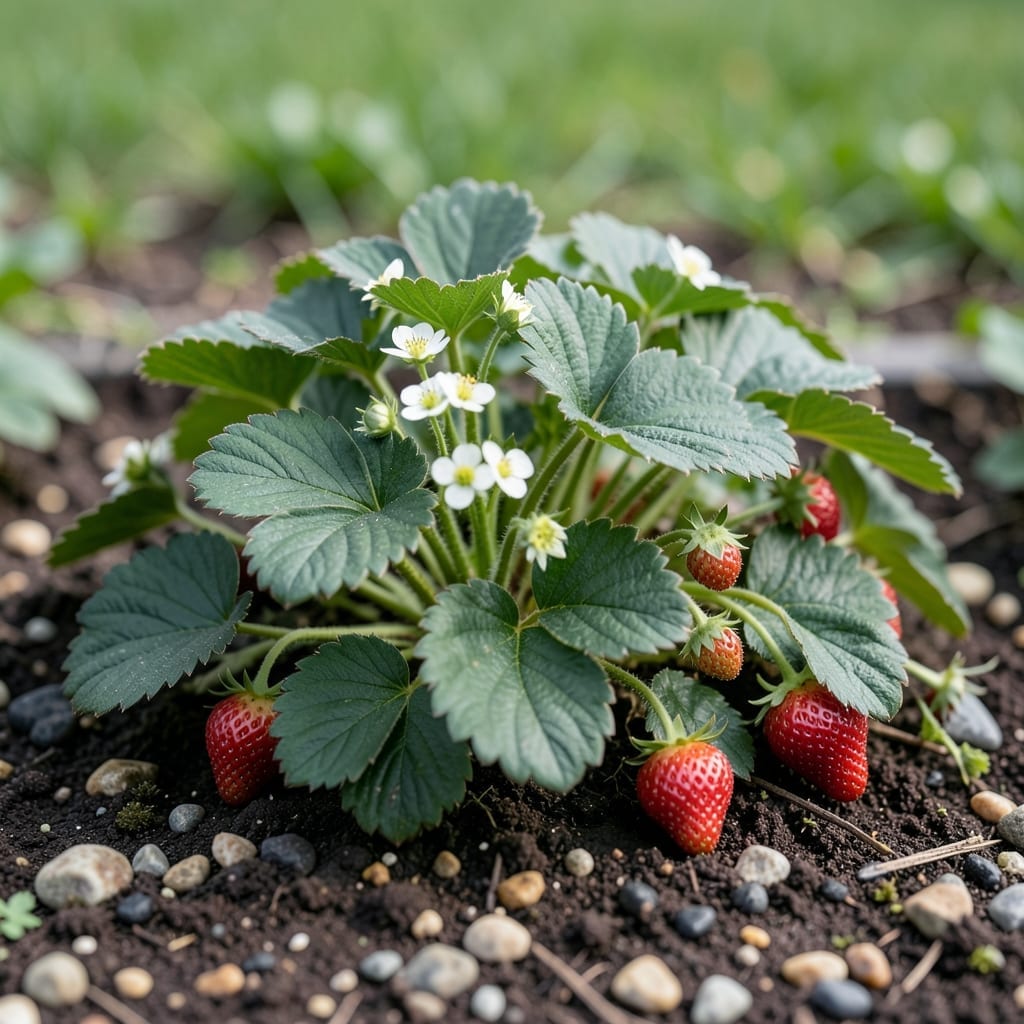
Wisconsin’s cold winters and humid summers can seem daunting for growing 🍓 Strawberry plants. Yet these conditions create the perfect opportunity for sweet, abundant harvests when you know the right approach.
I’ve learned that timing and variety selection are the key to success in Zone 4a-5b. The right strategies turn these seasonal challenges into advantages for your garden.
Whether you’re just starting or have years of experience, mastering these techniques will transform your results. The difference between struggling and thriving often comes down to a few simple adjustments.
Discover how to work with Wisconsin’s unique climate to enjoy plentiful, delicious strawberries every year. It’s easier than you might think.
Wisconsin’s Zone 4 climate demands cold-hardy strawberry varieties that can withstand freezing winters and thrive in humid summers. The right selection ensures abundant harvests and minimal winter damage. 🌱
For June-bearing strawberries, I recommend ‘Honeoye’ for its disease resistance and early harvests. It’s a top performer in Wisconsin’s unpredictable springs. 🌿
| Variety | Type | Yield | Hardiness | Best For |
|---|---|---|---|---|
| Honeoye | June-bearing | Heavy | Zone 3-7 | Early harvests |
| Sparkle | June-bearing | Moderate | Zone 4-8 | Flavor & cold tolerance |
| Albion | Day-neutral | Continuous | Zone 4-8 | Extended harvest |
| Seascape | Everbearing | Heavy | Zone 4-8 | Late season |
‘Sparkle’ is another excellent June-bearing choice, prized for its exceptional flavor and winter hardiness. It tolerates Wisconsin’s cold snaps better than many other varieties. 🌻
For continuous harvests, ‘Albion’ day-neutral strawberries produce fruit all season long. They’re perfect for gardeners who want steady yields without a single large harvest. ✂️
‘Seascape’ everbearing strawberries are ideal for late-season production. They handle Wisconsin’s humidity well and resist common fungal diseases like gray mold.
I’ve found that June-bearing types like ‘Honeoye’ and ‘Sparkle’ perform best when planted in early spring, right after the last frost date (typically May 15 in most of Wisconsin).
For day-neutral varieties like ‘Albion’, you can plant in spring or early fall. They’ll produce multiple harvests per year, but need consistent watering in summer. 💧
If you prefer organic gardening, all these varieties respond well to compost-enriched soil. I always add 2-3 inches of mulch to protect roots from winter freezes and summer heat.
Remember, soil pH is crucial for strawberries. Aim for 5.5–6.5 for optimal growth. A simple soil test kit can save you from nutrient deficiencies later.
With the right variety and care, you’ll enjoy sweet, juicy strawberries from June through July—and sometimes even longer with day-neutral types. 🌿
Planting strawberries in Wisconsin starts with soil prep. Aim for a pH of 5.5–6.5 and work in compost for nutrients. This foundation sets the stage for healthy growth and bountiful harvests. 🌱
I always plant after the last frost, typically mid-May, when soil is workable. Space plants 12–18 inches apart in rows 2–3 feet apart to ensure good airflow and reduce disease risk. This spacing prevents overcrowding as they spread. 🌿
Mulching is non-negotiable in Wisconsin. Use straw or pine needles to protect plants from freeze-thaw cycles in winter and retain moisture in summer. This simple step can make or break your harvest. ✂️
Watering consistently is key—1–1.5 inches per week keeps soil moist but not soggy. I water in the early morning to allow foliage to dry, reducing fungal risks like gray mold. Drip irrigation works best for even coverage. 💧
For pest control, I rely on organic methods. Beer traps work wonders for slugs, while neem oil deters aphids. Regularly inspect leaves for signs of trouble and act quickly to prevent outbreaks. 🪴
Finally, renovate June-bearing plants after harvest by mowing foliage and thinning crowns. This rejuvenates the patch for next year’s crop. With these steps, you’ll enjoy sweet, plentiful strawberries season after season. 🌻