
Beautiful Plants For Your Interior
Beautiful Plants For Your Interior
That first whiff of fresh rosemary from your own patio pot changes everything. I remember cutting sprigs from my container-grown plant for the first time—woodsy, piney, impossibly fragrant—and realizing store-bought bundles couldn’t compare. Rosemary thrives in pots when you give it what it actually wants: conditions that mimic its native Mediterranean home. Here’s the thing—most […]
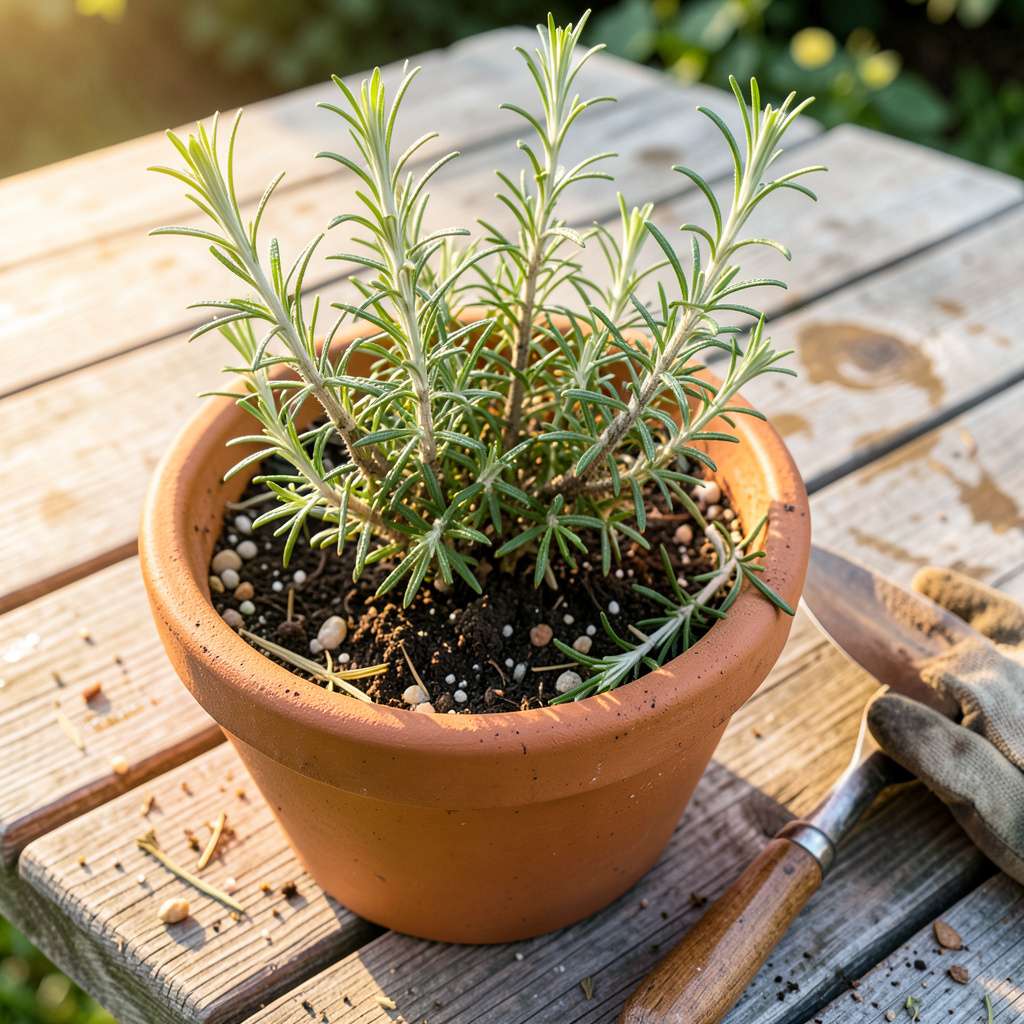
That first whiff of fresh rosemary from your own patio pot changes everything. I remember cutting sprigs from my container-grown plant for the first time—woodsy, piney, impossibly fragrant—and realizing store-bought bundles couldn’t compare. Rosemary thrives in pots when you give it what it actually wants: conditions that mimic its native Mediterranean home.
Here’s the thing—most people kill rosemary with kindness. Too much water, not enough sun, the wrong soil mix. My early attempts ended with yellowed needles and sad, drooping stems. Then I learned the simple rules: terracotta pots for breathability, fast-draining soil with sand or grit, and a sunny spot that gets 6+ hours of light daily. Suddenly, my plants became the envy of the neighborhood.
You’ll watch woody stems develop within months, with new growth that’s ready for harvesting. The plants become drought-tolerant once established, and that signature aroma intensifies with each passing season. I’ve had the same potted rosemary plant for five years now—it just keeps getting better with age, like a fine wine but with more practical kitchen uses.
Whether you’re working with a tiny balcony or a sprawling patio, this method adapts. The key is starting with the right foundation (we’ll cover that first) and then mostly leaving the plant alone to do its thing. Rosemary doesn’t want fussing—it wants to grow.
📚 In This Guide
Let me share the foolproof method I’ve used for years to keep potted rosemary thriving through every season.
Choose a terracotta pot at least 12 inches in diameter with multiple drainage holes—rosemary despises wet roots. The porous clay helps wick away excess moisture, which is critical for preventing root rot. I’ve found that darker pots absorb too much heat in summer, so stick with unglazed natural terracotta.
Position your pot where it will receive 6-8 hours of direct sunlight daily. A south-facing location is ideal, but west-facing works if it gets strong afternoon sun. Without sufficient light, rosemary becomes leggy and loses its robust flavor. You’ll know it’s getting enough sun when the new growth is compact and deeply fragrant.
Rosemary requires exceptionally well-draining soil with a slightly alkaline pH (6.0-7.0). Create your mix by combining 60% cactus/succulent potting mix with 40% perlite or coarse sand. This mimics the rocky, arid conditions rosemary thrives in naturally.
Avoid any soil containing moisture-retaining crystals or peat moss—these hold too much water. I add a tablespoon of crushed eggshells to the mix for calcium and to gently raise the pH. Fill the pot to about 1 inch below the rim to allow for watering without overflow.
If starting with a nursery plant, gently remove it from its container and loosen the root ball. Position it in the pot so the soil line matches where it was previously growing—burying the stem too deep can cause rot. For cuttings, strip the lower leaves and plant the stem 2-3 inches deep in your prepared mix.
Water thoroughly immediately after planting until you see moisture running from the drainage holes. This initial deep watering helps settle the soil around the roots. Don’t fertilize at planting—wait until you see new growth (about 4-6 weeks) before applying a diluted, balanced fertilizer.
This is where most people fail with rosemary: water only when the top 2 inches of soil are completely dry. In hot weather, this might mean watering every 3-5 days; in cooler months, every 7-10 days. Stick your finger in the soil—if it feels dry and crumbly, it’s time to water.
When you do water, soak the pot until water runs freely from the bottom, then empty the saucer immediately. Rosemary’s roots need the cycle of wet and dry to develop properly. You’ll notice the leaves become slightly more flexible when the plant needs water, then perk up within hours of proper watering.
Begin regular pruning once your plant reaches 6-8 inches tall. Use clean, sharp pruners to remove no more than one-third of the plant at a time. Always cut just above a leaf node where new growth can emerge. I prune in early spring to encourage bushiness, then lightly throughout the growing season.
Never prune into old, woody stems—rosemary won’t regrow from bare wood. The best time to harvest is in the morning after the dew has dried but before the heat of the day. Regular pruning not only gives you fresh herbs but prevents the plant from becoming woody and unproductive over time.
After years of growing rosemary in containers, I’ve learned these essential lessons that make all the difference between a struggling plant and a flourishing herb garden.
Sunlight Strategy: The 6-8 hours of direct sunlight mentioned in Step 1 isn’t just important—it’s absolutely critical. I’ve noticed rosemary that gets morning sun only (without strong afternoon light) tends to grow taller but with weaker stems. If your patio doesn’t get full sun, consider supplementing with a grow light for 4-6 hours daily. The difference in aroma and growth density is remarkable when light requirements are fully met.
Watering Wisdom: That 2-inch dry soil rule from Step 4 is your best friend, but here’s what nobody tells you—rosemary leaves actually change texture when thirsty. They become slightly softer and less rigid to the touch. I check my plants in late afternoon when the soil is driest. When you water, make sure to soak until water runs from the drainage holes, then wait until the saucer is completely empty before returning the pot to its spot. This prevents any moisture from being reabsorbed.
Pruning Precision: When you reach the 6-8 inch height in Step 5, don’t be afraid to prune aggressively. I remove up to one-third of the plant’s volume in early spring, focusing on the longest stems to encourage bushier growth. Always make your cuts just above a leaf node where two small leaves emerge—this is where new branches will form. The morning after pruning, you’ll often see the cut areas already starting to heal.
Seasonal Adjustments: Rosemary’s water needs change dramatically with the seasons. During summer’s 3-5 day watering cycle, I water in the early morning so the plant can absorb moisture before the heat evaporates it. In winter, when you’re watering every 7-10 days, move your pot to the sunniest spot available and consider wrapping the pot in bubble wrap on nights when temperatures drop below 30°F to protect the roots from freezing.
Rosemary thrives in dry conditions, so water only when the top 1-2 inches of soil feel dry. Typically, this means every 1-2 weeks, but adjust for humidity and pot size. Overwatering causes root rot—when in doubt, wait! A terracotta pot helps wick away excess moisture.
Yes! Place it near a south-facing window for 6+ hours of sunlight daily. Use a grow light if natural light is weak. Keep indoor temps between 60–75°F and ensure airflow to prevent mildew. Rotate the pot weekly for even growth.
From seeds: Germination takes 2–4 weeks, and plants mature in 6–12 months. From cuttings: Roots form in 3–6 weeks, with harvestable sprigs in 3–4 months. Cuttings are faster and clone the parent plant’s flavor!
Yellow leaves = overwatering or poor drainage. Brown tips = underwatering or low humidity. Check soil moisture and trim affected areas. If pests (like spider mites) are present, wipe leaves with neem oil or insecticidal soap.
Start with a 10–12 inch pot (5+ gallons) to accommodate roots. Rosemary grows slowly but needs room—upgrade every 2–3 years. Ensure drainage holes are present, and use a well-draining mix (add perlite or sand to potting soil).
Growing rosemary in pots is a simple, rewarding way to bring fresh flavor and fragrance to your home—even with limited space. 🌿 With the right container, sunlight, and care, this hardy herb will thrive year-round, offering endless culinary and aromatic benefits. Whether you’re a beginner or a seasoned gardener, success starts with patience and these key steps.
Ready to get started? Pick up a pot, grab a rosemary cutting or seedling, and let your patio herb garden begin! For extra confidence, bookmark this guide or share your progress with fellow plant lovers—happy growing! ✨
