
Beautiful Plants For Your Interior
Beautiful Plants For Your Interior
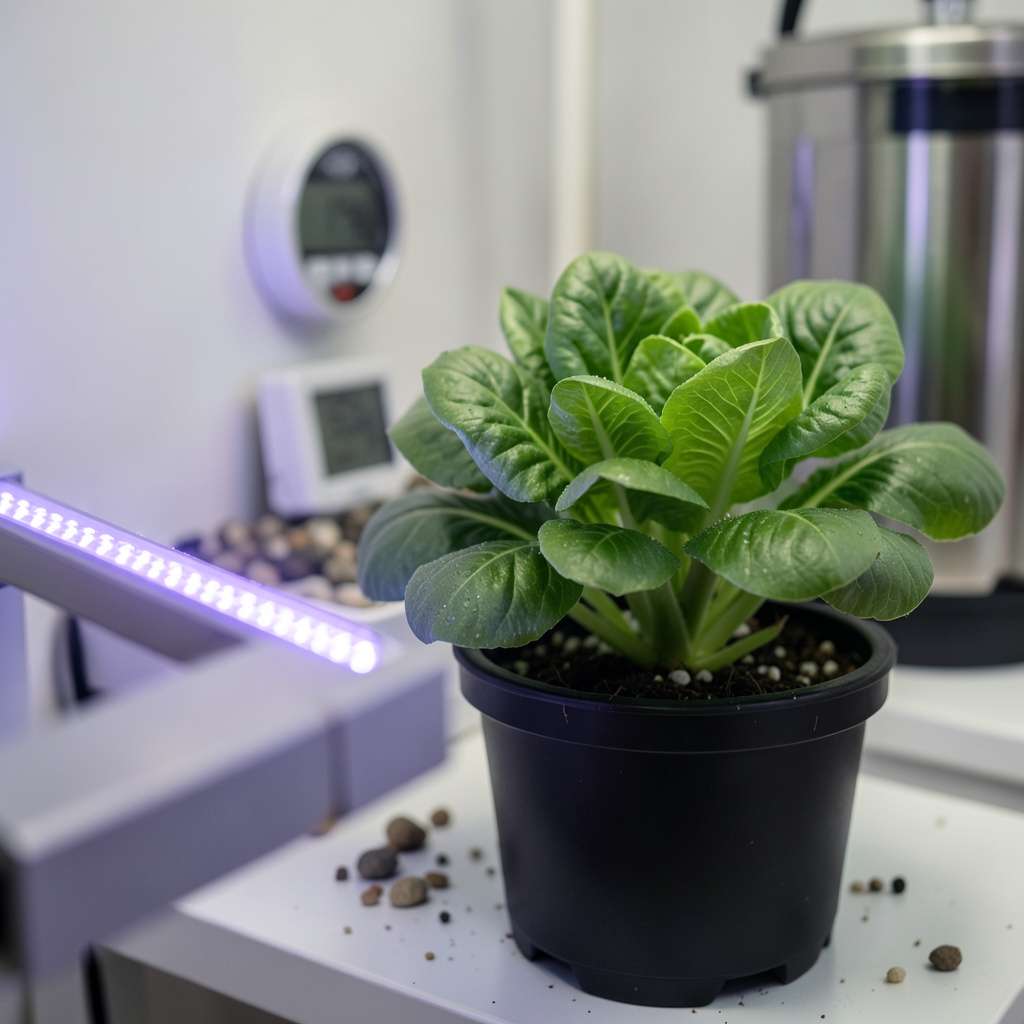
UV light can boost plant growth by increasing resin production and disease resistance, but excessive exposure may cause leaf burn or stunted growth. Use UV-B sparingly (2-4 hours daily) alongside full-spectrum LEDs for best results in indoor gardens.
I’ve found that introducing UV light to indoor gardens mimics the natural stress responses plants develop outdoors. 🌱 This controlled stress actually triggers beneficial changes—like thicker cuticles and increased antioxidant production—without overwhelming the plants. Think of it as giving your plants a “workout” that builds their resilience. The key is balance: too little means missed benefits, while too much can damage delicate tissues faster than you’d expect.
From my experience, hardy plants like tomatoes and peppers handle UV-B better than leafy greens. ✨ I always recommend starting with just 1-2 hours daily and watching for subtle changes in leaf color or texture. Remember, UV light works best as a supplement—not a replacement—for your existing grow light setup.
💡 In This Article
Plants have evolved sophisticated responses to UV radiation that go far beyond simple light absorption. When UV-B rays (280-315nm) hit plant cells, they trigger a cascade of defense mechanisms. 🌱 The most immediate reaction occurs in the epidermis, where specialized photoreceptors called UVR8 proteins detect UV-B and initiate protective responses.
This includes thickening the waxy cuticle layer and producing protective pigments like flavonoids and anthocyanins.
The real magic happens at the molecular level. UV exposure activates stress-response pathways that increase production of secondary metabolites. For example, cannabis plants exposed to UV-B can see cannabinoid content rise by 10-20% as they produce more THC and CBD as natural sunscreens. Similarly, basil plants develop 30% more essential oils under controlled UV stress.
These changes aren’t just defensive—they fundamentally alter the plant’s chemistry and nutritional profile.
What many growers don’t realize is that UV light influences photomorphogenesis—the way plants develop their physical structure. Studies show that UV-B exposure reduces stem elongation by 15-25% while increasing leaf thickness. This creates more compact, sturdy plants with better structural integrity. The tradeoff?
Photosynthesis efficiency may drop by 5-10% as plants divert energy to protective measures rather than growth.
Natural sunlight contains about 0.5% UV-B, while most artificial grow lights contain none. This explains why indoor plants often appear “softer” than their outdoor counterparts. The controlled stress from UV supplementation mimics outdoor conditions, producing plants with thicker cell walls and higher concentrations of protective compounds.
However, this benefit follows a classic dose-response curve—too little provides no benefit, while too much causes cellular damage.
Different plant species show dramatically different UV tolerances. Hardy plants like tomatoes and peppers can handle 5-10 µmol/m²/s of UV-B for 2-4 hours daily, while delicate leafy greens may show damage at half those levels.
The wavelength matters too: UV-A (315-400nm) is less damaging but still triggers beneficial responses, while UV-C (100-280nm) is germicidal and should never be used on living plants. ✨
One fascinating adaptation is the “UV acclimation response.” Plants exposed to gradual increases in UV develop stronger protective mechanisms than those suddenly exposed to high levels. This is why professional growers often implement a “UV hardening” period—gradually increasing exposure over 7-10 days to build plant resilience without causing shock.
The interaction between UV and other light spectra creates complex effects. When combined with blue light (400-500nm), UV exposure enhances chlorophyll production. But paired with excessive red light (600-700nm), it can accelerate leaf senescence.
This delicate balance explains why UV works best as part of a full-spectrum lighting system rather than as a standalone light source. 💫
Temperature plays a surprising role in UV responses. Plants grown in cooler environments (65-75°F) show more pronounced UV protective responses than those in warmer conditions. This temperature-UV interaction affects everything from leaf morphology to secondary metabolite production, creating opportunities for growers to fine-tune plant characteristics through environmental control.
Perhaps most importantly, UV light influences the plant’s circadian rhythms. Short UV pulses in the morning can “reset” a plant’s internal clock, leading to more synchronized growth patterns. This explains why some commercial growers use brief UV exposure at the start of the photoperiod to enhance overall plant vigor and yield consistency. ⚡
For most indoor setups, keep UV-B lights 12-18 inches above plants. Hardy varieties like tomatoes can handle the closer range, while delicate greens need more distance. Always start at the higher end and adjust based on your plants’ response.
Reptile UV bulbs often emit different spectra than what plants need. Look for horticultural-specific UV-B tubes (like Philips TL-D). These provide the right 280-315nm wavelengths that trigger beneficial plant responses without excessive harm.
Watch for leaf curling, yellowing between veins, or crispy edges. Healthy UV response shows as thicker leaves and deeper color. If you see negative signs, reduce exposure time immediately and increase humidity slightly.
Always wear UV-blocking glasses and cover exposed skin. UV-B is just as harmful to you as it is beneficial to plants. Work quickly during adjustments and consider installing a timer to minimize exposure time.
UV can enhance flower production but may damage delicate buds if overused. Reduce UV exposure by 50% during the first week of flowering. Many growers report more vibrant colors and stronger scents with controlled UV supplementation.
