
Beautiful Plants For Your Interior
Beautiful Plants For Your Interior
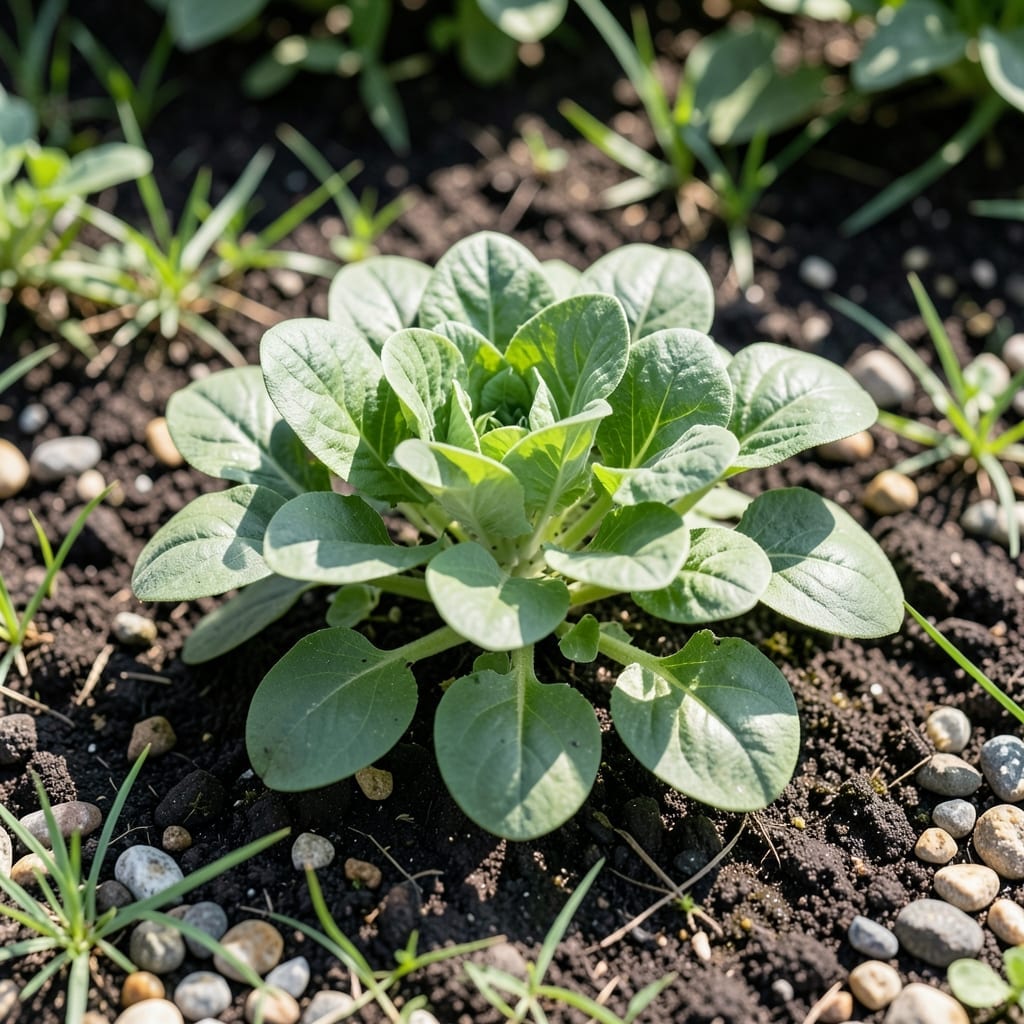
Imagine stepping outside to snip fresh greens for your salad, even when the weather turns chilly. Corn Salad 🥗 is one of the most rewarding cool-weather crops you can grow in containers, offering tender, nutty leaves right at your fingertips.
Unlike many greens, this hardy plant doesn’t mind a light frost, making it perfect for spring and fall harvests. Whether you have a spacious balcony or just a sunny windowsill, you can enjoy homegrown flavor without a traditional garden.
I’ve found that growing Corn Salad in pots is surprisingly simple once you know the basics. The key is creating the right conditions for those delicate rosettes to thrive.
Discover how to turn even the smallest space into a productive green oasis with this easy-to-follow approach to container gardening.
Growing corn salad in containers starts with selecting the right pot. I recommend using shallow, wide containers at least 6 inches deep to accommodate the plant’s root system. Ensure your pot has drainage holes to prevent waterlogging.
Fill your container with a well-draining potting mix rich in organic matter. Corn salad thrives in loamy soil with a pH between 6.0-7.0. Adding compost improves fertility and moisture retention.
| Requirement | Specification |
|---|---|
| Container Depth | 6+ inches |
| Soil Type | Well-draining loam |
| pH Range | 6.0-7.0 |
| Sunlight | 4-6 hours daily |
Sow corn salad seeds 1/4 inch deep and 1 inch apart in your prepared container. This spacing allows each plant enough room to form its characteristic rosette shape without competition.
Place your container where it receives 4-6 hours of sunlight daily. Corn salad tolerates partial shade, making it ideal for east or west-facing windowsills. In hotter climates, afternoon shade prevents bolting.
Water consistently to keep the soil moist but not soggy. I find that morning watering works best, allowing foliage to dry before evening. Use 1 inch of water per week, adjusting for rainfall.
Maintain cool temperatures between 40-75°F for optimal growth. Corn salad is cold-hardy and can survive light frosts, making it perfect for spring and fall growing seasons.
Fertilize lightly with a balanced 5-5-5 fertilizer every 4-6 weeks. Over-fertilizing leads to soft growth and reduces flavor. I prefer organic options like fish emulsion or compost tea.
Thin seedlings to 4-6 inches apart once they sprout. This gives each plant space to mature while maintaining good air circulation. Crowded plants are more susceptible to disease and pests.
Rotate your containers occasionally for even growth. Corn salad grows quickly, with harvest-ready leaves in just 30-50 days. Regular rotation prevents lopsided plants leaning toward the light.
With these container gardening practices, you’ll enjoy tender, nutty leaves throughout the growing season. The key is consistency in watering, light exposure, and temperature control.
Growing corn salad in containers is rewarding, but a few missteps can ruin your harvest. I’ve seen many beginners struggle with overwatering or poor drainage, which leads to soggy roots and stunted growth.
Another common issue is using the wrong soil. Corn salad thrives in loamy, well-draining soil, so heavy clay or compacted mixes will suffocate its delicate roots. Always choose a quality potting mix for best results.
⚠️ Watch Out!
Avoid poor drainage and incorrect soil pH. Use containers with drainage holes and test soil pH (6.0-7.0) for healthy growth.
Improper harvest timing is another pitfall. If you wait too long, the leaves can turn bitter or bolt to seed. I recommend harvesting when leaves are 3-6 inches long for the best flavor and texture.
Don’t overlook light requirements. While corn salad tolerates partial shade, it needs 4-6 hours of sunlight daily for robust growth. A shady balcony might not cut it for a bountiful harvest.
Finally, crowded plants compete for resources. Maintain 1-inch spacing between seeds to prevent overcrowding and ensure each plant has room to form its rosette shape.
With these tips, you’ll steer clear of the most common mistakes and enjoy a thriving corn salad crop all season long 🌱