
Beautiful Plants For Your Interior
Beautiful Plants For Your Interior
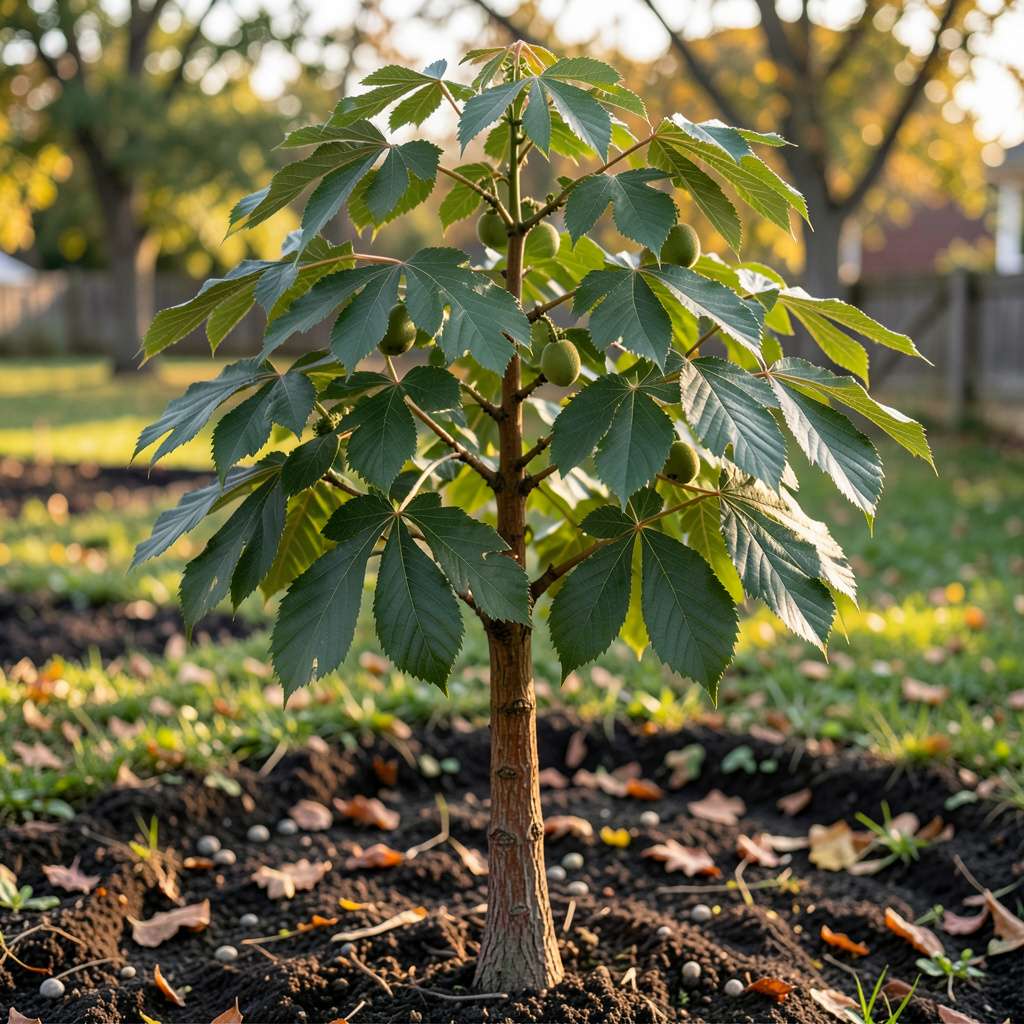
Black walnut trees thrive in deep, well-drained soil with full sun exposure. They require patience, as it takes 10-15 years to produce nuts, but their valuable timber and edible harvest make them a rewarding long-term investment for gardeners.
I’ve found that what makes these trees special is their dual-purpose value—both as a nut-producing crop and a high-value hardwood. The wait for nut production teaches patience, but the payoff is worth it when you consider that mature trees can yield 50-100 pounds of nuts annually while simultaneously building timber worth. 🌳
What many don’t realize is how their deep taproot system makes them surprisingly drought-resistant once established. This same root system also produces juglone, a natural herbicide that affects nearby plants—something I always warn gardeners to research before planting. The key is strategic placement and companion selection.
💡 In This Article
The secret to black walnut success starts underground with their remarkable root system. These trees develop a deep taproot that can extend 3-4 feet annually in ideal conditions, anchoring the tree while accessing moisture from deep soil layers.
This explains why they become so drought-tolerant once established—mature trees can survive with just 1 inch of water per week during dry spells. The tradeoff is that this aggressive root growth makes transplanting difficult after the first year.
Soil quality directly impacts both nut production and timber value. Black walnuts demand well-drained loam with a pH between 6.0-7.0. Heavy clay soils cause root suffocation, while sandy soils fail to retain enough moisture.
I’ve seen the best results when soil contains 2-3% organic matter—enough to hold nutrients but not so much that it stays waterlogged. A simple finger test can reveal soil quality: ideal soil should crumble slightly when squeezed but hold its shape.
Sunlight requirements are non-negotiable for these trees. They need 6+ hours of direct sunlight daily to develop strong branch structure and maximize nut production. In partial shade, trees grow taller but produce fewer nuts with lower oil content.
The leaves contain light-sensitive compounds that trigger photosynthesis at specific wavelengths—this is why morning sun is particularly valuable for sugar production in the nuts.
The infamous juglone toxicity deserves special attention. This chemical, produced in all parts of the tree, inhibits growth in many plants within a 50-80 foot radius. Tomatoes, potatoes, and blueberries are particularly sensitive, while grasses and some native plants show resistance.
I maintain a list of juglone-tolerant companions like black raspberries and serviceberries that actually thrive near walnut trees.
Climate zones 4-9 provide the ideal balance of winter chill (500-1,000 hours below 45°F) needed for nut set while offering long enough growing seasons. In zone 4, late frosts can damage early foliage, so northern growers should select cold-hardy cultivars like ‘Thomas’.
Southern growers in zone 9 must provide afternoon shade to prevent heat stress during peak summer months.
Spacing requirements often surprise new growers. While nursery trees may look small, mature black walnuts need 50-75 feet between trees to develop proper canopy spread. Crowded trees produce smaller nuts and are more susceptible to diseases like thousand cankers.
The old rule “plant for the mature size, not the sapling size” has saved many of my clients from costly removal of improperly spaced trees.
Wind protection becomes crucial in the first decade. Young trees have brittle branches that snap in strong winds. I recommend planting on the east side of buildings or using temporary windbreaks until the trunk reaches 4-inch diameter. This prevents the “flagging” effect where trees develop lopsided canopies from consistent wind exposure.
What most don’t realize is how soil temperature affects nut quality. Roots grow best when soil stays between 55-75°F. Mulching with 3-4 inches of wood chips maintains this range while suppressing competing weeds. The mulch also gradually breaks down into humus that feeds the beneficial mycorrhizal fungi black walnuts depend on for nutrient uptake.
The long game with black walnuts involves understanding their nutrient cycling. Fallen leaves contain high levels of tannins that naturally suppress weeds while returning minerals to the soil. This creates a self-mulching effect that reduces maintenance over time.
I’ve measured soil organic matter increasing by 0.5-1% annually under mature trees, which explains why established walnut groves often need minimal fertilization.
Most black walnut trees begin producing nuts when they’re 10-15 years old, though some may start as early as 7 years under ideal conditions. The wait is longer than many fruit trees, but these trees can continue producing for 100+ years once mature. Full production (50-100 lbs annually) typically occurs around 30 years of age.
Juglone-tolerant plants like black raspberries, serviceberries, and most grasses thrive near walnuts. Avoid tomatoes, potatoes, and blueberries—they’re highly sensitive. Native plants like wild ginger, Virginia creeper, and many ferns also do well. For vegetables, try squash or corn, which show moderate resistance to juglone’s effects.
Mature trees require 50-75 feet of space between them to develop properly. Their canopies can spread 40-60 feet wide, and root systems extend even further. Crowded trees produce smaller nuts and are more disease-prone. For urban lots, consider dwarf cultivars or alternative nut trees that need less space.
Not recommended long-term—their aggressive taproot system needs unrestricted growth. Container-grown trees rarely thrive beyond 3-5 years and won’t produce nuts. For small spaces, try bush varieties of other nut trees like hazelnuts, which adapt better to container life with proper pruning.
Harvest when the green husks begin to split in early fall. Wear gloves—the husks stain hands! Dry nuts in mesh bags with good airflow for 2-3 weeks. Store shelled nuts in airtight containers in a cool, dark place for up to 1 year, or freeze for longer storage. The flavor actually improves after a few months of storage.
