
Beautiful Plants For Your Interior
Beautiful Plants For Your Interior
That moment when you realize you can grow a maple tree inside your home changes everything. I still remember the first time I watched a Japanese maple‘s delicate leaves unfurl in my sunroom—something about bringing that kind of natural beauty indoors just feels like winning at life. The secret isn’t some greenhouse magic; it’s about […]
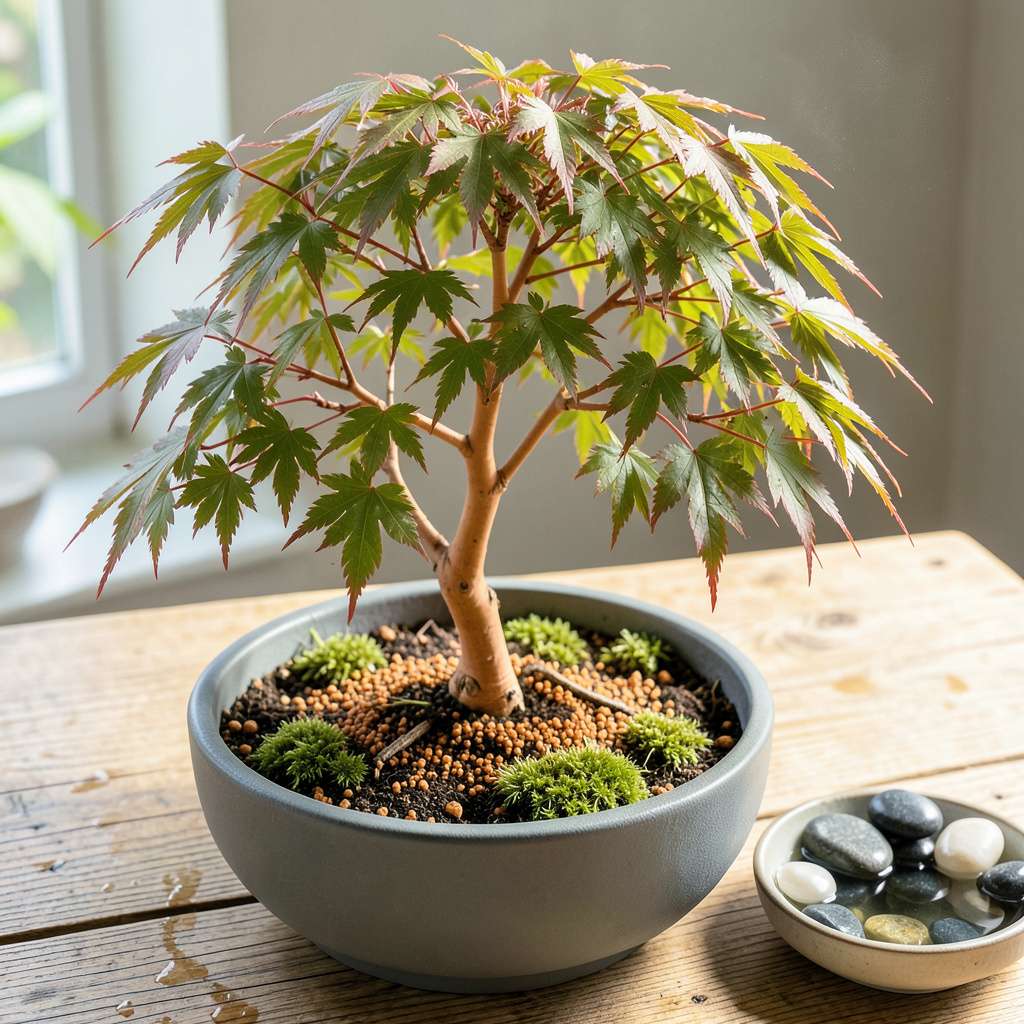
That moment when you realize you can grow a maple tree inside your home changes everything. I still remember the first time I watched a Japanese maple‘s delicate leaves unfurl in my sunroom—something about bringing that kind of natural beauty indoors just feels like winning at life. The secret isn’t some greenhouse magic; it’s about replicating what these trees naturally love, just on a smaller scale.
Here’s the thing—most people assume maples need acres of land and decades to thrive. Not true. With the right container (15-25 gallons to start), proper lighting (think east-facing window or a good grow light), and a simple watering routine, you’ll have a tree that grows 1-2 feet per year indoors. The leaves still turn those shockingly vibrant reds and oranges in fall, even inside.
What you end up with is more than just a plant—it’s a living sculpture that shifts with the seasons. New growth emerges bright green in spring, leaves darken through summer, then put on that famous autumn show. And yes, you can actually keep it at a manageable size with occasional pruning. No backyard required.
Fair warning: this isn’t a set-it-and-forget-it project. You’ll need to check soil moisture weekly (I use the finger test—no fancy tools), rotate the pot occasionally for even growth, and watch for leaf changes that tell you what the tree needs. But when you see that first flush of new leaves after winter? Completely worth the effort.
📚 In This Guide
Bringing the beauty of maples inside is simpler than you think—here’s how I’ve kept mine thriving for years.
Not all maples adapt well to indoor life. I recommend starting with a Japanese maple cultivar like ‘Koto no Ito’ or ‘Shishigashira’—these naturally stay small and tolerate container living. Avoid sugar maples or silver maples, which grow too large and aggressive for indoor spaces.
Purchase a young tree from a reputable nursery rather than starting from seed. Look for a specimen with a straight central leader and balanced branching. The trunk should be about pencil-thick—thinner stems struggle to establish, while thicker ones may already be root-bound.
Select a container that’s 2-3 inches wider in diameter than the root ball. Maple roots need room to spread but hate being drowned in excess soil. I use unglazed ceramic pots because they allow roots to breathe while providing stability for top-heavy growth.
Fill the pot with a well-draining mix of 60% high-quality potting soil and 40% perlite or coarse sand. This prevents the compacted, soggy conditions that cause root rot. Test drainage by watering before planting—water should flow freely from the bottom holes within seconds.
Maples need bright, indirect light for 6-8 hours daily. An east-facing window works beautifully, providing gentle morning sun. South-facing windows require sheer curtains to diffuse intense afternoon light that can scorch leaves.
If natural light is insufficient, supplement with a full-spectrum LED grow light positioned 12-18 inches above the tree. Run it for 12-14 hours daily, mimicking spring/summer daylight. You’ll know light is adequate when new leaves maintain rich color without stretching or yellowing.
Water when the top 1-2 inches of soil feel dry, typically every 5-7 days. Use room-temperature water and continue until it runs from the drainage holes. I place my pot on a saucer with pebbles to maintain humidity around the leaves without waterlogging roots.
Fertilize monthly during active growth (spring through early fall) with a balanced, water-soluble fertilizer diluted to half strength. Withhold fertilizer completely in winter when growth naturally slows. Prune in late winter by removing dead branches and shaping the canopy—never remove more than 20% of the foliage at once.
Indoor maples follow natural cycles. Expect leaf drop in autumn—this is normal, not a sign of poor health. During winter dormancy, reduce watering to every 10-14 days and move the tree to a cooler spot (55-65°F) if possible.
Watch for new growth in early spring as your signal to resume regular care. If leaves develop brown edges, your air is too dry—mist the foliage daily or add a small humidifier nearby. With proper seasonal adjustments, your maple will reward you with decades of indoor beauty.
After years of nurturing indoor maples, here are the key lessons that transformed my results from struggling to thriving.
Light Placement Strategy: The 6-8 hours of bright, indirect light mentioned in Step 3 is non-negotiable for healthy growth. I learned this the hard way after watching my first maple develop pale, stretched leaves. East-facing windows are ideal, but if you only have south-facing exposure, use sheer curtains to filter the harsh afternoon sun. Remember that light needs change seasonally—you may need to move your tree closer to the window in winter when daylight is scarce.
Watering Wisdom: The “top 1-2 inches dry” rule from Step 4 is your best defense against root rot. I check moisture by inserting my finger into the soil—if it feels cool and slightly damp at that depth, wait another day. Room temperature water is crucial too; cold water can shock the roots. During winter dormancy, when you’re watering every 10-14 days, err on the side of underwatering—maples recover better from slight dryness than from soggy soil.
Seasonal Transition Care: When moving your tree to that cooler 55-65°F spot for winter dormancy (as mentioned in Step 5), do it gradually over a week. Sudden temperature changes can stress the tree. I use a digital thermometer to monitor conditions precisely. Also, don’t be alarmed by autumn leaf drop—it’s completely natural, just like outdoor maples. The tree is simply conserving energy for spring regrowth.
Container Selection Insight: The 2-3 inch diameter recommendation in Step 2 isn’t arbitrary. Too-large containers hold excess moisture that leads to root rot, while cramped pots stunt growth. I’ve found unglazed ceramic pots work best because they allow roots to breathe while providing the weight needed to stabilize top-heavy growth. Always test drainage before planting by pouring water through the empty pot—it should flow freely within seconds.
Most maple trees thrive outdoors long-term, but dwarf varieties like Japanese Maple or Trident Maple can adapt to indoor life for years with proper care. Expect slower growth and smaller size. For best results, move it outside seasonally (spring/summer) to boost health.
From seed, expect 2–5 years to reach 2–3 feet tall—bonsai or dwarf varieties grow faster. Cuttings (from mature trees) may sprout leaves in 4–8 weeks. Light, humidity, and fertilizer speed up growth, but patience is key! Annual pruning keeps size manageable.
Try these easier options:
All tolerate indoor conditions better than most maples!
Common causes:
Trim dead leaves and adjust care ASAP!
Yes! Even indoors, they benefit from a 2–3 month “rest” period (Nov–Feb). Reduce watering, stop fertilizing, and place in a cooler spot (50–60°F). Skip this, and your tree may weaken or drop leaves prematurely.
Growing a maple tree indoors is a rewarding way to bring nature’s beauty into your home—with the right care. 🌱 By choosing the perfect variety, mimicking outdoor conditions, and staying patient, you’ll enjoy lush foliage and even seasonal color changes year-round. Remember, consistency with light, humidity, and pruning is key to keeping your mini maple thriving!
Ready to start? Pick your favorite dwarf maple variety and gather your supplies—your indoor forest adventure begins today! For extra confidence, check out our FAQ section to troubleshoot common challenges along the way.
