
Beautiful Plants For Your Interior
Beautiful Plants For Your Interior
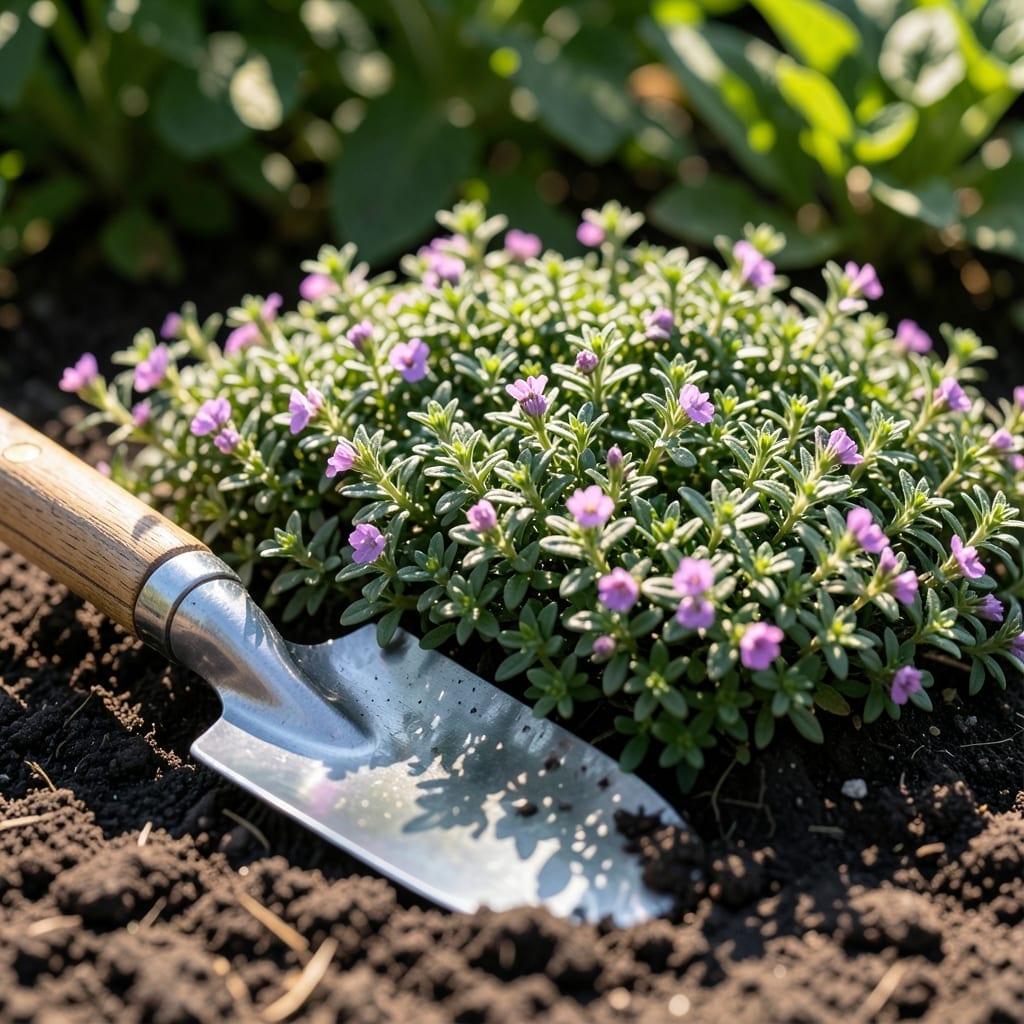
Tired of spending your weekends mowing, watering, and fighting weeds just to keep your lawn alive? There’s a better way to achieve a lush, green space without the backbreaking work.
Ground covers like 🌿 Creeping Thyme offer a stunning, low-maintenance alternative that thrives in zones 4-9. Imagine replacing that high-upkeep grass with a vibrant, eco-friendly carpet that practically takes care of itself.
Not only do these plants slash your yard work, but they also bring unique textures, colors, and even pollinator support to your landscape. The transformation is simpler than you might think.
Discover how to swap your lawn for a ground cover that’s as beautiful as it is effortless. Your weekends just got a whole lot freer.
Replacing your lawn with ground covers can transform your yard into a low-maintenance paradise. These plants spread naturally, suppress weeds, and often require less water than traditional grass.
I’ve tested several options, and creeping thyme, white clover, and sedum stand out for their durability and visual appeal. Each has unique benefits depending on your climate and soil conditions.
| Variety | Sun Needs | Water Needs | Mature Height | Best For |
|---|---|---|---|---|
| Creeping Thyme | Full Sun | Low | 2-6 inches | Drought-prone areas |
| White Clover | Part Sun | Moderate | 4-8 inches | Pollinator gardens |
| Sedum | Full Sun | Very Low | 3-6 inches | Rock gardens |
| Moss | Full Shade | High | 1-2 inches | Shady, moist areas |
Creeping thyme is my top pick for sunny areas because it’s drought-tolerant and releases a lovely fragrance when stepped on. It thrives in USDA zones 4-9.
White clover is perfect if you want to attract pollinators like bees and butterflies. It stays green year-round in mild climates and fixes nitrogen in the soil.
For shady spots, moss creates a lush, velvet-like carpet that requires no mowing. However, it needs consistent moisture to stay vibrant.
Sedum is another sun-loving option that comes in many varieties. It’s extremely low-maintenance and can survive in poor soil conditions.
Each of these ground covers offers unique textures and colors. I recommend mixing a few types for visual interest and to support local ecosystems.
Before planting, test your soil pH and amend it if needed. Most ground covers prefer well-draining soil, but moss thrives in acidic, moist conditions.
Remember, the first year requires regular watering to help plants establish. After that, most ground covers need minimal care, saving you time and effort in the long run. 🌿
Replacing your lawn with ground cover starts with proper preparation. First, I remove the existing grass using either solarization or smothering methods, depending on my timeline and climate. 🌱
For quick results, I prefer solarization: covering the lawn with clear plastic for 4-6 weeks to kill grass and weeds. In cooler climates, smothering with cardboard and compost takes longer but enriches the soil.
After removing the lawn, I always test my soil. Most ground covers prefer well-draining soil with a pH between 6.0-7.0. Adding compost improves both drainage and fertility for better establishment. 🌿
When planting, I follow spacing guidelines carefully. For creeping thyme, I place plants 6-12 inches apart, while faster spreaders like white clover can go 12-18 inches apart. Proper spacing prevents overcrowding as plants mature.
Watering is crucial during the first few weeks. I give new plantings 1 inch of water weekly, tapering off as they establish. Mulching with straw or wood chips helps retain moisture and keeps weeds at bay. ✂️
Patience is key—most ground covers take one full growing season to fill in completely. During this time, I pull any weeds that emerge and fill gaps with additional plants if needed. The result is a lush, low-maintenance alternative to traditional lawns.