
Beautiful Plants For Your Interior
Beautiful Plants For Your Interior
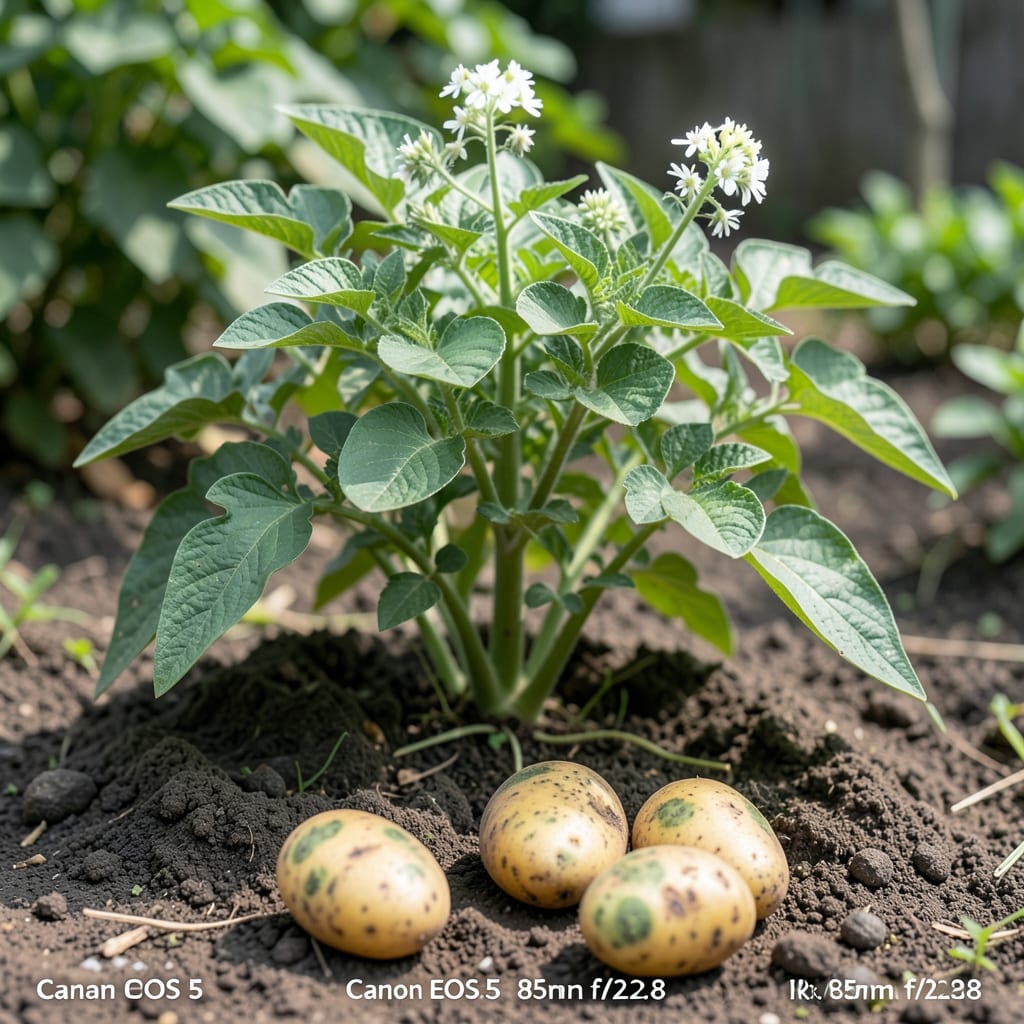
I pulled up my first potato harvest and froze—green patches covered the top halves. Those spots mean solanine buildup, a natural toxin that develops when tubers get exposed to light during growth or storage.
It’s not just an eyesore; eating enough can cause stomach issues. The green skin signals the potato’s defense mechanism kicking in, and the flesh underneath often tastes bitter. Even small patches mean the whole spud needs closer inspection.
Prevention is simple: hill soil around plants as they grow and store harvests in complete darkness. A cardboard box in a cool basement works better than any fancy setup.
When in doubt, toss it. The risk isn’t worth it, and next season’s crop will be cleaner with these adjustments.
Green spots on potatoes are a natural but unwanted reaction triggered by specific environmental and storage conditions. Here’s why it happens:
The primary culprit is light exposure, which stimulates the production of chlorophyll—the same pigment that makes plants green. Unlike in leaves, chlorophyll in potatoes signals the start of solanine buildup, a toxic glycoalkaloid. Even artificial light (like supermarket displays) can trigger this process.
Storing potatoes in warm or fluctuating temperatures (above 50°F/10°C) accelerates greening. Cool, dark, and well-ventilated spaces (like a pantry or cellar) slow chlorophyll production. Avoid refrigerators—the cold converts starch to sugar, altering taste and texture.
Some potato varieties are more prone to greening due to their thin skins (e.g., red or new potatoes). These types have less natural protection against light, making them greener faster than thick-skinned russets.
Actionable tip: Store potatoes in opaque containers or paper bags, away from onions (which release moisture and gases that speed up spoilage).
Green spots on potatoes are usually harmless but can taste bitter and signal the presence of solanine, a natural toxin. Here’s how to address the issue based on the cause—and keep your spuds safe and delicious.
If your potatoes turned green from sitting in sunlight or under bright store lights, the fix is simple: peel them deeply. Remove all green areas, including the skin beneath, as solanine concentrates just under the surface. For severe cases, discard the potato entirely.
Prevention tip: 💡 Store potatoes in a cool, dark place like a pantry or paper bag. Avoid plastic bags, which trap moisture and speed up spoilage.
Potatoes dug up too early may develop green patches if exposed to light post-harvest. To fix, let them cure in a dark, well-ventilated area for 1–2 weeks. This toughens the skin and reduces greening risk.
Prevention tip: ✨ Harvest potatoes when the plant’s foliage yellows and dies back. If digging early, cover them with soil or mulch immediately to block light.
Old potatoes stored improperly often develop green spots. Inspect and sort your stock regularly, removing any with greening or sprouts. Use affected potatoes promptly (after peeling) or compost them.
Prevention tip: 🎯 Store potatoes at 45–50°F (7–10°C) with high humidity (85–90%). A root cellar or refrigerator (in a vented container) works best.
If potatoes were grown near nightshade family plants (like tomatoes), they may be more prone to stress-related greening. Rotate crops next season and avoid planting potatoes near other nightshades.
Prevention tip: 🌡️ Pair potatoes with beans, corn, or cabbage—these companions improve growth conditions and reduce greening risks.
Small green areas can be cut away, but large patches mean the potato should be discarded. Solanine concentrates under the skin, so peel deeply to remove all green areas. Never eat sprouted or soft green potatoes.
Supermarket displays with bright lights often cause this. Even 24 hours of exposure can start the greening process. Choose potatoes from covered bins and store them in complete darkness at home.
Only if you remove all green spots and surrounding skin. Baking or boiling won’t destroy solanine. For best results, use unblemished potatoes—greening often means the flesh is bitter.