
Beautiful Plants For Your Interior
Beautiful Plants For Your Interior
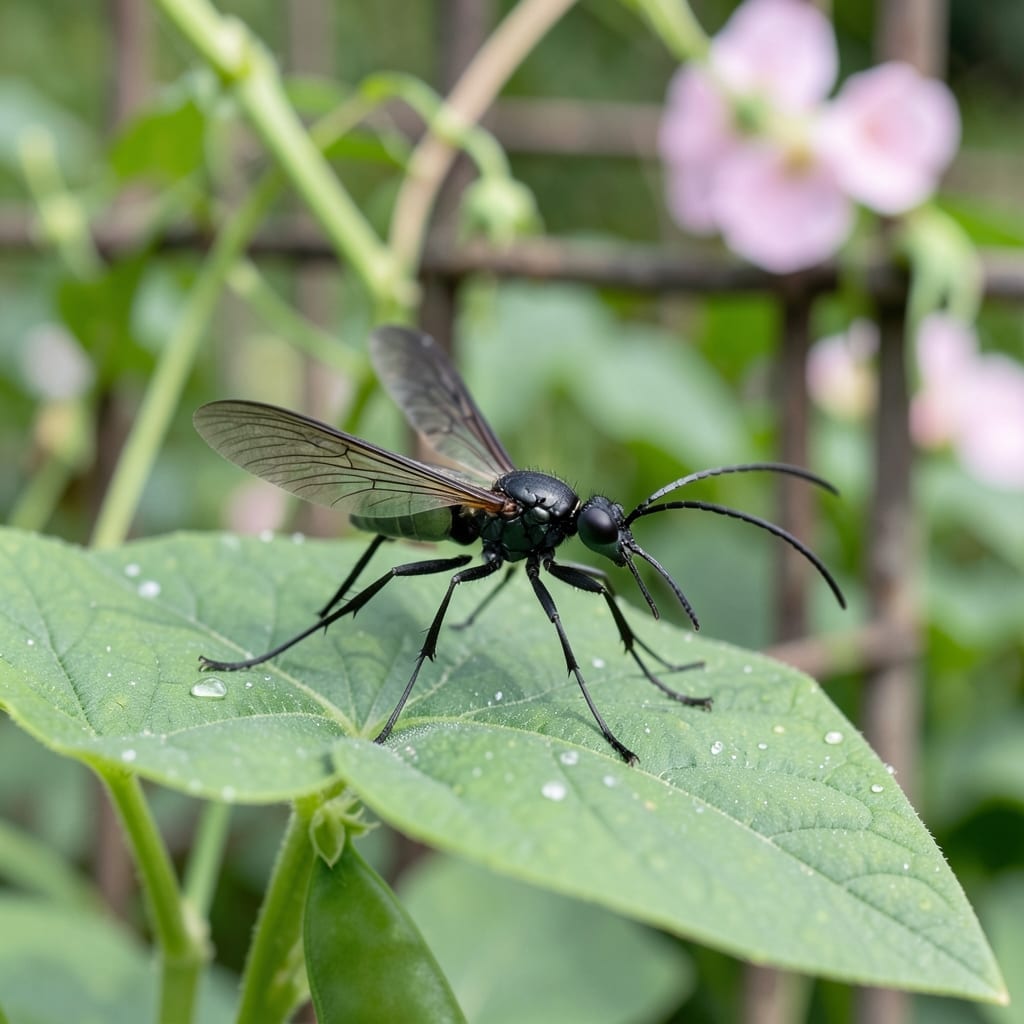
Green peach aphids turn healthy plants into curled, yellowing messes overnight. I lost an entire row of peppers to these pests before learning the targeted spray method that stops them fast.
They cluster on new growth, sucking sap and spreading disease. Organic soaps work, but timing is everything—hit them early, before they multiply. A strong blast of water can knock them off, but that’s temporary.
This approach wipes them out in 24-48 hours without harming beneficial insects. No more watching leaves wither or fruits deform from their feeding.
Works on tomatoes, peppers, and stone fruits. Here’s how to reclaim your garden.
Green peach aphids (Myzus persicae) thrive under specific environmental and agricultural conditions. Understanding these triggers helps prevent outbreaks before they spiral out of control.
Excess nitrogen promotes lush, soft plant growth—ideal for aphids. These pests target tender new shoots and leaves, which are rich in nutrients. Reduce high-nitrogen applications and opt for balanced fertilizers to harden plant tissues and deter feeding.
Aphids often survive mild winters as eggs or active adults on host plants. Unseasonably warm temperatures allow populations to multiply early. Monitor overwintering hosts like peach trees or weeds (e.g., mustard, nightshade) and remove them to break the life cycle.
Planting susceptible crops (e.g., peppers, potatoes, or cruciferous vegetables) in the same location year after year gives aphids a reliable food source. Rotate with non-host plants like grains or legumes to disrupt their habitat.
Water-stressed plants emit chemical signals that attract aphids. Maintain consistent soil moisture to keep plants vigorous and less appealing to pests. Drip irrigation can help avoid foliar wetness, which also reduces fungal diseases that aphids exploit.
Overuse of broad-spectrum pesticides kills beneficial insects like ladybugs, lacewings, and parasitic wasps that prey on aphids. Adopt integrated pest management (IPM) strategies, such as selective sprays or companion planting (e.g., Alyssum or Dill), to support predator populations.
Tackling green peach aphids requires a mix of immediate action and long-term strategy. Below are practical solutions mapped to common causes, along with prevention tips to keep your plants aphid-free.
Dense foliage creates a perfect hiding spot for aphids. Thin out crowded plants to allow air and sunlight to reach all parts. Space seedlings properly from the start, and prune older plants to remove excess growth. Prevention tip: Plant in rows with 12–18 inches of space between them to discourage aphid clusters. 💡
Aphids target weak, drought-stressed, or nutrient-deficient plants. Revive plant health by watering consistently at the base (avoid wetting leaves) and applying a balanced fertilizer. Mulch around the base to retain moisture. Prevention tip: Use drip irrigation to keep foliage dry and reduce aphid attraction. 🌱
Green peach aphids thrive when their natural enemies—like ladybugs, lacewings, or parasitic wasps—are absent. Attract these allies by planting nectar-rich flowers (e.g., alyssum, dill, or yarrow) nearby. You can also purchase ladybugs or lacewing larvae for release. Prevention tip: Avoid broad-spectrum pesticides that harm beneficial insects. 🐝
For visible aphid colonies, use a strong blast of water from a hose to dislodge them (do this early in the day so leaves dry quickly). Follow up with insecticidal soap or neem oil, applying in the late afternoon to avoid harming bees. Reapply every 4–7 days until gone. Prevention tip: Inspect plants weekly, especially the undersides of leaves, to catch infestations early. 🔍
Peppers, tomatoes, and peach trees are primary targets. They also attack potatoes, spinach, and many cruciferous vegetables.
Check at least weekly, focusing on new growth and leaf undersides. Early detection prevents rapid spread.
Yes! Plant companion flowers like alyssum or dill, and introduce beneficial insects such as ladybugs.
Insecticidal soap or neem oil typically shows effects within 24-48 hours. Reapply every 4-7 days until gone.