
Beautiful Plants For Your Interior
Beautiful Plants For Your Interior
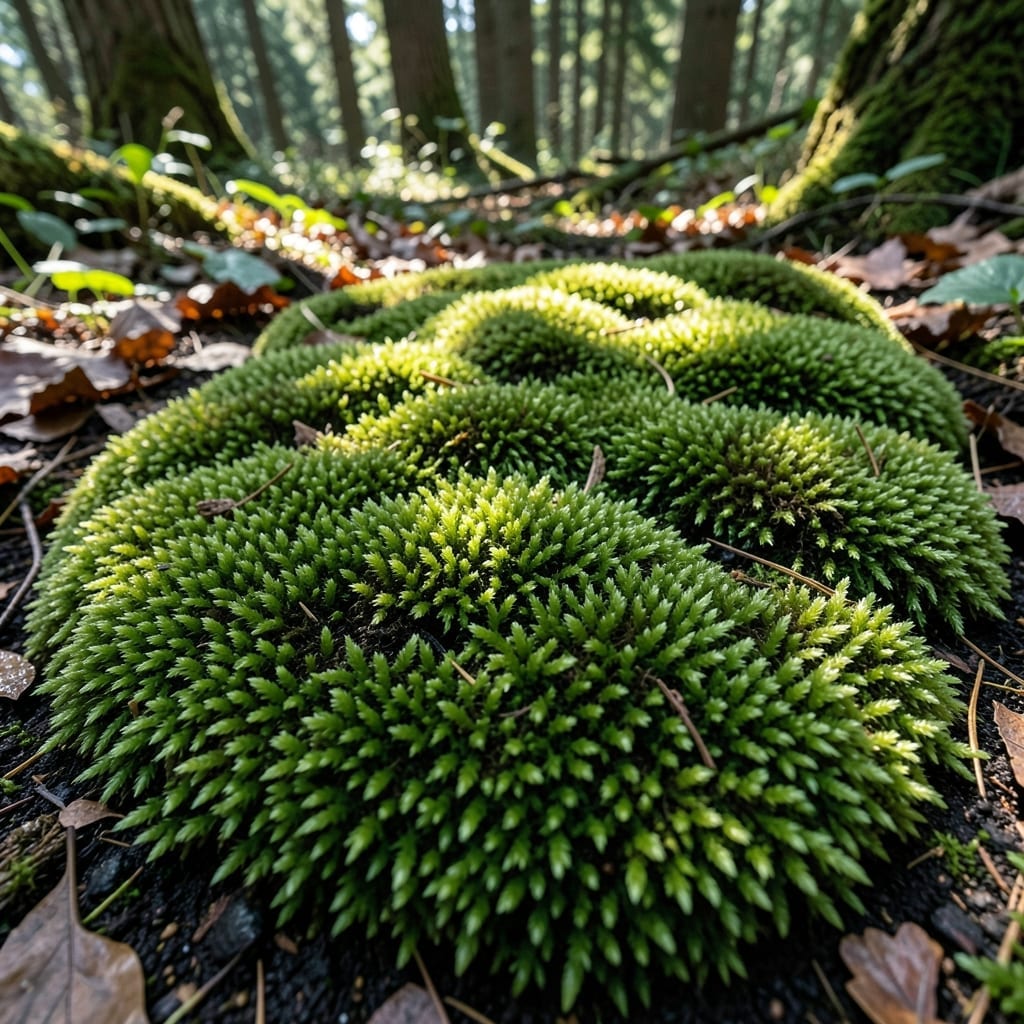
That green carpet isn’t grass—it’s moss taking over. I’ve battled this in my own yard, and the solution starts with understanding why it’s thriving where your lawn isn’t.
Shade, compacted soil, and excess moisture create the perfect moss haven. The good news? Fixing the conditions that favor moss automatically strengthens your grass. It’s a two-for-one garden win.
I’ll walk you through simple, natural removal methods that won’t harm your soil or nearby plants. No harsh chemicals needed—just a little strategy and patience.
Prevention is easier than you think. Small changes to sunlight, drainage, and soil health keep moss from returning. Your yard can stay lush and green—the right kind of green.
Moss thrives in conditions that are less than ideal for most grasses and plants. Understanding the root causes helps you address the issue effectively. Here are the primary reasons moss takes over your yard:
Moss loves damp environments. Poor drainage, overwatering, or frequent rain can create consistently moist soil, which is a perfect breeding ground. Compacted soil also traps water, worsening the problem.
Moss flourishes in shady areas where grass struggles to grow due to insufficient sunlight. Thin canopies or structures blocking light reduce photosynthesis for grass, giving moss an advantage.
Acidic soil (pH below 6.0) inhibits grass growth while promoting moss. Regular soil testing can reveal if your yard’s pH is too low, requiring lime or other amendments to balance it.
Moss often invades yards with nutrient-deficient or compacted soil. Grass needs nitrogen, phosphorus, and potassium to thrive, and without them, moss fills the gap.
Bare patches or weak grass provide open space for moss spores to settle and grow. Over-mowing, foot traffic, or disease can thin your lawn, making it vulnerable.
Moss thrives in damp, shaded, and compacted areas, but you can reclaim your yard with these targeted solutions. Address the root causes to keep your lawn lush and moss-free.
If poor drainage is the culprit, start by aerating the soil to allow water to penetrate deeply. For low-lying areas, install a French drain or use a mix of sand and compost to elevate the soil. Prevention tip: 💡 Ensure downspouts direct water away from the yard to avoid future pooling.
Moss loves shade, so trim overhanging branches or thin out dense shrubs to increase sunlight exposure. For stubborn shady spots, plant shade-tolerant grass varieties like fine fescue or consider ground covers like clover. Prevention tip: ✨ Rake leaves and debris regularly to prevent moisture buildup in shaded areas.
Test your soil—moss often grows in acidic (pH below 5.5) or nutrient-poor conditions. Apply lime to raise pH if needed, and fertilize with nitrogen to boost grass health. Prevention tip: 🎯 Re-test soil every 2–3 years to maintain optimal conditions for grass, not moss.
Compacted soil suffocates grass and invites moss. Core aerate the lawn annually, especially in high-traffic areas. Follow up with top-dressing (a thin layer of compost or sand) to improve soil structure. Prevention tip: 🌡️ Avoid heavy foot traffic on damp soil to prevent re-compaction.
For isolated moss patches, rake it out by hand when the soil is dry, then overseed with grass. Use a moss killer (iron sulfate) for larger areas, but opt for organic options if you prefer eco-friendly solutions. Prevention tip: 🔥 Reseed bare spots quickly to prevent moss from returning.
It can if the underlying conditions aren’t fixed. Address moisture, shade, and soil quality first to prevent regrowth. Reseeding bare spots quickly helps crowd out new moss spores.
Not directly, but it competes with grass for space and nutrients. Over time, it can thin your lawn and make it look patchy. The real issue is what it signals about your yard’s health.
Yes, a 1:1 vinegar-water solution works as a natural moss killer. Spray on dry days and reapply as needed. Be cautious—vinegar can also harm nearby plants and grass.
Manual removal shows immediate results, but moss killers may take 1-2 weeks to fully work. Improving conditions (drainage, sunlight) can take a season to show lasting change.