
Beautiful Plants For Your Interior
Beautiful Plants For Your Interior
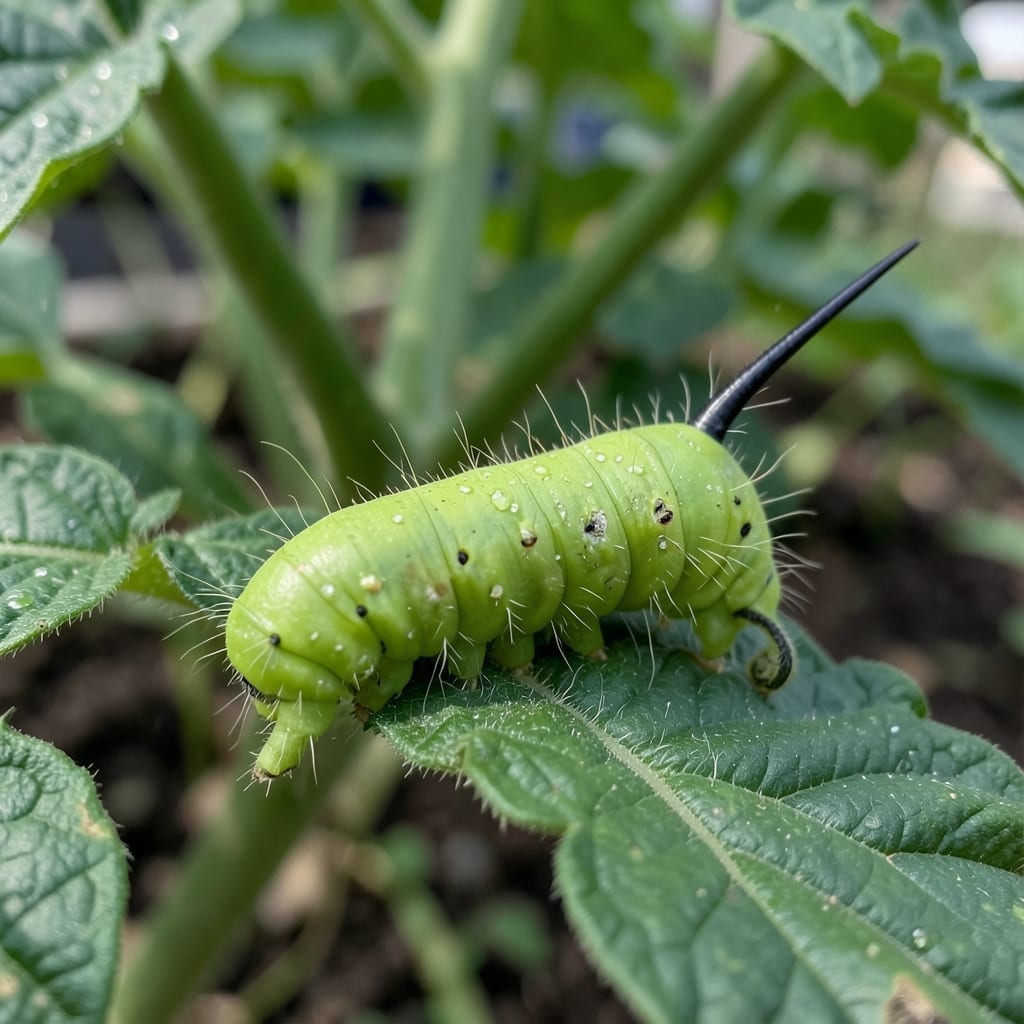
That little green caterpillar with the black spike is probably a tomato hornworm in disguise. I’ve pulled dozens from my garden, and they always blend in perfectly until you spot that telltale tail.
They target tomatoes, peppers, and potatoes first, stripping leaves overnight. Left unchecked, they’ll defoliate a plant in 48 hours. The spike isn’t dangerous, but the damage is real.
Handpicking works best at dawn or dusk when they’re active. Drop them in soapy water to break the cycle. It’s gross but 100% effective.
For prevention, till soil in fall to expose pupae and invite birds with feeders. They’ll patrol for you next season.
The green caterpillar with a black spike on its tail often appears in ponds or gardens due to specific ecological and biological factors. Below are the primary causes, explained with actionable insights.
Many caterpillars, including species like the Swallowtail or Sphinx moth larvae, thrive in moist environments. Ponds provide ideal conditions: abundant host plants (e.g., parsley, milkweed) and humidity. The black spike, or osmeterium, is a defensive organ that emits foul odors to deter predators, a trait common in caterpillars inhabiting exposed areas near water.
These caterpillars target specific plants for food. For example, the Black Swallowtail caterpillar feeds on Apiaceae family plants (carrots, dill). If your pond area has these, it’s a magnet for egg-laying butterflies. Remove or relocate host plants to reduce infestations.
Caterpillars emerge in spring and summer, when temperatures (60–85°F) and daylight trigger egg hatching. Ponds retain heat, accelerating their growth. Monitor plants weekly during these seasons to catch them early.
Pro tip: 💡 Handpick caterpillars in the morning when they’re sluggish from cool temperatures.
If you’ve spotted a green caterpillar with a black spike on its tail in your pond area, here’s how to handle it safely and effectively. These caterpillars, often species like the Io moth caterpillar, can deliver a painful sting, so caution is key.
Wear thick gloves and use tweezers or a small container to gently pick up the caterpillar. Drop it into a bucket of soapy water to humanely eliminate it. Avoid direct contact—those black spikes can inject venom!
Encourage birds, wasps, or parasitic flies (natural predators) by adding native plants around your pond. Keep the area clean and free of debris where eggs might be laid. Regularly inspect leaves and stems for clusters of eggs or young caterpillars.
If caterpillars have infested nearby plants, prune and dispose of affected foliage in sealed bags. Wash down pond edges and surrounding surfaces with a mild vinegar solution to deter future visitors.
Prevention Tips:
Yes, some species like the Io moth caterpillar have venomous spines that deliver a painful sting. Always wear thick gloves and use tweezers for safe handling.
They often feed on trees like willow, elm, or roses. In gardens, they may attack tomatoes or peppers. Check these plants first for signs of damage.
Remove debris, use fine netting over plants, and install lights away from the pond to deter egg-laying moths. Encourage birds as natural predators.