
Beautiful Plants For Your Interior
Beautiful Plants For Your Interior
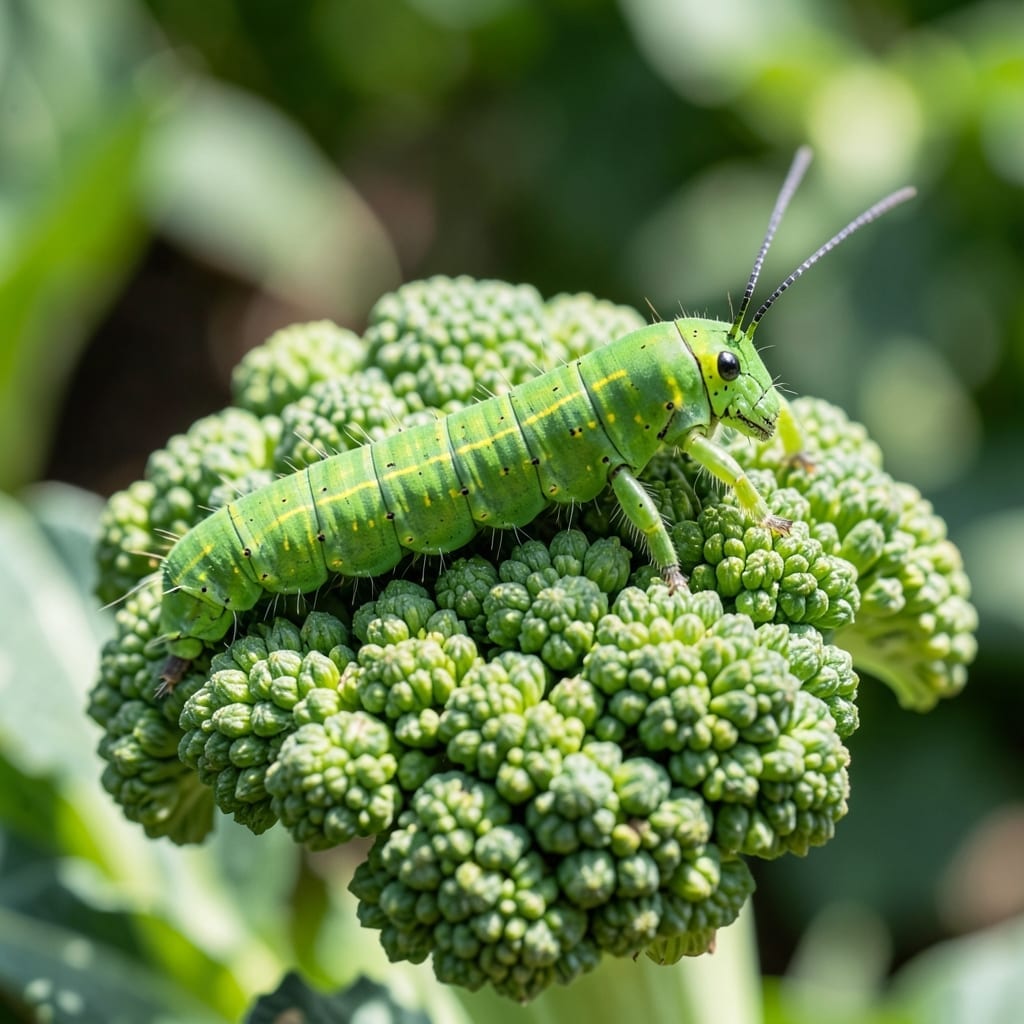
Those little green caterpillars blending into your broccoli leaves are cabbage loopers or cabbageworms. I’ve lost entire crops to them before, but now I spot them early and stop the damage fast.
Check the undersides of leaves at dawn or dusk when they’re most active. Look for tiny holes, black droppings, or chewed leaf edges—these are early warning signs before they decimate your plants.
Handpicking works for small infestations, but for larger ones, organic sprays like BT or neem oil give fast results. Prevention starts with row covers and crop rotation next season.
Your broccoli can recover quickly once the pests are gone. The key is catching them before they move from the leaves to the heads.
The presence of green caterpillars on broccoli is typically the result of pest infestations, often tied to specific environmental or gardening conditions. Below are the primary causes, explained with actionable insights.
Broccoli is a prime host for Cabbage Loopers (Trichoplusia ni) and Diamondback Moths (Plutella xylostella), whose larvae are the green caterpillars you see. These pests lay eggs on the undersides of leaves, which hatch into caterpillars that feed voraciously on the foliage and florets. Warm, humid weather accelerates their life cycle, leading to rapid infestations.
Leftover plant debris, weeds, or unharvested crops provide breeding grounds for moths and butterflies. These areas offer shelter and food for adult pests to lay eggs. Regularly remove crop residues and rotate plantings to disrupt their habitat.
Without row covers, companion planting (e.g., thyme or dill), or organic sprays like neem oil, broccoli plants are vulnerable. Pests thrive in untreated gardens, especially in large, monoculture plots where natural predators (like parasitic wasps) are absent.
Excess moisture or nitrogen-rich soil can create lush, tender growth—ideal for caterpillars. Soft tissues are easier for larvae to chew through. Balance watering and use compost instead of high-nitrogen fertilizers to toughen plant resistance.
Finding a green caterpillar on your broccoli doesn’t mean your harvest is ruined. With quick action, you can save your plants and prevent future infestations. Below are practical solutions for the most common causes, along with prevention tips to keep your garden thriving.
Cause: Small infestations of cabbage loopers or other caterpillars.
Fix: Inspect your broccoli plants daily, especially under leaves and near the head. Wear gloves and handpick caterpillars, dropping them into a bucket of soapy water. For hard-to-reach pests, use tweezers. Check again in 2-3 days, as eggs may hatch.
Prevention Tip: Encourage natural predators like birds and parasitic wasps by planting companion flowers (e.g., marigolds or alyssum) nearby.
Cause: Larger outbreaks or repeated infestations.
Fix: Spray Bacillus thuringiensis (Bt), a natural bacteria that targets caterpillars without harming beneficial insects. Apply in the early morning or late evening, covering both sides of leaves. Reapply after rain or every 1-2 weeks as needed.
Prevention Tip: Rotate crops yearly to disrupt pest life cycles and avoid planting brassicas (broccoli, cabbage, etc.) in the same spot.
Cause: Severely damaged leaves or heads.
Fix: Trim off heavily infested leaves or broccoli heads with clean shears. Dispose of the clippings in a sealed bag—never compost them, as this can spread pests. If a single plant is badly affected, remove it entirely to protect others.
Prevention Tip: Use floating row covers early in the season to create a physical barrier against moths laying eggs.
Cause: Persistent pest pressure in organic gardens.
Fix: Sprinkle food-grade diatomaceous earth around the base of plants. This powder dehydrates soft-bodied pests like caterpillars. Reapply after watering or rain. Alternatively, try neem oil (mixed with water and a drop of dish soap) as a foliar spray, but avoid using it in direct sunlight.
Prevention Tip: Keep your garden clean—remove plant debris and weeds that can harbor pests over winter.
Check the undersides of leaves at dawn or dusk when they’re most active. Look for tiny holes, black droppings, or chewed leaf edges—these are early warning signs.
Bt (Bacillus thuringiensis) targets only caterpillars, leaving bees and ladybugs unharmed. Always apply in the early morning or late evening for best results.
No, never compost infested plant material. Seal it in a bag and dispose of it in the trash to prevent spreading pests. This keeps your garden clean and safe.