
Beautiful Plants For Your Interior
Beautiful Plants For Your Interior
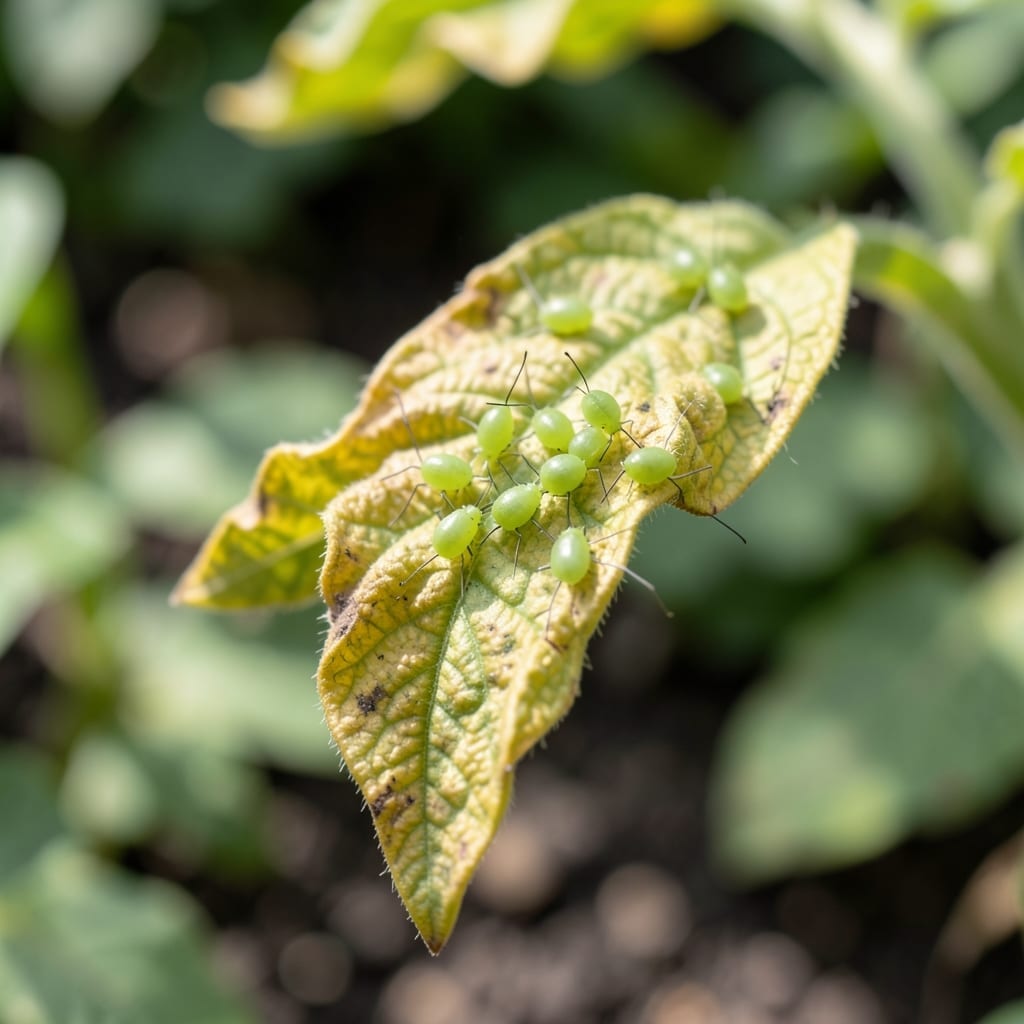
First time I saw those tiny green specks on my roses, I thought they were dust. Turns out, they were leafhoppers—Massachusetts’ most notorious garden freeloaders.
These pests suck plant sap, leaving stunted growth and white speckling on leaves. They hit roses, beans, and potatoes hardest, and they multiply faster than I can grab my pruners.
Here’s the thing—early detection is your best defense. Check leaf undersides weekly, especially in mid-summer when populations explode. A strong spray of water can knock them off before they settle in.
Left unchecked, they’ll spread disease and weaken plants for good. But with the right approach, you can send them packing for good.
Green bugs in Massachusetts gardens often appear due to a mix of environmental and biological factors. Here are the primary causes:
Leaf-hoppers and other green insects thrive in warm, humid conditions, which Massachusetts summers often provide. These bugs reproduce rapidly when temperatures hover between 70–85°F, and high humidity accelerates their life cycle. Early summer rains followed by dry spells create ideal breeding grounds in plant tissues.
Weak or overgrown plants emit chemical signals that attract sap-feeding insects like aphids and leaf-hoppers. Over-fertilization (especially with nitrogen) produces lush but soft growth, which these pests find irresistible. Drought-stressed or waterlogged plants also become more vulnerable to infestation.
When beneficial insects like ladybugs, lacewings, or parasitic wasps are absent, green bug populations explode. Pesticide overuse in Massachusetts gardens can wipe out these predators, disrupting the natural balance. Monoculture plantings (e.g., large stretches of a single crop) also reduce biodiversity, giving pests free rein.
Certain plants are magnets for green bugs. In Massachusetts, roses, vegetable crops (like beans and potatoes), and ornamental shrubs often fall victim. These pests are drawn to plants with high sap content or those in the Fabaceae (legume) or Rosaceae (rose) families. Planting resistant varieties can significantly lower infestation risks.
Green bugs like leafhoppers can quickly become a nuisance in your Massachusetts garden, but these targeted solutions will help you reclaim your plants.
Leafhoppers lay eggs in fallen leaves and plant debris. Rake up and remove all garden waste in late fall or early spring to eliminate hiding spots. Prevention tip: Mulch with clean straw instead of leaving organic matter to decompose.
For active infestations, spray plants with insecticidal soap (mix 1 tbsp mild soap per quart of water). Focus on the undersides of leaves where leafhoppers hide. Reapply every 4–7 days until gone. Prevention tip: Encourage ladybugs (natural predators) by planting dill, fennel, or marigolds nearby.
Protect vulnerable crops like beans or potatoes with floating row covers early in the season. Secure edges tightly to block adult leafhoppers. Prevention tip: Rotate crops yearly to disrupt their life cycle.
Leafhoppers excrete sticky honeydew, which attracts mold. Prune heavily infested leaves and wipe down plants with a damp cloth. Prevention tip: Avoid over-fertilizing with nitrogen—it attracts sap-sucking pests.
💡 Pro Tip: Inspect new plants before bringing them home to avoid introducing leafhoppers to your garden!
Leafhoppers are tiny, wedge-shaped insects, usually 1/8 to 1/4 inch long. They come in pale green, yellow, or brown and move sideways quickly when disturbed.
No, they don’t bite or sting humans. Their damage is limited to plants, causing stunted growth or white speckling on leaves.
They peak from mid-June to August when weather is warm and humid. Check plants weekly during this time for early signs.
They favor roses, beans, potatoes, and other high-sap plants. But they’ll infest any stressed or over-fertilized vegetation.