
Beautiful Plants For Your Interior
Beautiful Plants For Your Interior
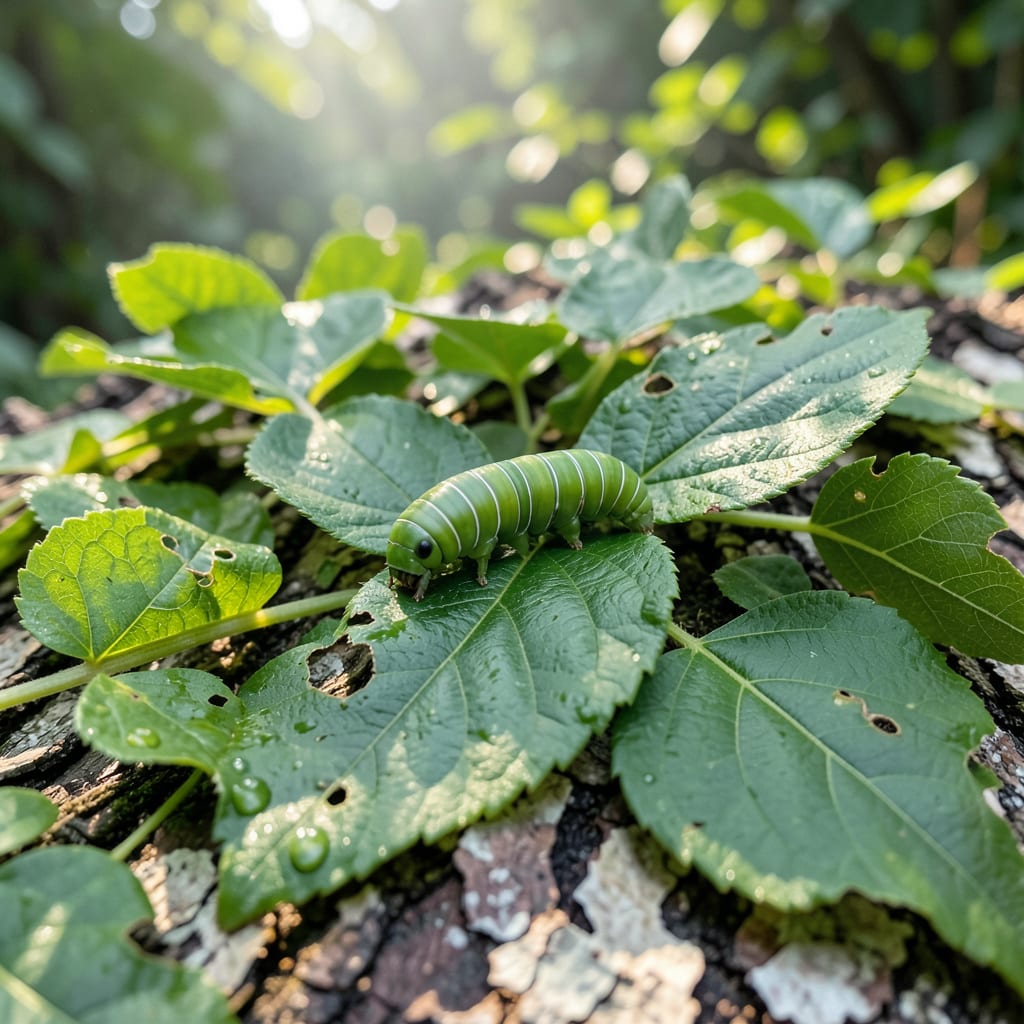
Tiny green invaders munching on your plant leaves are likely aphids. 🌿 I’ve battled these pests in my own garden, and they multiply fast if left unchecked.
They weaken plants by sucking sap, causing curled or yellowing leaves. The good news? They’re easy to spot with their soft bodies and pear-shaped forms clustering on new growth.
Organic solutions like a strong blast of water or neem oil spray work wonders. For severe cases, insecticidal soap gives quick results without harsh chemicals.
Prevention starts with healthy plants and regular inspections. Catch them early, and your garden stays thriving and pest-free all season.
Green bugs, often aphids or other small herbivorous insects, attack leaves for several biological and environmental reasons. Understanding these causes helps you address the issue effectively.
Green bugs like aphids pierce leaf tissues to suck out sap, which is rich in sugars, amino acids, and other nutrients. This is their primary food source, and heavy infestations can weaken plants by depleting essential resources.
Aphids reproduce asexually in warm conditions, leading to exponential population growth. A single female can produce dozens of offspring in a week, quickly overwhelming a plant. This rapid lifecycle means they consume leaves faster than the plant can recover.
Plants under stress (drought, poor soil, or overcrowding) emit chemical signals that attract pests. Green bugs target weakened plants because their defenses are lower, making leaves an easy meal.
In gardens without beneficial insects (ladybugs, lacewings), green bug populations thrive unchecked. These predators normally keep pest numbers in balance, but their absence allows infestations to spiral.
Dealing with leaf-munching pests doesn’t have to mean reaching for harsh chemicals. Here’s how to tackle the most common causes and restore your plants to health.
Fix: Adjust your watering schedule to allow the top inch of soil to dry out between waterings. Ensure pots have drainage holes, and consider repotting in well-draining soil if root rot is present. Trim any blackened or mushy roots before repotting.
Prevention: Use a moisture meter to avoid guesswork, and always choose containers with drainage.
Fix: Spray leaves with a neem oil solution (1 tbsp neem oil + 1 tsp dish soap per gallon of water) every 5–7 days until pests are gone. For severe cases, introduce beneficial insects like ladybugs or lacewings, which prey on green aphids and mites.
Prevention: Inspect new plants before bringing them home, and keep your garden free of debris where pests hide.
Fix: Test your soil with a home kit. If nitrogen is low, apply a balanced organic fertilizer or compost tea. For potassium or magnesium shortages, add wood ash (sparingly) or Epsom salt (1 tbsp per gallon of water) to the soil.
Prevention: Rotate crops yearly and enrich soil with compost to maintain long-term fertility.
Fix: Prune damaged leaves to redirect energy to healthy growth. Boost plant resilience with a seaweed extract spray, which provides trace minerals and reduces stress.
Prevention: Provide consistent care—proper light, water, and nutrition—to keep plants vigorous and less vulnerable to pests.
💡 Pro Tip: Early morning is the best time to apply treatments, as pests are most active and foliage has time to dry before evening.
Yes, they can cause significant damage by sucking sap from leaves, leading to curling, yellowing, or stunted growth. Severe infestations may even kill young plants.
Blast them off with a strong water spray or apply neem oil mixed with dish soap. These methods are safe and effective for most gardens.
They reproduce rapidly and may return if beneficial predators like ladybugs are absent. Regular inspections and maintaining plant health can prevent reinfestation.
Encourage natural predators by planting pollinator-friendly flowers and avoiding pesticides. Healthy soil and proper spacing also deter pests.
