
Beautiful Plants For Your Interior
Beautiful Plants For Your Interior
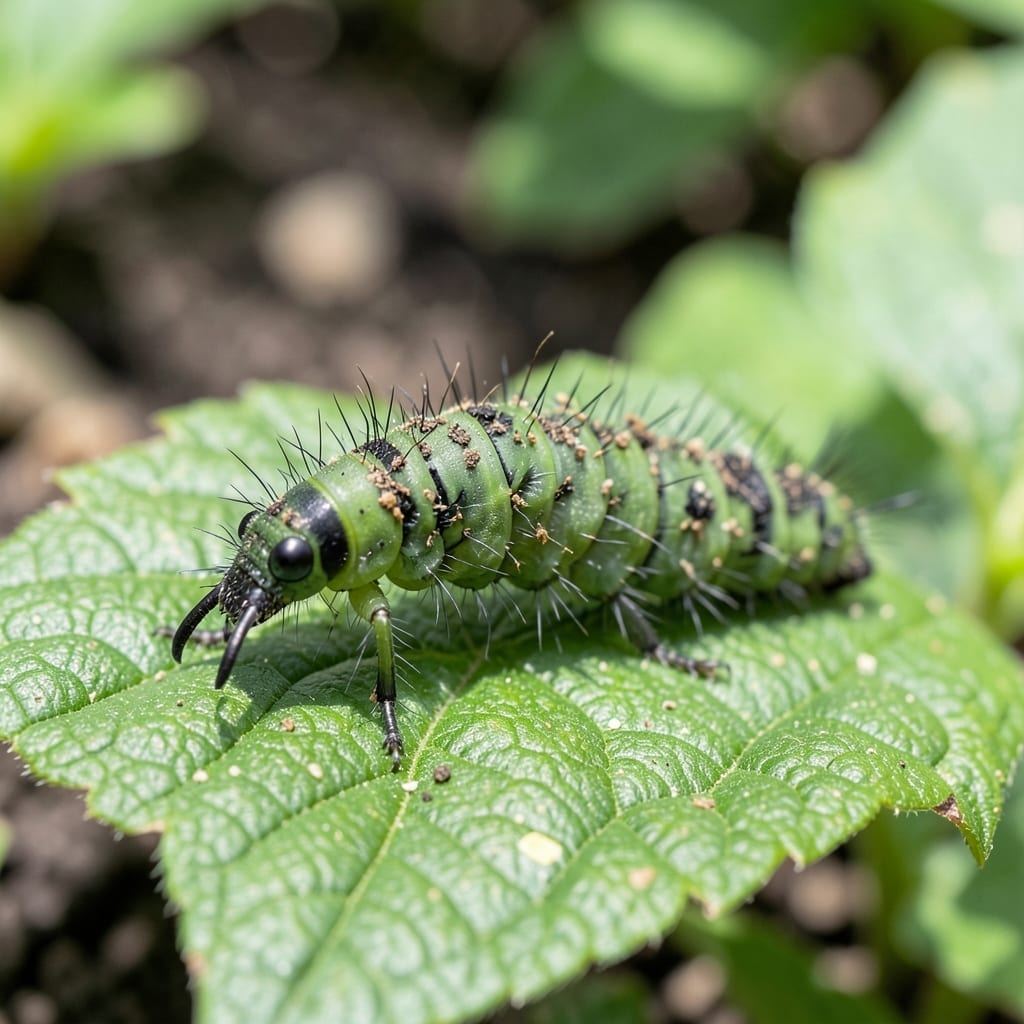
I discovered these tiny garden allies by accident last summer. Green lacewing larvae, with their alligator-like jaws, devour aphids, mites, and other soft-bodied pests with shocking efficiency.
They’re nature’s pest control squad, working silently while you sleep. One larva can consume 200-300 pests in a week, making them more effective than most sprays I’ve tried.
What’s surprising is how easy they are to attract—just plant nectar-rich flowers and avoid broad-spectrum pesticides. Your garden will thank you with healthier plants and fewer pest problems.
Best part? They stick around, reproducing in your garden to provide season-long protection without any effort from you.
Green lacewing larvae, often called “aphid lions,” appear in gardens due to natural ecological processes and specific environmental triggers. Here’s why you might spot these beneficial predators in your garden:
Lacewing larvae are voracious predators of soft-bodied pests like aphids, mites, and small caterpillars. Adult lacewings lay eggs on plants infested with these pests, ensuring their larvae have an immediate food source upon hatching. This instinctive behavior is a key driver of their presence in gardens with pest problems.
Plants under attack by aphids or other pests release chemical signals (volatile organic compounds) that attract adult lacewings. These chemicals act as a dinner bell, signaling a prime location for egg-laying. If your garden has a high population of sap-sucking pests, lacewing larvae are likely to follow.
While larvae feed on pests, adult lacewings rely on nectar, pollen, and honeydew for sustenance. Gardens rich in flowering plants (e.g., dill, cosmos, or sweet alyssum) provide the resources adults need to thrive and reproduce, indirectly boosting larval populations.
Lacewings prefer humid environments with moderate temperatures (60–80°F). Overly dry or extreme conditions can deter them. If your garden offers consistent moisture and shade, it becomes a more inviting habitat for lacewing larvae to develop.
By understanding these triggers, you can actively encourage lacewing larvae to take up residence in your garden—naturally controlling pests without chemicals!
If green black-eyed lacewing larvae are causing trouble in your garden, don’t worry—there are simple, natural ways to adjust their activity and keep your plants thriving. Below are actionable fixes for common issues, paired with prevention tips to maintain balance.
If lacewing larvae are clustering on a single plant or section, gently move them to other pest-prone areas. Use a soft brush or gloved hand to transfer them at dawn or dusk when they’re less active. This spreads their benefits and prevents localized damage.
Prevention: Plant a diversity of flowers (like dill, cosmos, or sweet alyssum) to attract adult lacewings, which will lay eggs more evenly across your garden.
Avoid broad-spectrum pesticides, as they can harm lacewing larvae. If you must spray, use neem oil or insecticidal soap in the early morning and target only infested plants. Spot-treat instead of blanketing the garden.
Prevention: Introduce lacewings after pesticide use, waiting at least 2–3 days to ensure their safety.
If your garden has few pests, lacewing larvae may struggle. Boost their food supply by releasing them near known aphid, mite, or whitefly hotspots. You can also purchase frozen or live prey (like aphids) from garden centers as a temporary food source.
Prevention: Maintain a small “sacrificial” patch of pest-prone plants (e.g., nasturtiums) to ensure a steady food supply.
💡 Pro Tip: Keep your garden hydrated—lacewing larvae thrive in moist environments but avoid waterlogging, which can drown them.
Each larva can consume 200-300 pests weekly, targeting aphids, mites, and soft-bodied insects. Their appetite makes them incredibly effective for natural pest control.
Adults love nectar-rich flowers like dill, cosmos, and sweet alyssum. Plant these to encourage egg-laying and boost your garden’s larval population.
Yes, broad-spectrum pesticides kill lacewing larvae. Use targeted treatments like neem oil and avoid spraying during active periods.
They thrive in humid, moderate climates (60-80°F). Ensure consistent moisture and shade to create an inviting habitat.