
Beautiful Plants For Your Interior
Beautiful Plants For Your Interior
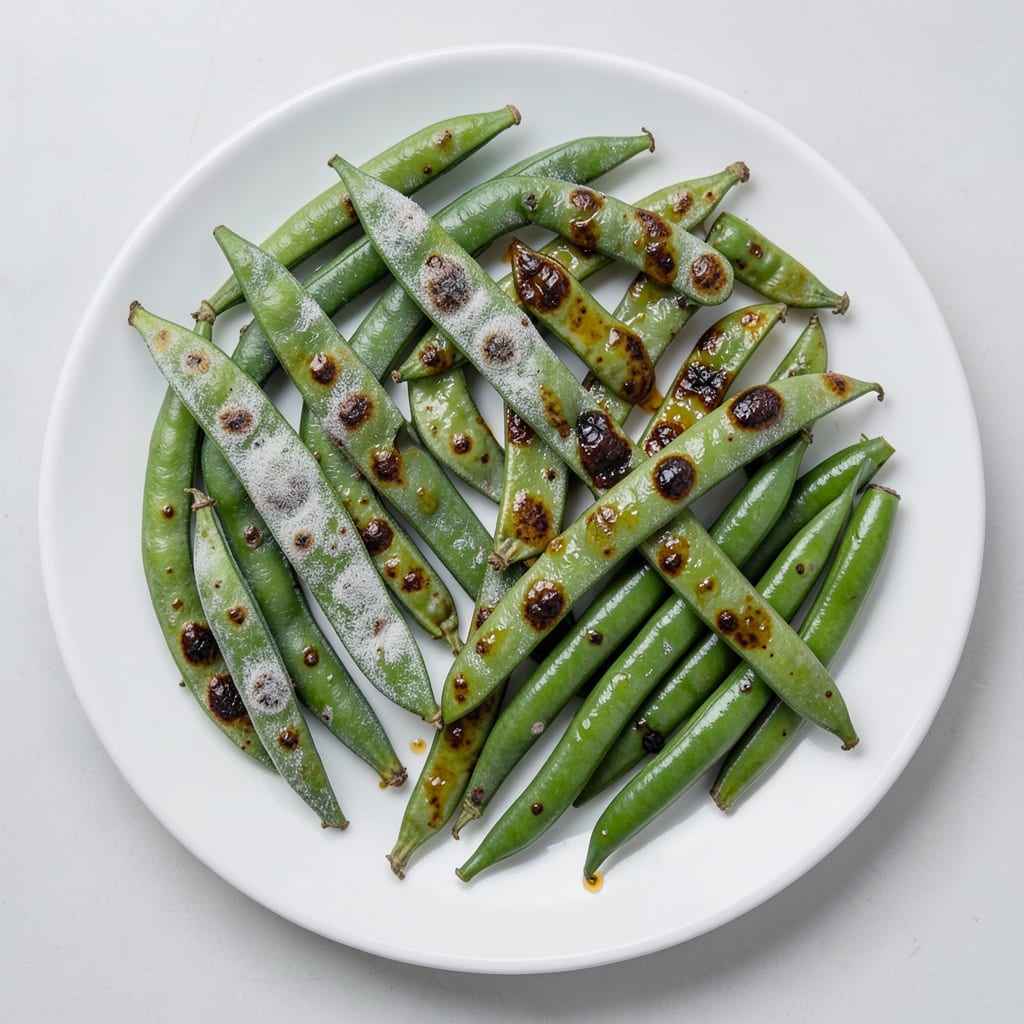
Spotted yellow leaves on your green beans aren’t just ugly—they’re a warning sign. I’ve seen entire crops wiped out by diseases that start with subtle changes most gardeners miss until it’s too late.
Early diagnosis is everything. The right photos can help you distinguish between fungal spots, bacterial blight, and viral mosaics before they spread. I learned this after losing half my harvest to rust one season.
You’ll spot the differences in leaf patterns, stem discoloration, and pod deformation. Each disease has a fingerprint—once you know what to look for, treatment becomes straightforward.
Works for pole, bush, and lima beans in any outdoor setup. Here’s how to identify and stop them cold.
Green bean diseases often stem from a mix of environmental, biological, and cultural factors. Understanding these root causes helps gardeners prevent and manage outbreaks effectively. Below are the primary triggers behind common green bean ailments.
Moisture-loving fungi like Colletotrichum lindemuthianum (anthracnose) and Phaeoisariopsis griseola (angular leaf spot) thrive in wet, humid conditions. Overhead watering, poor air circulation, and crowded plantings create ideal breeding grounds. Spores spread via splashing water or wind, infecting leaves, pods, and stems.
Bacteria such as Xanthomonas axonopodis (common blight) and Pseudomonas syringae (bacterial brown spot) enter plants through wounds or natural openings. Contaminated tools, seeds, or soil can introduce these pathogens. Warm, rainy weather accelerates their spread, causing spots, wilting, or pod rot.
Insects like aphids, cucumber beetles, and whiteflies transmit viral diseases (e.g., bean common mosaic virus). Their feeding damage also weakens plants, making them more susceptible to secondary infections. Regular scouting and pest control are critical to breaking this cycle.
Over-fertilization (especially nitrogen-heavy), improper crop rotation, and failing to remove infected debris can exacerbate disease pressure. Planting in poorly drained soil or reusing contaminated seed further invites trouble. Sanitation and balanced care are key defenses.
Dealing with green bean diseases doesn’t have to be overwhelming. Below are targeted solutions for the most frequent problems, paired with prevention tips to keep your plants thriving. 🌱
If you spot orange or brown pustules on leaves, rust fungus is likely the culprit. Remove infected leaves immediately and dispose of them in the trash—not the compost. Apply a copper-based fungicide to halt the spread. To prevent recurrence, rotate crops annually and avoid overhead watering.
Prevention tip: 💡 Space plants properly for airflow and water at the base to keep foliage dry.
Water-soaked spots or yellow halos on leaves signal bacterial blight. Prune affected areas with sterilized shears and treat plants with a bactericide like copper sprays. Sanitize garden tools after each use to avoid spreading the bacteria.
Prevention tip: ✨ Use drip irrigation to minimize leaf wetness, and plant blight-resistant bean varieties.
Sticky residue or curled leaves often mean aphids or mites. Blast them off with a strong water spray, or apply insecticidal soap or neem oil. Introduce beneficial insects like ladybugs for natural control.
Prevention tip: 🎯 Inspect plants regularly, especially the undersides of leaves, and encourage biodiversity to deter pests.
Yellowing leaves and stunted growth may indicate root rot from soggy soil. Stop watering temporarily and improve drainage by amending the soil with compost or sand. Avoid overwatering and ensure containers have drainage holes.
Prevention tip: 🌡️ Water only when the top inch of soil is dry, and plant in well-draining beds.
Look for circular spots with dark edges or orange-brown pustules on leaves. Fungal issues often appear after periods of high humidity or overhead watering. Compare symptoms to reference photos for confirmation.
Use drip irrigation to keep foliage dry and rotate crops yearly. Sanitize tools between uses and choose resistant varieties. Remove infected plants immediately to stop spread.
Not always. Yellowing can indicate overwatering, nutrient deficiency, or natural aging. Check for additional symptoms like spots or wilting to determine if it’s disease-related.
