
Beautiful Plants For Your Interior
Beautiful Plants For Your Interior
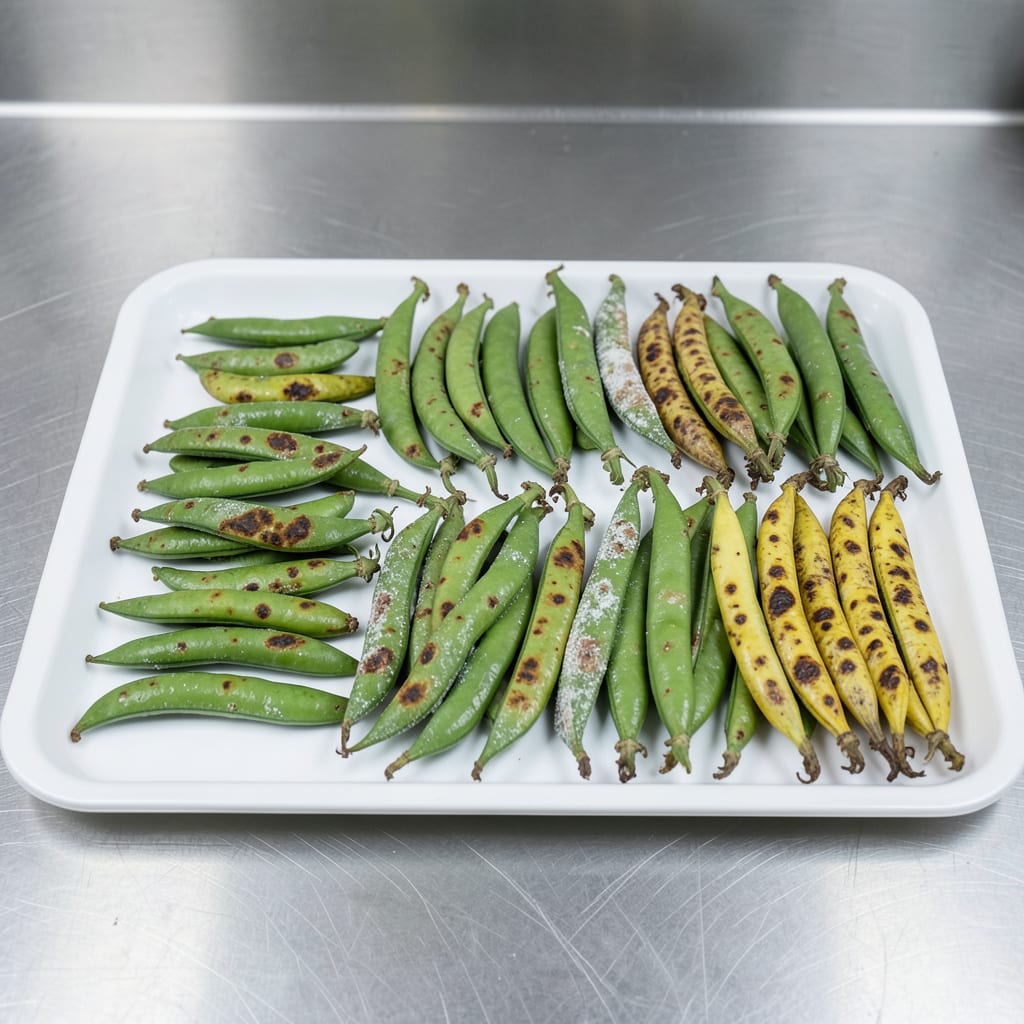
I’ve lost entire rows of beans to silent invaders before. 🌱 Early detection is everything—those subtle spots or wilting leaves often signal bigger problems brewing beneath the surface.
Most gardeners miss the first signs because they look harmless: a yellow edge here, a brown speck there. But these are red flags for common issues like rust, mosaic virus, or bacterial blight that can spread overnight in warm, wet conditions.
What follows are the visual clues I wish I’d known sooner. You’ll learn to spot the difference between harmless imperfections and serious threats that need immediate action.
Works for pole, bush, and snap beans alike. Let’s save your harvest before it’s too late.
Green bean diseases often stem from a mix of environmental, biological, and cultural factors. Understanding these triggers helps you prevent outbreaks before they start. Below are the primary causes, broken down for clarity and action.
Fungi like Colletotrichum lindemuthianum (anthracnose) and Phaeoisariopsis griseola (angular leaf spot) thrive in warm, humid conditions. Overhead watering or poor air circulation creates the perfect breeding ground. Spores spread via splashing water, infected seeds, or garden debris. Action: Rotate crops, use drip irrigation, and remove infected plant material immediately.
Bacteria such as Xanthomonas axonopodis (common blight) and Pseudomonas syringae (bacterial brown spot) enter plants through wounds or stomata. These pathogens multiply rapidly in wet foliage and are often introduced via contaminated tools, seeds, or rain. Action: Sterilize tools with rubbing alcohol and avoid working with plants when they’re wet.
Insects like aphids, whiteflies, and beetles transmit viral diseases such as Bean Common Mosaic Virus (BCMV). These pests pierce plant cells while feeding, injecting viruses directly into the tissue. Action: Use row covers, introduce beneficial insects (e.g., ladybugs), and apply neem oil as a deterrent.
Extreme temperatures, drought, or waterlogged soil weaken plants, making them more susceptible to disease. For example, heat stress can suppress a plant’s natural defenses, while overwatering promotes root rot. Action: Mulch to retain moisture, ensure proper drainage, and provide shade during heatwaves.
Deficient or imbalanced soil (e.g., low in potassium or nitrogen) reduces a plant’s vigor. Compacted or poorly drained soil also limits root growth, increasing susceptibility to Fusarium or Rhizoctonia fungi. Action: Test soil annually, amend with compost, and practice no-till gardening to preserve soil structure.
Dealing with green bean diseases can feel overwhelming, but these targeted solutions will help you restore plant health quickly. Below are practical fixes for the most common issues, paired with prevention tips to keep your garden thriving.
Act fast at the first sign of trouble, and your green beans will bounce back stronger! 🌿
Look for rust-colored spots on leaves or stems, which often indicate rust disease. White powdery growth suggests powdery mildew. Infected areas may also appear water-soaked or develop dark borders.
Use disease-resistant varieties and avoid overhead watering. Sterilize tools between uses and remove infected plants immediately. Rotate crops yearly to reduce pathogen buildup.
If caught early, stop watering and let soil dry. Trim black roots and improve drainage. Severe cases may require removing the plant to protect others.
