
Beautiful Plants For Your Interior
Beautiful Plants For Your Interior
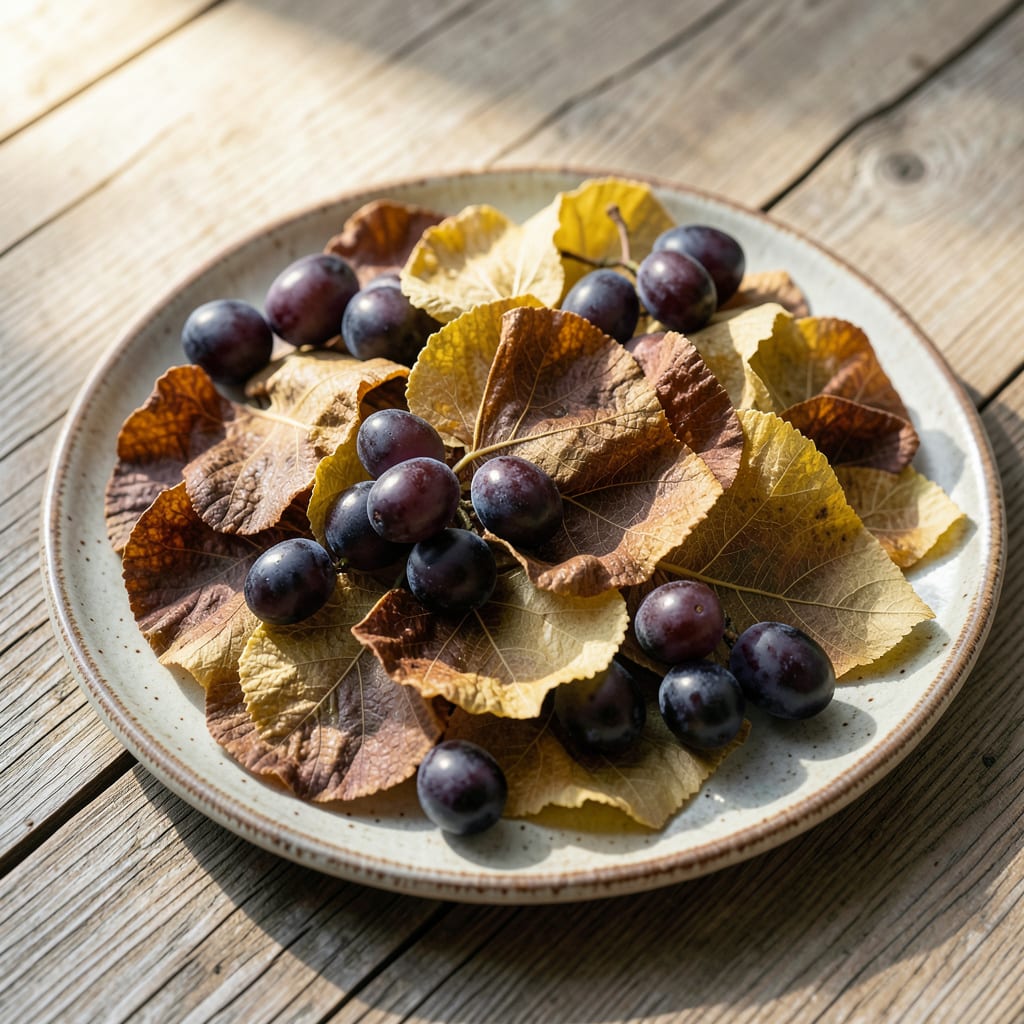
Brown and yellow grape leaves sent me into a panic my first season. Turns out, it’s usually pointing to one of four issues—and all of them are fixable with the right approach.
I’ve seen this pattern with nutrient deficiencies, water stress, pests, or disease. The trick is narrowing it down fast before the problem spreads. Most cases start with subtle discoloration that escalates quickly.
Once I identified the root cause, my vines bounced back within 2-3 weeks. The key is matching symptoms to solutions, not just guessing.
Works for backyard vines, small vineyards, or even container grapes. Here’s how to diagnose and revive them.
Grape leaves turning brown and yellow can signal several underlying issues, often tied to environmental stress, pests, or cultural practices. Below are the most common causes, explained with actionable insights.
High temperatures and inconsistent watering can lead to leaf scorch, where edges turn brown and crispy. Grapes need 1–2 inches of water weekly, especially during fruit set. Drought stress reduces chlorophyll, causing yellowing (chlorosis). Mulching and drip irrigation help maintain soil moisture.
Yellowing between leaf veins (interveinal chlorosis) often points to iron or magnesium deficiency, common in alkaline soils. A soil test can confirm imbalances. Apply chelated iron or Epsom salt (magnesium sulfate) as a foliar spray for quick correction.
Spider mites and leafhoppers suck sap from leaves, causing stippling, yellowing, and browning. Check undersides of leaves for webbing (mites) or tiny jumping insects (leafhoppers). Neem oil or insecticidal soap can control early infestations.
Downy mildew and powdery mildew thrive in humid conditions, leading to yellow patches and brown necrotic spots. Plasmopara viticola (downy mildew) causes oil-spot lesions, while Erysiphe necator (powdery mildew) creates a white, powdery coating. Improve air circulation and apply copper-based fungicides preventatively.
Grapes prefer slightly acidic to neutral soil (pH 6.0–6.5). High pH locks out essential nutrients like iron and zinc, leading to chlorosis. Amend soil with sulfur or peat moss to lower pH, or use acidifying fertilizers.
If your grapevine’s leaves are turning brown and yellow, don’t panic—there’s usually a fix! Below are targeted solutions for common causes, along with prevention tips to keep your vine thriving.
Drought or overwatering can both cause discoloration. Check soil moisture 2 inches deep—if dry, water deeply (1–2 inches per week). If soggy, improve drainage by amending soil with compost or sand. Prevention: Use drip irrigation for consistent moisture and mulch to retain water.
Yellowing often signals a lack of nitrogen, magnesium, or iron. Apply a balanced fertilizer (10-10-10) or use Epsom salt (1 tbsp/gallon of water) for magnesium. For iron, chelated supplements work best. Prevention: Test soil annually and fertilize in early spring before new growth.
Spider mites, powdery mildew, or fungal infections can discolor leaves. Spray with neem oil (1 tbsp/gallon) or sulfur-based fungicides weekly until symptoms fade. Remove heavily infested leaves to stop spread. Prevention: Prune for airflow, avoid overhead watering, and plant resistant varieties.
Extreme heat or cold can scorch leaves. Use shade cloth (30–50%) during heatwaves or frost blankets in cold snaps. Prevention: Plant in a sheltered spot and acclimate vines gradually to temperature changes.
Compacted or nutrient-poor soil stresses vines. Loosen soil around roots and mix in organic matter like compost. Prevention: Conduct a soil test every 2–3 years and adjust pH (ideal: 6.0–6.5).
Pro Tip 💡: Always sterilize pruning tools with rubbing alcohol to avoid spreading disease between plants!
Water deeply 1-2 times per week, providing 1-2 inches total. Check soil 2 inches deep—if dry, it’s time to water. Drip irrigation works best for consistent moisture.
Once leaves turn yellow, they won’t recover. Focus on fixing the root cause to save the rest of the plant. New growth should resume normal color within 2-3 weeks of correction.
Spray with neem oil (1 tbsp/gallon) or insecticidal soap every 3-5 days until pests are gone. Remove heavily damaged leaves to prevent spread.
Baking soda sprays can help mild cases, but for severe infections use copper-based fungicides. Always test on a small area first and apply in the morning.
