
Beautiful Plants For Your Interior
Beautiful Plants For Your Interior
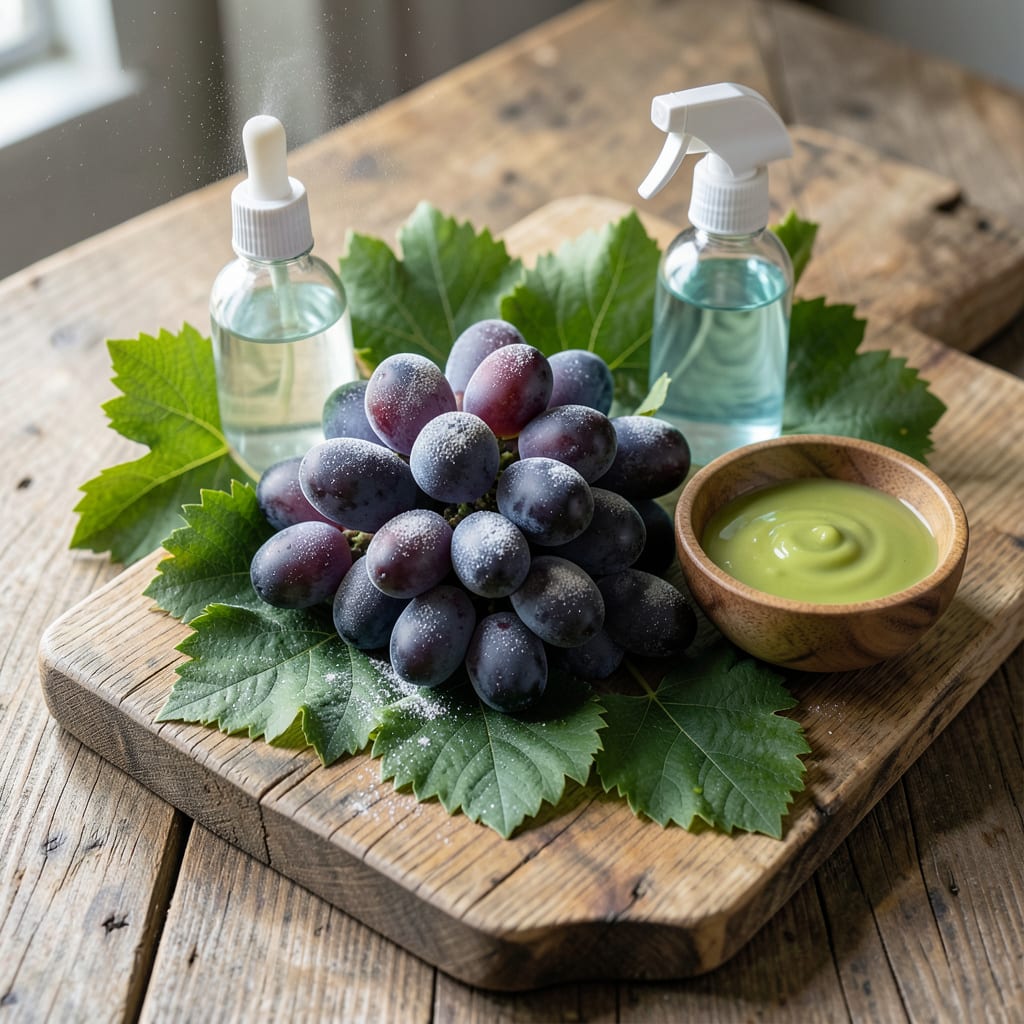
Spotted brown lesions on your grape leaves mean trouble. I’ve seen black rot wipe out entire harvests in a single season, but there are ways to fight back without reaching for harsh chemicals.
The key is catching it early. Look for dark spots with purple edges on leaves, then sunken lesions on fruit. Once you see the signs, act fast—this fungus spreads quickly in wet conditions.
You can remove infected leaves and fruit immediately. Burn them or bag them tightly—the spores will survive compost piles. Prune for better air circulation to prevent future outbreaks.
Consistent vineyard hygiene makes all the difference. Clean up fallen leaves and fruit, and you’ll break the disease cycle before it starts.
Grape black rot is a destructive fungal disease caused by Guignardia bidwellii, and its development is triggered by a combination of environmental and cultural factors. Understanding these causes helps in implementing effective, targeted prevention strategies.
The fungus thrives in warm, wet environments. Rain, overhead irrigation, or even persistent dew can create the perfect breeding ground. Spore germination and infection typically occur after 12–24 hours of continuous leaf wetness, especially when temperatures range between 75–85°F (24–29°C). This is why vineyards in humid climates or during rainy seasons are particularly vulnerable.
G. bidwellii overwinters in mummified berries, canes, and leaf litter left on the vineyard floor. These debris release spores in the spring, initiating new infections. Poor sanitation—such as failing to remove pruned canes or fallen fruit—directly contributes to the disease’s persistence and spread.
Not all grape cultivars are equally resistant. Vitis vinifera varieties like Chardonnay, Cabernet Sauvignon, and Riesling are highly susceptible, while some Vitis labrusca and hybrid varieties (e.g., Concord, Niagara) show moderate resistance. Planting susceptible varieties without preventive measures increases the risk of black rot outbreaks.
Dense canopies and tight vine spacing reduce airflow, slowing leaf drying and creating a microclimate that favors fungal growth. Improper pruning or excessive vigor can exacerbate this issue, trapping moisture and enabling spores to infect foliage and fruit more easily.
Wounds from hail, insects, or pruning cuts provide entry points for the fungus. For example, berry moths or leafhoppers can create small openings where spores land and penetrate. Even minor mechanical damage during harvesting or vine maintenance can increase infection rates.
Tackling grape black rot starts with identifying the problem and acting fast. Below are targeted solutions for each cause, paired with prevention tips to keep your vines healthy long-term.
Remove and destroy all infected plant parts immediately to prevent the fungus from spreading. Prune affected canes, leaves, and fruit, and dispose of them in sealed bags—not compost. Apply copper-based fungicides (like Bordeaux mixture) or potassium bicarbonate sprays at the first sign of infection. For organic growers, neem oil or baking soda solutions (1 tbsp per gallon of water + a drop of dish soap) can help suppress the fungus.
Prevention: Improve air circulation by thinning canes and removing weeds. Avoid overhead watering to keep foliage dry.
Reduce moisture around vines by watering at the base in the early morning, allowing foliage to dry quickly. If rain is frequent, use drip irrigation instead of sprinklers. Space rows widely to enhance airflow, and prune vines to open the canopy.
Prevention: Mulch with straw or wood chips to prevent soil splashing onto leaves, which can spread spores.
Clean up fallen leaves, mummified fruits, and old canes from the vineyard floor, as these harbor the fungus over winter. Burn or bury debris deeply. Sanitize pruning tools with a 10% bleach solution or rubbing alcohol between cuts to avoid spreading spores.
Prevention: Apply a layer of clean straw mulch after cleanup to suppress new infections.
Rotate fungicide types (e.g., alternate copper with sulfur) to prevent resistance. Plant resistant grape varieties like Concord or Niagara if black rot is a recurring issue. Monitor vines weekly during wet seasons for early signs of spots or lesions.
Under ideal conditions, spores can infect vines within 12-24 hours of leaf wetness. Without intervention, it can devastate an entire crop in 2-3 weeks during wet weather.
Infected fruit won’t recover, but removing it immediately prevents further spread. Discard in sealed bags—never compost. Healthy grapes on the same vine may still be salvageable with treatment.
Start with baking soda spray (1 tbsp/gallon + soap). For severe cases, copper fungicides or neem oil work best. Always apply in dry conditions for maximum absorption.
