
Beautiful Plants For Your Interior
Beautiful Plants For Your Interior
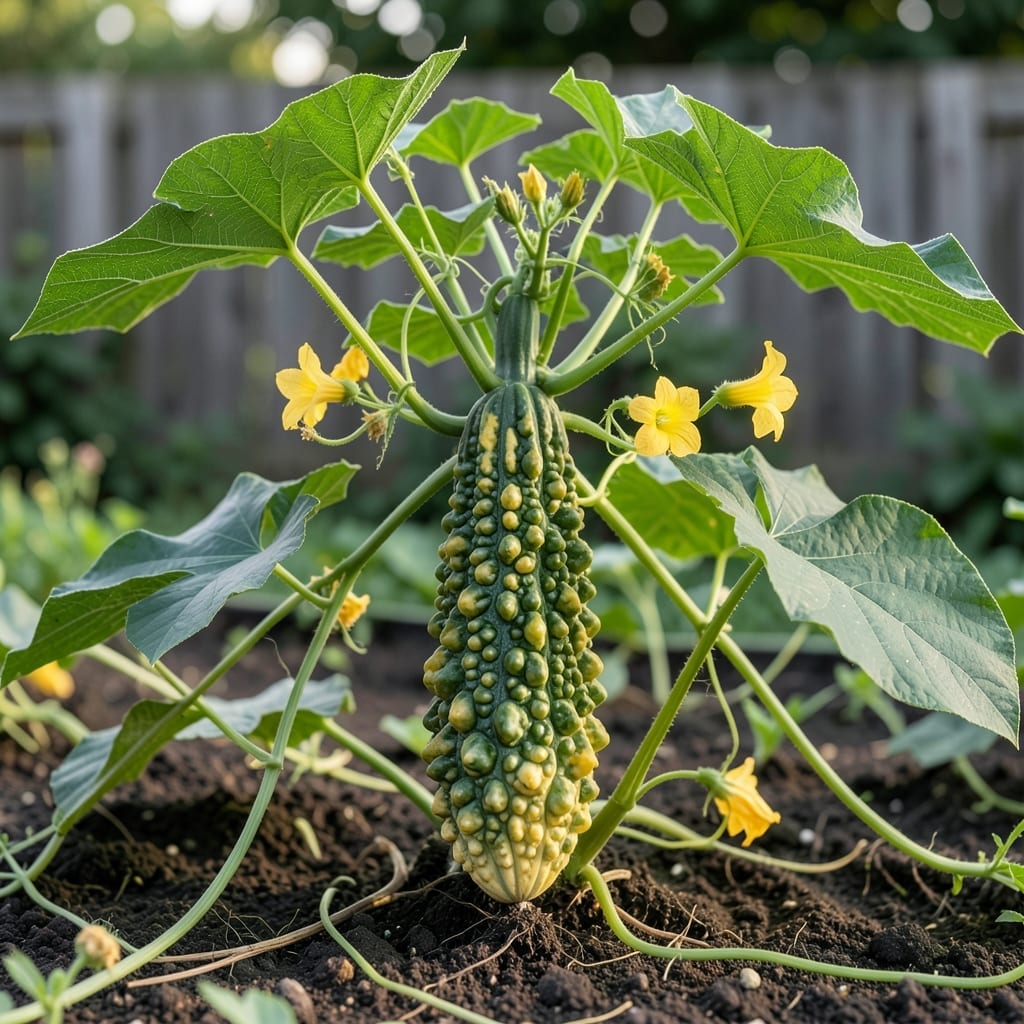
Those odd bumps on your gourds aren’t normal. I’ve seen smooth skins turn lumpy overnight, and it’s always a sign something’s off.
Usually, it’s pests like aphids or diseases like powdery mildew, but sometimes it’s just the plant reacting to uneven watering or poor soil. The good news? Most causes are fixable with early action.
You’ll spot the difference between pest damage and disease by looking closely at the texture and pattern. I’ve saved entire crops by catching it early.
Natural solutions work best here—no harsh chemicals needed. Let’s figure out what’s causing those bumps and how to stop them.
Gourds developing bumps can stem from several environmental and biological factors. Understanding these causes helps gardeners prevent the issue and grow smoother produce. Below are the primary reasons behind the bumpy texture on gourds.
Inconsistent watering is a leading cause of bumpy gourds. When the soil moisture fluctuates—too dry one day and overly wet the next—the fruit’s growth becomes erratic. Cells expand unevenly, creating lumps. To avoid this, maintain steady soil moisture by watering deeply and regularly, especially during fruit development.
Pests like aphids, squash bugs, or cucumber beetles can disrupt the gourd’s surface. Their feeding causes tiny wounds that heal into raised, bumpy scars. Inspect plants frequently and use organic pest controls like neem oil or insecticidal soap to keep infestations at bay.
Extreme temperature changes—hot days followed by cool nights—can stress the plant. This stress triggers abnormal cell division, leading to a rough, bumpy exterior. Protect gourds with row covers or mulch to stabilize soil temperature and shield them from harsh conditions.
Too much nitrogen or a lack of potassium and phosphorus can cause irregular growth. Nitrogen promotes leafy growth at the expense of fruit smoothness, while deficiencies in other nutrients disrupt cellular development. Use a balanced fertilizer and conduct soil tests to ensure optimal nutrient levels.
Some gourd varieties naturally produce bumpy or warty surfaces as part of their genetic makeup. If the bumps are consistent across all fruits and not linked to environmental factors, it may simply be a characteristic of the cultivar. Check seed descriptions to confirm if bumpiness is expected.
If your gourds are developing unsightly bumps, don’t worry—there are simple, natural ways to address the issue and restore their smooth growth. Below are targeted solutions for the most common causes, along with prevention tips to keep your harvest flawless.
Inconsistent watering is a top culprit for bumpy gourds. To fix this, water deeply 1-2 times per week rather than shallow daily sprinkles. Use a soaker hose or drip irrigation to deliver moisture directly to the roots, keeping the soil evenly moist but not soggy. Prevention tip: Mulch around plants with straw to retain moisture and reduce evaporation. 💡
Sap-sucking pests like aphids or cucumber beetles can deform gourds. Combat them with a DIY spray of 1 tsp mild soap + 1 quart water, applied to leaves in the early morning. For severe infestations, introduce beneficial insects like ladybugs. Prevention tip: Plant pest-deterring companions like marigolds or nasturtiums nearby. 🎯
Gourds need balanced nutrition, especially potassium and calcium. Amend soil with compost or a slow-release organic fertilizer at planting. If bumps appear mid-season, side-dress with crushed eggshells (for calcium) or wood ash (for potassium). Prevention tip: Test soil pH annually—gourds thrive in slightly acidic to neutral soil (6.0–7.0). ✨
Too many vines competing for resources can stress plants, leading to malformed fruit. Thin seedlings to 12–18 inches apart and trellis vines to improve airflow. Prevention tip: Rotate crops yearly to avoid depleting soil nutrients in one spot. 🌡️
With these adjustments, your gourds will grow smooth and healthy. Consistency in care is key—monitor plants weekly and act at the first sign of trouble!
Yes, they’re typically safe if the cause is environmental or variatal. Just wash them thoroughly before use. If bumps are from pest damage, check for deep wounds that might harbor bacteria.
Pest bumps are small and scattered, often with visible insect activity. Disease-related bumps may appear clustered or with discoloration. Inspect leaves and stems for additional clues.
No, once formed, bumps won’t disappear. Focus on prevention for future crops by maintaining consistent watering, balanced nutrients, and pest control.
Plant marigolds or nasturtiums nearby to deter pests naturally. These companions also improve soil health, reducing stress-related bumps.