
Beautiful Plants For Your Interior
Beautiful Plants For Your Interior
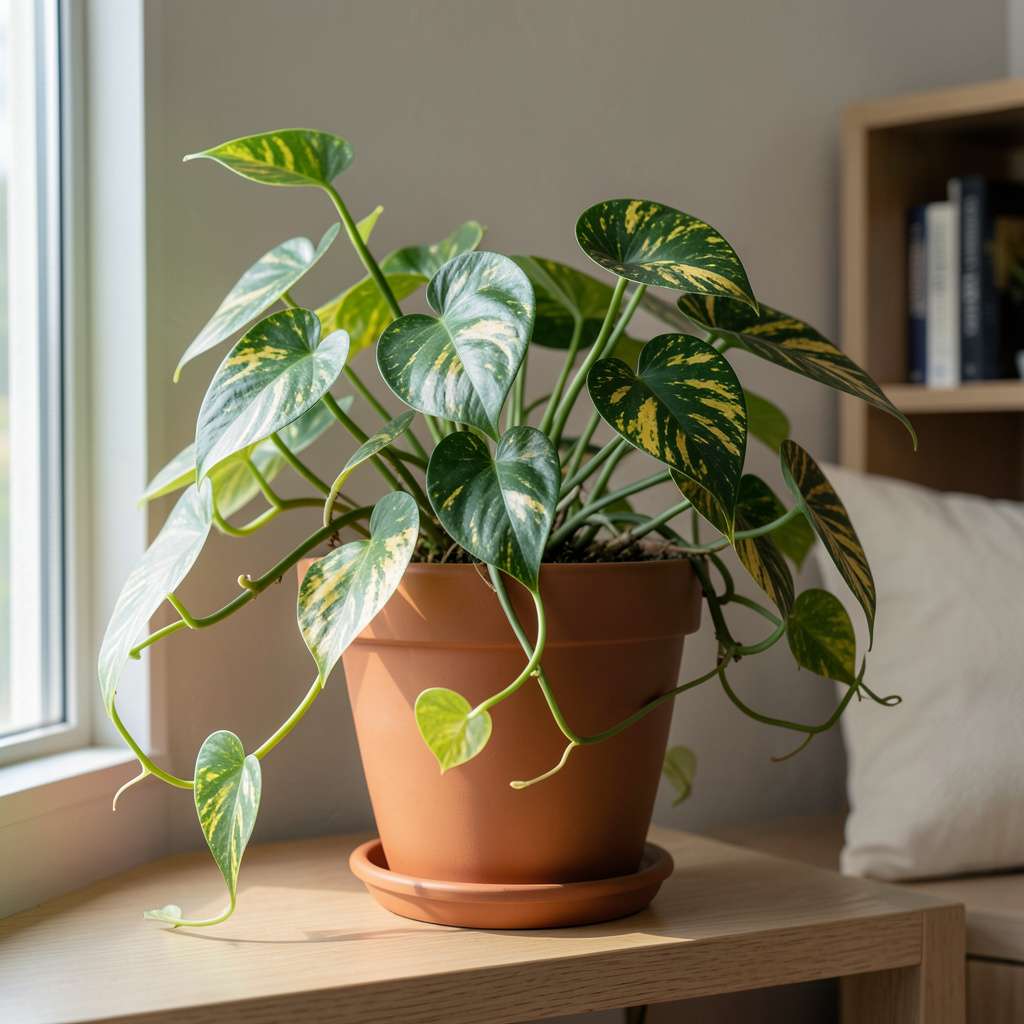
Golden pothos thrives in temperatures between 65°F and 85°F (18°C–29°C) during the day, with a minimum tolerance of 50°F (10°C) at night. Avoid sudden temperature drops or prolonged exposure below freezing, which can cause irreversible leaf damage or plant death.
I’ve found that golden pothos reacts dramatically to its environment—think of it as a tropical native that’s adapted to steady warmth. When temperatures dip below its comfort zone, the plant’s metabolic processes slow down, which is why you might notice stunted growth or yellowing leaves during cold snaps. 🌿 On the flip side, extreme heat above 90°F can stress the plant, causing leaves to curl or develop brown edges. What’s fascinating is how this resilience makes pothos perfect for indoor spaces, where temperatures tend to stay within that ideal 65°F–85°F sweet spot.
💡 In This Article
Golden pothos thrives because its tropical origins have wired it for warmth. At temperatures between 70°F–80°F, the plant’s enzymes work optimally to break down nutrients and fuel photosynthesis. This is when you’ll see the fastest growth—new leaves unfurling every few weeks and vines stretching eagerly toward light.
🌱 The warmth also keeps the plant’s vascular system active, allowing water and nutrients to flow efficiently from roots to leaves.
When temperatures drop below 55°F, the plant’s metabolism slows dramatically. The chlorophyll production in those vibrant heart-shaped leaves decreases, which is why you might notice paler or yellowing foliage in cooler conditions.
Even more critical is what happens at the cellular level: cold temperatures cause cell membranes to become less fluid, impairing their ability to transport nutrients. Prolonged exposure below 50°F can lead to irreversible damage as ice crystals form within plant tissues.
Heat stress is equally dangerous but in different ways. Above 90°F, the plant begins losing water faster than its roots can absorb it—a condition called transpiration stress. You’ll often see leaves curling inward as the plant tries to conserve moisture.
The waxy cuticle on pothos leaves, which normally helps retain water, can’t keep up with extreme heat, leading to crispy brown edges. What’s particularly interesting is how heat affects variegation: high temperatures can cause the white or yellow patterns to bleach out as the plant prioritizes survival over aesthetic patterns.
The real trouble starts with temperature fluctuations. A sudden 20°F drop overnight can shock the plant’s system, causing leaves to blacken and drop within days. This happens because the plant’s cells rupture when they can’t adjust quickly enough to the temperature change.
I’ve seen this firsthand when moving pothos from a warm indoor spot to a chilly porch—within 48 hours, the lower leaves turned mushy and black. The key is consistency: pothos prefers gradual changes of no more than 5°F per hour.
Root activity tells another important story. In ideal temperatures, pothos roots grow actively, appearing white and firm. But in cold soil (below 60°F), root growth stalls, and existing roots may turn brown and mushy—a classic sign of cold-induced root rot.
Conversely, overheated roots (above 85°F) become stressed and may develop a foul odor as beneficial microbes in the soil die off. This is why your pothos might look healthy above soil but be struggling invisibly below.
What most people don’t realize is how temperature interacts with humidity. Pothos prefers 40-60% humidity at its ideal temperatures, but this requirement changes with heat. At 85°F, the plant needs higher humidity (closer to 70%) to prevent moisture loss, while at 65°F, it tolerates drier air better.
This balance explains why pothos thrives in bathrooms—the combination of warmth and humidity mimics its natural rainforest understory habitat. ✨
The plant’s variegation patterns also serve as a temperature indicator. In cooler conditions (60-65°F), the white or yellow sections may shrink as the plant conserves energy. But in optimal warmth, these patterns become more pronounced, with some varieties developing nearly 50% variegation.
I’ve noticed my ‘Marble Queen’ pothos produces the most dramatic patterns when kept consistently between 72-78°F with bright, indirect light.
Temperatures below 50°F can cause immediate stress. You’ll notice leaves turning dark and mushy within 24-48 hours as cell walls rupture. Move the plant to a warmer spot immediately and trim damaged foliage to help recovery.
Yes, but monitor closely when temps exceed 85°F. Place it near a fan for airflow and mist leaves daily to combat heat stress. Consider a pebble tray with water to boost humidity—this mimics its tropical habitat.
Curling indicates heat stress or low humidity. The plant is conserving moisture as temperatures rise above 90°F. Relocate to a cooler spot with indirect light and increase watering frequency slightly (but avoid soggy soil).
Gradual exposure is key! Start with 2 hours in shade, increasing daily over 5-7 days. Watch for wilting or yellowing—signs it needs more time to adjust. Morning sun is safest for outdoor transitions.
Set to 68-72°F to maintain root warmth when room temps dip. Place the mat under the pot (not directly under roots) and use a thermometer to monitor soil temperature—ideal range is 65-75°F.
