
Beautiful Plants For Your Interior
Beautiful Plants For Your Interior
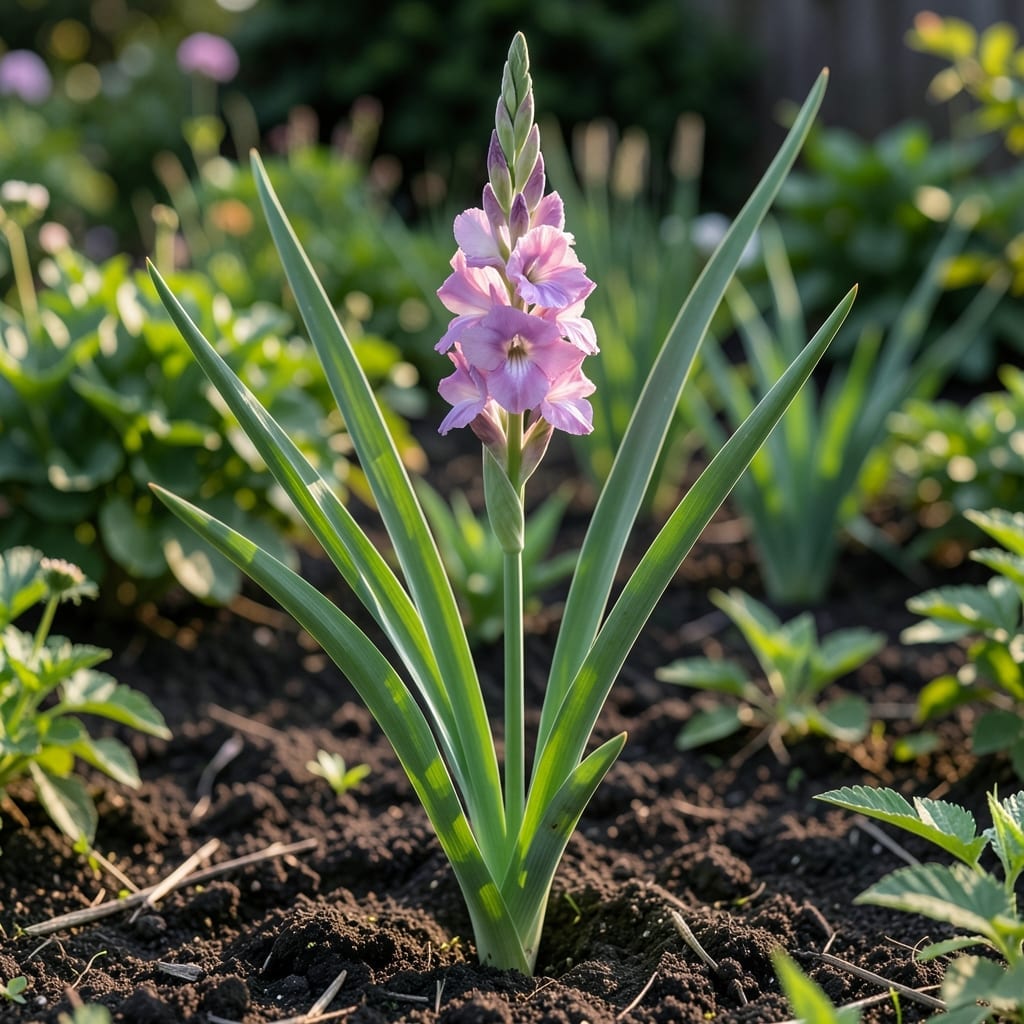
I’ll let you in on a little secret about the gladiolus 🌸: it’s not just about planting and watering. These stunning flowers have a love affair with sunlight that you can’t ignore if you want those spectacular blooms.
Getting the light conditions right is what separates a mediocre display from a show-stopping garden feature. And trust me, once you see the difference proper sun exposure makes, you’ll never look at these flowers the same way again.
Whether you’re working with a sun-drenched backyard or a partially shaded space, understanding the gladiolus relationship with light is your first step to success. It’s simpler than you might think.
Discover how to harness the power of sunlight to transform your gladiolus from ordinary to extraordinary. Your garden will thank you for it.

If you want gladiolus flowers to thrive, full sun is non-negotiable. These dramatic blooms need a minimum of 6-8 hours of direct sunlight daily to produce their signature tall spikes and vibrant colors.
Without adequate light, gladiolus plants may grow weak stems or fail to bloom entirely. I’ve seen firsthand how partial shade can lead to sparse, lackluster flowers, so prioritize a sunny spot in your garden.
| Requirement | Specification |
|---|---|
| Ideal Sun Exposure | Full Sun |
| Minimum Daily Sunlight | 6-8 hours |
| Light Type | Direct |
| Shade Tolerance | Low |
For the best results, plant your gladiolus corms in a south-facing area where they’ll receive unfiltered sunlight for most of the day. This ensures strong, sturdy stems that can support the weight of the blooms.
In regions with intense afternoon heat, a little dappled shade during the hottest part of the day won’t hurt. However, morning sun is critical for drying dew from the leaves, which helps prevent fungal diseases.
If your garden has limited sun, consider planting gladioli near a reflective surface, like a light-colored wall or fence. This can help maximize the light they receive and improve their growth.
I always remind gardeners that light intensity affects not just bloom quantity but also flower size and color vibrancy. The more sun your gladioli get, the more spectacular their summer displays will be.
For those in cooler climates, ensure your gladioli are planted in the sunniest spot available. They’ll reward you with taller spikes and more abundant flowers when their light needs are met.
Don’t forget that container-grown gladioli have the same sun requirements. Place pots in a location where they’ll get full sun exposure for at least six hours a day.
With the right sunlight, your gladiolus plants will thrive, producing stunning blooms that are the envy of the neighborhood ☀️
Even with the best intentions, gladiolus plants can struggle if they’re not getting enough light. The first sign I notice is weak, spindly stems that can’t support the weight of the blooms, often bending or flopping over.
Another red flag is sparse or small flowers. If your gladioli produce fewer blooms than expected, or the flowers are pale and undersized, insufficient sunlight is likely the culprit. These plants need that energy to fuel their dramatic displays.
⚠️ Warning: Low Sunlight Alert
Weak stems, pale foliage, and sparse blooms are clear signs your gladiolus needs more sun. Move to a sunnier spot or trim nearby shade sources.
Pale or yellowing foliage is another symptom. Gladiolus leaves should be a vibrant green when healthy. If they start looking washed out, it’s a sign the plant isn’t photosynthesizing enough to sustain itself.
In my experience, delayed blooming is also common in shaded areas. If your gladioli take much longer to flower than the typical 60-90 days, check their light exposure. They may need a sunnier location to reach their full potential.
For container-grown gladioli, leggy growth—where stems stretch abnormally tall and thin—is a classic sign of insufficient light. Move pots to a spot with full sun exposure to correct this issue.
If you notice these signs, don’t worry—there’s still time to fix it. Relocate your plants to a sunnier area, or trim back nearby trees or shrubs casting shade. With the right adjustments, your gladioli will bounce back and reward you with stunning, vibrant blooms 🌻