
Beautiful Plants For Your Interior
Beautiful Plants For Your Interior
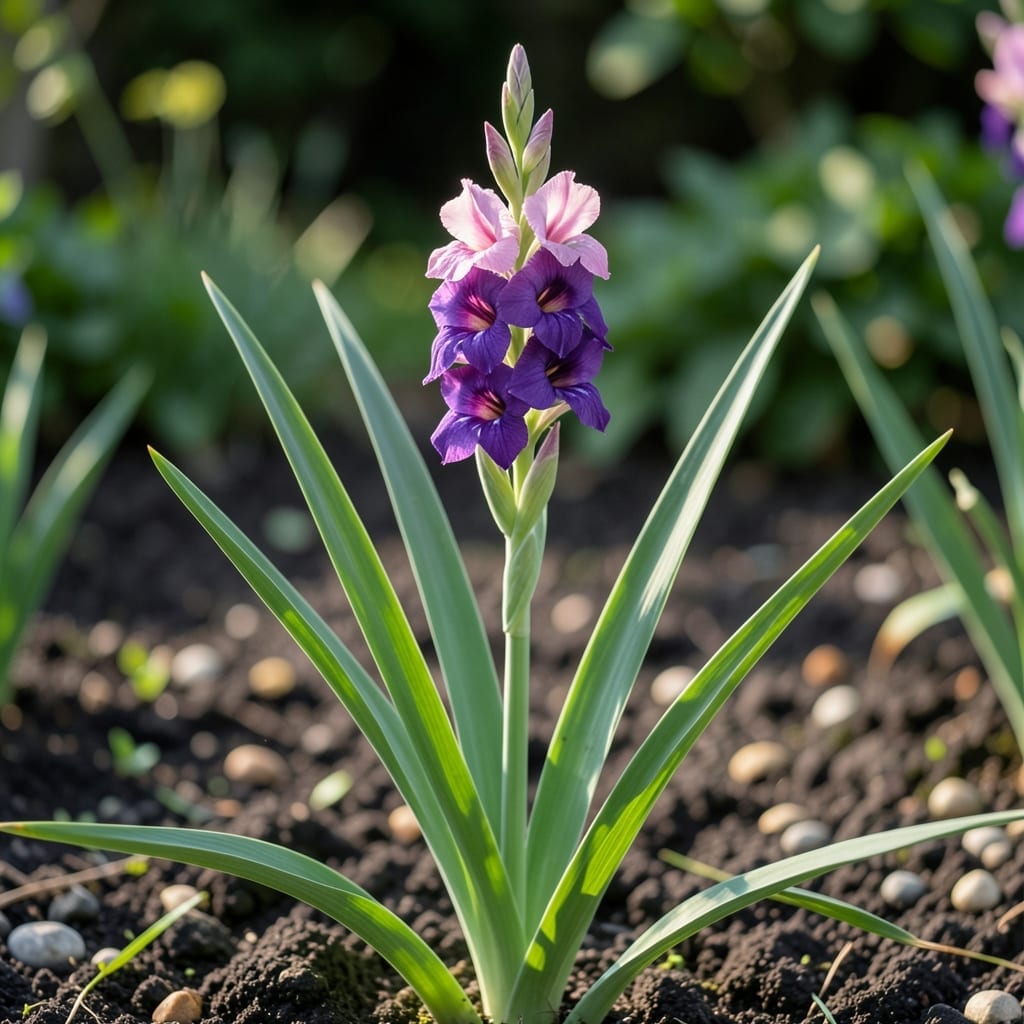
There’s nothing quite like watching 🌸 Gladiolus burst into vibrant color, transforming your garden into a living painting. Yet their natural bloom window can leave you wanting more.
I’ve found that with the right approach, those stunning flowers can grace your space far longer than nature intended. The key lies in understanding their natural rhythm and working with it.
From March to April planting through September harvests, these beauties have a story to tell. Discover how to coax out their full potential and extend that glorious display.
Whether you’re a seasoned gardener or just starting out, these insights will help you make the most of your Gladiolus blooms. Let’s dive into the secrets of a longer, more vibrant flowering season.
I love how gladiolus flowers transform a garden with their tall, elegant spikes and vibrant colors. But their natural blooming period is often shorter than we’d like, typically lasting 7-10 days per spike in ideal conditions.
The flowering period for gladiolus usually occurs in mid to late summer, about 60-90 days after planting the corms. This timing can vary based on climate, soil conditions, and the specific variety you’ve chosen.
| Stage | Timing | Key Notes |
|---|---|---|
| Planting | Spring (after frost) | Corms 4-6 inches deep |
| Sprouting | 2-3 weeks | Sword-like leaves appear |
| Flowering | 60-90 days | 7-10 days per spike |
| Dormancy | Fall | Dig corms in cold climates |
In my experience, early varieties like ‘Atom’ or ‘Traderhorn’ may bloom as early as late June, while late varieties such as ‘Her Majesty’ can flower into early September. The flowering sequence is fascinating—each spike opens a few florets at a time, starting from the bottom.
Environmental factors play a huge role. Full sun exposure (at least 6-8 hours daily) is critical for robust blooming. In shadier spots, you might notice weaker stems and fewer flowers, which can shorten the display.
Soil quality and drainage also impact the gladiolus flowering period. These plants thrive in well-draining, loamy soil with a pH of 6.0-7.0. If your soil is too heavy or waterlogged, the corms may rot, cutting the blooming period short.
Temperature is another key factor. Gladiolus prefer warm days (around 70-80°F) and cool nights (around 50-60°F). In hotter climates, the flowers may open and fade more quickly, while in cooler areas, the blooming period can stretch out a bit longer.
I’ve found that consistent moisture is essential during the growing season. Aim for 1 inch of water per week, either from rainfall or irrigation. Too little water can stress the plants, while overwatering can lead to disease and reduced flowering.
Finally, deadheading spent blooms can help redirect the plant’s energy into producing more flowers. However, don’t remove the entire spike until all the florets have finished blooming—this can encourage the plant to focus on corm development for next year’s display. ☀️
By understanding these natural patterns and environmental influences, you can better predict and maximize your gladiolus flowering period. With the right care, you might even coax a second, smaller bloom from some varieties later in the season. 🌷
I love how gladiolus flowers transform a garden with their tall, colorful spikes. But their natural blooming period is just 2-3 weeks per stem. With a few smart strategies, you can enjoy continuous blooms for months. Staggered planting is my top trick. 🌷
By planting corms every 2 weeks from early spring to summer, you create a rolling bloom cycle. This way, as one group fades, another is ready to burst into color. It’s like having a flowering conveyor belt in your garden.
Another game-changer is deadheading. As soon as a flower spike starts to fade, I snip it off. This prevents the plant from wasting energy on seed production and encourages new growth. Always use clean, sharp shears to avoid damaging the stem. ✂️
Proper feeding makes a huge difference too. I use a high-phosphorus fertilizer like 5-10-10 every 4-6 weeks. Phosphorus promotes flower development, giving you bigger, longer-lasting blooms. Apply in the early morning for best absorption.
Sunlight is non-negotiable for gladiolus. These plants thrive in full sun, meaning at least 6 hours of direct light daily. If your garden has shady spots, consider container planting so you can move pots to sunnier areas as needed. ☀️
Finally, consistent watering keeps the show going. Aim for about 1 inch of water per week, delivered at the base of the plant to prevent fungal issues. A drip irrigation system works wonders, but a careful hand with the hose works too. Water in the morning to let foliage dry before evening.