
Beautiful Plants For Your Interior
Beautiful Plants For Your Interior
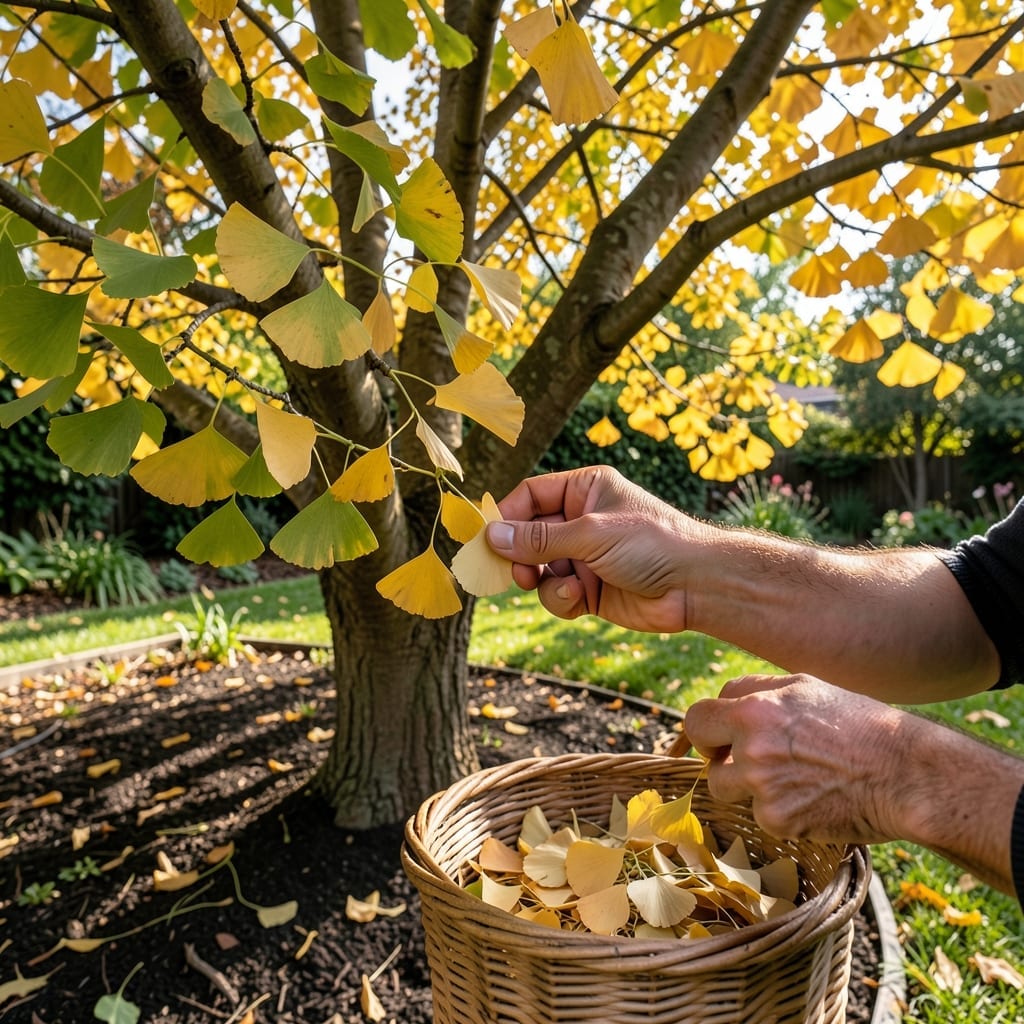
Ginkgo biloba leaves are technically edible but should be consumed with extreme caution due to toxins like ginkgotoxin. Raw leaves are unsafe, while properly processed ones may be used in traditional dishes in small amounts.
I always emphasize caution because these leaves contain compounds that can trigger serious neurological issues if not prepared correctly. Traditional East Asian cuisine sometimes incorporates them after thorough processing to reduce toxicity, but even then, portions stay minimal. This isn’t a food to experiment with casually. ✨
💡 In This Article
The danger in raw ginkgo biloba leaves comes from ginkgotoxin (4′-O-methylpyridoxine), a neurotoxin that disrupts vitamin B6 metabolism. This compound binds to the active sites of enzymes critical for neurotransmitter synthesis, potentially causing seizures in severe cases. 🔥
Even small amounts—10-20 raw leaves—can trigger symptoms like vomiting, dizziness, or muscle weakness. The toxin concentration varies by season, with spring leaves containing up to 5x more ginkgotoxin than autumn-harvested ones. Drying reduces but doesn’t eliminate the risk.
Processing methods like repeated boiling in water can lower toxin levels by 60-80%, which is why some traditional dishes use them. However, this reduction isn’t absolute. The remaining 20-40% of toxin may still pose risks, especially for children or those with sensitivities. ✨
Historical cases in Japan and China show that even processed leaves caused poisoning when consumed in large quantities. The threshold for toxicity is surprisingly low—some individuals react to as little as 1-2 mg of pure ginkgotoxin, equivalent to a few improperly prepared leaves.
What makes this particularly tricky is that cooking doesn’t neutralize all compounds. Ginkgolides and bilobalides, while beneficial in supplements, may interact unpredictably with the toxin. This is why most health authorities advise against any culinary use without professional guidance. 💫
Consuming raw leaves can cause severe reactions like vomiting, dizziness, or even seizures due to ginkgotoxin. Even 10-20 leaves may trigger poisoning, with spring leaves being especially dangerous.
In Japan, leaves are boiled for 2-3 hours with multiple water changes to reduce toxins by up to 80%. They’re used sparingly in dishes like chawanmushi, with servings limited to 1-2 leaves per person.
I strongly advise against home preparation. The margin for error is too small, and proper processing requires precise temperature control. Commercial suppliers use specialized methods to certify safety.
Pregnant women, children, and those with sensitivities should never consume them. Even processed leaves carry risks, and the bitter flavor makes them unappealing as a primary ingredient.