
Beautiful Plants For Your Interior
Beautiful Plants For Your Interior
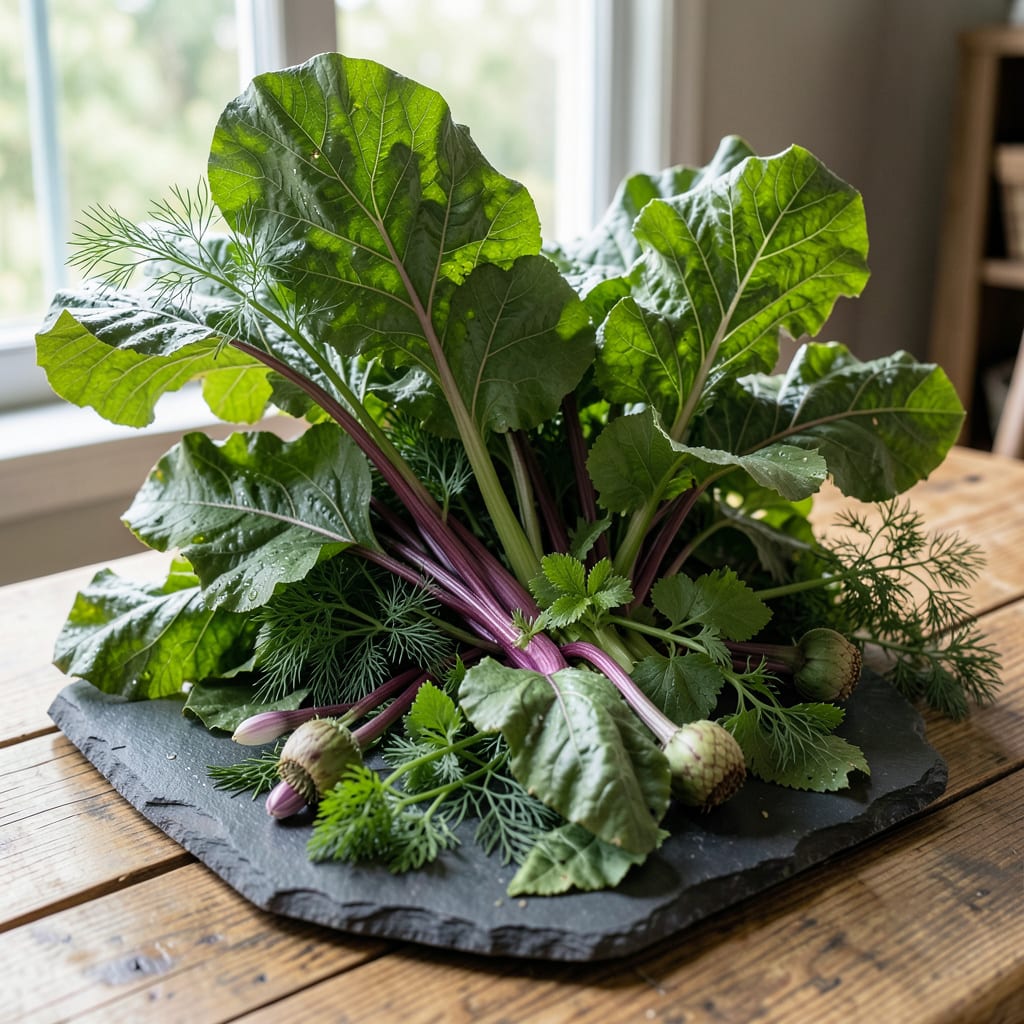
These oversized invaders can take over a garden overnight. I’ve battled my share of leafy giants, and the key is catching them early before they steal sunlight and nutrients from your plants.
The worst part? They often signal deeper issues like poor soil or inconsistent care. Once you spot those massive leaves, you’ve got 24-48 hours to act before they spread roots deep enough to make removal a nightmare.
Pulling them works for small patches, but for bigger infestations, you’ll need a smarter approach. The right tools and timing can save you hours of backbreaking work.
Prevention starts with vigilance—check your beds weekly and mulch aggressively. A little effort now stops a full-blown invasion later.
Giant weeds with broad leaves often thrive due to a mix of environmental and human factors. Here’s why they grow so large:
High levels of nitrogen, phosphorus, and potassium—common in over-fertilized gardens—fuel rapid weed growth. These nutrients act like a buffet, allowing weeds to outcompete desired plants. Action: Test soil annually and adjust fertilizer use to avoid overfeeding.
Consistent moisture, especially in poorly drained areas, creates ideal conditions for weeds like pigweed or lambsquarters. Their deep roots absorb water efficiently, leading to oversized foliage. Action: Improve drainage with organic matter or mulch to moderate soil moisture.
Bare soil or sparse plantings give weeds uninterrupted sunlight and space. Without competition from grasses or ground covers, they grow unchecked. Action: Use dense planting or mulch to block sunlight and suppress weed seed germination.
Tilling or digging brings buried weed seeds to the surface, where light and oxygen trigger growth. Some species, like ragweed, thrive in disturbed areas. Action: Minimize soil disruption and use no-till gardening methods where possible.
Getting rid of overgrown weeds with broad leaves doesn’t have to be a losing battle. Start with the right approach based on the cause, and you’ll reclaim your yard in no time. Here’s how to fix the most common issues—and keep them from coming back.
Fix: Pull weeds by hand or use a garden fork to remove roots entirely. For stubborn patches, smother them with thick cardboard or landscape fabric, then top with mulch. This blocks sunlight and starves weeds.
Prevent: Apply a 2–3 inch layer of organic mulch (like wood chips) annually. This suppresses new growth and retains soil moisture. 💡 Pro tip: Reapply mulch in early spring before weeds sprout.
Fix: Improve soil health with compost or organic matter to outcompete weeds. For existing invaders, use a hoe to cut them down at the base, then cover the area with a tarp for a few weeks to solarize the soil.
Prevent: Plant dense ground covers or competitive plants (like clover) to fill empty spaces. Healthy soil with good drainage discourages weed seeds from germinating.
Fix: Mow high (3–4 inches) to shade out weed seedlings. For large leafy weeds like dandelions, spot-treat with vinegar (1 gallon vinegar + 1 cup salt + 1 tbsp dish soap) on a sunny day. Reapply as needed.
Prevent: Overseed bare spots in fall or spring to crowd out weeds. Aerate compacted soil to improve grass health and reduce weed-friendly gaps. ✨ Bonus: Use corn gluten meal as a natural pre-emergent to stop seeds from sprouting.
Fix: Reduce watering frequency and improve drainage. Pull weeds after rain when soil is soft, making roots easier to remove. Avoid wetting weed foliage to prevent spreading.
Prevent: Water deeply but infrequently (1–1.5 inches per week) to encourage deep root growth in desired plants. Install drip irrigation to target water at plant bases, not weeds.
Look for broad, flat leaves often growing in clusters. Common types include pigweed, lambsquarters, and ragweed. Check for thick stems and rapid growth patterns, which distinguish them from regular plants.
They thrive in disturbed soil with excess nutrients. If you don’t remove the roots completely, they regrow quickly. Mulching and dense planting help prevent their return by blocking sunlight.
Yes, but only if you remove the entire root system. For large patches, use a garden fork to dig deep. For stubborn weeds, smothering with cardboard and mulch works better than pulling alone.
A vinegar solution (1 gallon vinegar + 1 cup salt + 1 tablespoon dish soap) works well on sunny days. Reapply as needed. Corn gluten meal also prevents new weeds from sprouting naturally.
