
Beautiful Plants For Your Interior
Beautiful Plants For Your Interior
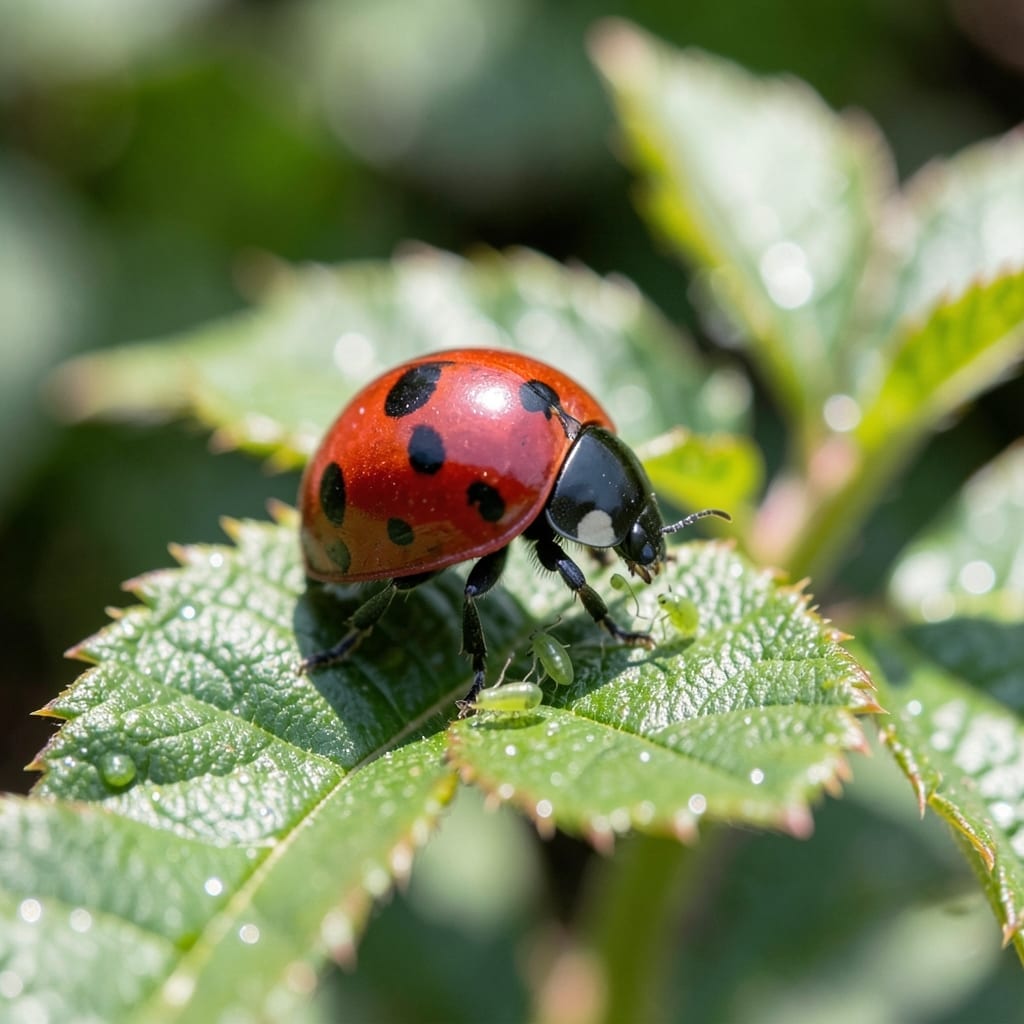
Those tiny green pests on your roses aren’t just annoying—they’re stealing your plants’ life. I’ve lost count of how many buds I’ve watched wither from aphid damage before finding a solution that actually works.
Neem oil changed everything for me. It’s a natural treatment that stops aphids in their tracks without harming the roses you’ve nurtured. The key is applying it at the right time and in the right way.
Within 24 hours, you’ll see the difference. The aphids disappear, and your roses start recovering. No harsh chemicals, no waiting weeks for results—just consistent, reliable control.
Works for all rose varieties, from climbers to shrubs. Here’s how to use it effectively.
Aphids thrive on roses for specific biological and environmental reasons. Understanding these causes helps you prevent future outbreaks.
Excess nitrogen in soil promotes soft, succulent growth in roses—aphids’ favorite food. These pests are drawn to tender new shoots and leaves, which are easier to pierce and sap-drain. Reduce high-nitrogen fertilizers, especially in early spring, to avoid creating an aphid buffet.
Overhead watering leaves moisture on foliage, creating a humid environment that aphids love. Additionally, drought-stressed roses emit chemical signals that attract aphids seeking weak plants. Water at the base in the morning to allow foliage to dry quickly.
Ladybugs, lacewings, and parasitic wasps naturally control aphid populations. If your garden lacks biodiversity or uses broad-spectrum pesticides, these beneficial insects disappear—giving aphids free rein. Plant companion flowers like dill, fennel, or yarrow to attract predator insects.
Aphids reproduce rapidly in temperatures between 65–80°F (18–27°C) with low humidity. These conditions speed up their life cycle, leading to explosive population growth. Monitor weather forecasts and inspect roses more frequently during these periods.
Tackling aphids on your roses doesn’t have to be a battle. Here’s how to address the issue based on the root cause, along with prevention tips to keep your garden thriving.
Fix: Thin out dense foliage to improve air circulation. Prune affected stems and remove heavily infested leaves to reduce aphid hiding spots. Space roses at least 3 feet apart to prevent future crowding.
Prevention: Regularly prune your roses to maintain good airflow and reduce humidity, which aphids love. 💡 Pro tip: Plant companion herbs like basil or chives nearby—they repel aphids naturally!
Fix: Water roses at the base early in the morning to allow foliage to dry quickly. Avoid overhead watering, which creates a damp environment aphids adore. If using sprinklers, switch to drip irrigation.
Prevention: Mulch around the base to retain soil moisture without wetting the leaves. Ensure your soil has good drainage to prevent waterlogging.
Fix: Introduce beneficial insects like ladybugs, lacewings, or parasitic wasps to your garden. These natural predators feed on aphids and keep their populations in check.
Prevention: Avoid broad-spectrum pesticides that kill helpful insects. Instead, use targeted treatments like neem oil spray to protect your roses without harming beneficial bugs.
Fix: Strengthen your roses with a balanced fertilizer to boost their resistance. Remove weak or diseased growth to redirect energy to healthier parts of the plant.
Prevention: Maintain a consistent care routine: water deeply but infrequently, fertilize in early spring, and monitor for signs of stress. Healthy roses are less likely to attract aphids!
By addressing the cause and applying these practical fixes, you’ll keep your roses vibrant and aphid-free. ✨ Consistency is key!
Apply neem oil every 7-10 days for active infestations, or every 2-3 weeks for prevention. Always spray in the evening to avoid harming bees and other pollinators.
Yes, a mild solution of 1 tablespoon dish soap per 1 quart of water can smother aphids. Spray directly on pests, but avoid using in full sun to prevent leaf burn.
They often return due to nearby ant colonies protecting them or untreated hiding spots. Check undersides of leaves and new growth weekly. Remove ants and reapply treatment as needed.
Neem oil is safe for all roses, including climbers and shrubs. Test on a small area first if your roses are young or sensitive. Always follow label instructions.