
Beautiful Plants For Your Interior
Beautiful Plants For Your Interior
Nothing tests a gardener’s patience like watching chili plants grow tall and leafy—with zero flowers in sight. I’ve stood in my garden staring at stubborn green stems for weeks, wondering why my plants refused to bloom. The solution isn’t complicated, but it requires understanding what triggers chili plants to shift from growing leaves to producing […]
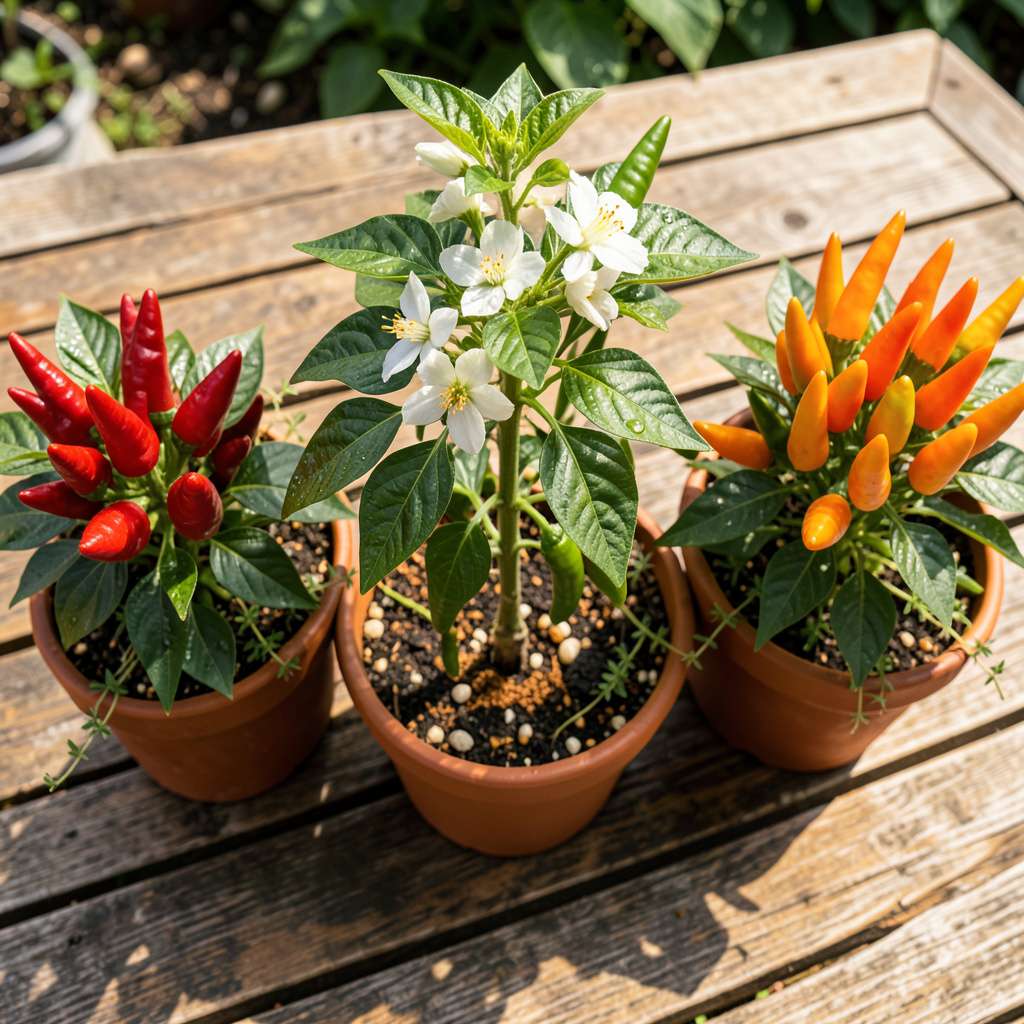
Nothing tests a gardener’s patience like watching chili plants grow tall and leafy—with zero flowers in sight. I’ve stood in my garden staring at stubborn green stems for weeks, wondering why my plants refused to bloom. The solution isn’t complicated, but it requires understanding what triggers chili plants to shift from growing leaves to producing those precious white blossoms.
After years of trial and error (and more than a few disappointing harvests), I learned that chilis need three things to flower: consistent warmth, the right balance of nutrients, and a little stress. Too much nitrogen keeps them in leaf-mode forever, while the wrong light conditions makes them lazy. The good news? With a few simple adjustments, you can push even the most reluctant plants into bloom within 2-3 weeks.
You’ll know it’s working when you spot the first tiny buds forming at the leaf joints. Those buds swell quickly into delicate white flowers—your ticket to peppers. The transformation happens fast once conditions are right, and suddenly you’ll have more blossoms than you know what to do with. That’s when the real fun begins, as flowers turn into fruit right before your eyes.
This works for all chili varieties, from mild poblanos to fiery habaneros. Whether you’re growing in containers or garden beds, the principles stay the same. Let’s get those plants flowering!
📚 In This Guide
Here’s my proven approach to coaxing stubborn chili plants into bursting with blooms—no fancy equipment required.
Chili plants need 8-12 hours of direct sunlight daily to trigger flowering. If growing indoors, move your plants to the sunniest south-facing window or supplement with a full-spectrum grow light positioned 6-12 inches above the foliage. I’ve found that plants receiving only morning sun often produce sparse blooms.
Watch for signs of insufficient light: pale leaves, elongated stems, or plants leaning dramatically toward the window. These indicate your plant is stretching for more light. Rotate pots quarter-turn weekly to ensure even exposure. You’ll see darker green, sturdier growth within two weeks of proper lighting.
Switch to a low-nitrogen, high-phosphorus fertilizer (like 5-10-5) when plants reach 8-10 inches tall. Too much nitrogen produces lush foliage at the expense of flowers. I use a liquid fertilizer diluted to half strength every 10-14 days during active growth. Always water plants thoroughly before fertilizing to prevent root burn.
You’ll know the fertilizer is working when you see flower buds forming at leaf nodes—tiny green bumps that will develop into blossoms. If leaves yellow after fertilizing, flush the soil with water immediately. This usually indicates nutrient buildup or salt accumulation in the root zone.
Allow the top 1-2 inches of soil to dry between waterings, then saturate until water runs from the drainage holes. Chili plants flower best under slight stress, so avoid keeping soil constantly moist. I check soil moisture by inserting my finger—if it comes out clean, it’s time to water. Drooping leaves in late afternoon often signal thirst, but they should perk up by morning.
Use room-temperature water to avoid shocking the roots. Cold water can cause blossom drop before flowers even open. If your tap water is heavily chlorinated, let it sit uncovered for 24 hours before using to allow chlorine to dissipate. You’ll notice more vibrant flowers and less leaf drop with this simple adjustment.
Maintain daytime temperatures between 70-85°F and nighttime temps above 60°F. Chili plants exposed to temperatures below 50°F often drop buds before they open. I use a simple indoor thermometer to monitor conditions near my plants. A 10°F drop at night actually encourages flowering in many varieties.
Aim for 40-60% humidity—too dry and buds may fail to form; too humid and flowers can rot. If your air is dry, place plants on a pebble tray with water (don’t let pots sit in water). You’ll see the first flowers appear at the top of the plant, working downward. This is normal—don’t be concerned if lower branches flower later.
Once plants reach 12-18 inches tall, pinch off the growing tips to encourage bushier growth and more flowering sites. Use clean scissors to remove the top 1-2 inches of the main stem. This forces the plant to branch out, creating more locations for flowers to form. I always make cuts just above a leaf node where new growth will emerge.
Remove any early flowers that appear before the plant reaches 10 inches tall. This seems counterintuitive, but letting the plant focus on vegetative growth first results in many more flowers later. You’ll be rewarded with a plant that produces 3-4 times more blooms over the season than one allowed to flower prematurely.
After years of trial and error with stubborn chili plants, I’ve discovered these game-changing insights that make all the difference in flower production.
Light Optimization: The 8-12 hours of direct sunlight mentioned in Step 1 isn’t just a suggestion—it’s critical. I learned this the hard way when my indoor plants only received 6 hours of morning light and produced zero flowers. If using grow lights, position them exactly 6-12 inches above the plants and keep them on for the full 12-hour cycle. You’ll notice thicker stems and darker leaves within days when light conditions are ideal.
Fertilizer Timing: Don’t rush the switch to high-phosphorus fertilizer in Step 2. I once fertilized plants that were only 6 inches tall, thinking they’d flower faster, but they just grew more leaves. Wait until your plants reach the full 8-10 inches before making the switch. The 10-14 day feeding schedule works perfectly—stick to it even if you don’t see immediate results.
Pruning Technique: When pruning in Step 5, always use clean, sharp scissors to remove exactly 1-2 inches from the top. I used to pinch with my fingers until I realized this often damaged the stem tissue. Make your cut just above a leaf node where new branches will form. This precise technique results in bushier plants with 3-4 times more flowering sites than unpruned plants.
Temperature Consistency: The 70-85°F daytime range in Step 4 is non-negotiable for flower development. I keep a simple thermometer near my plants and adjust their location if temperatures creep outside this range. Even a few hours above 85°F can cause bud drop, while anything below 60°F at night stalls flower production completely.
Most chili plants begin flowering 6–12 weeks after germination, depending on the variety and growing conditions. Faster-maturing types (like Jalapeños) may bloom in 2 months, while hotter peppers (like Habaneros) can take 3–4 months. Ensure warm temps (70–85°F), full sun, and consistent watering to speed up the process!
Common culprits include over-fertilizing with nitrogen (promotes leaves, not flowers), insufficient sunlight (6+ hours daily is a must), or cool temperatures (below 60°F). Switch to a phosphorus-rich fertilizer (like 5-10-5) and prune excess foliage to redirect energy to blooms.
Yes! Try these tricks:
Avoid overdoing it—balance is key!
Chili plants thrive in late spring to early summer (when nights stay above 55°F). In warmer climates (Zones 9–11), they can flower year-round. For cooler regions, start seeds indoors 8–10 weeks before the last frost or use row covers to extend the season.
Most chili plants self-pollinate easily—gentle wind or bees usually do the job! If growing indoors or in still air, lightly shake the plant or use a small paintbrush to transfer pollen between flowers. No fancy tools needed—just a little help if nature’s slacking.
Getting your chili plants to flower is all about patience, proper care, and a little know-how. By nailing the right mix of sunlight, water, nutrients, and stress techniques, you’ll soon see those vibrant blooms—and eventually, a fiery harvest! 🌶️
Don’t get discouraged if it takes time; every plant has its own pace. Ready to take the next step? Start tracking your plant’s progress with a simple journal or app to tweak your approach as needed. Happy growing—your spicy reward is on the way!
